George Enescu
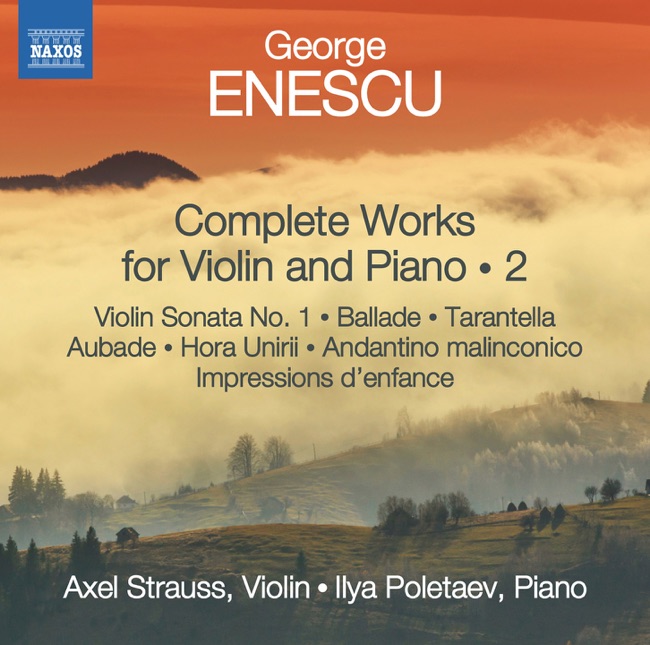
Impressions d'enfance in D major, Op. 28
Released Album
Recent Album





Featured Album
Works Info
Composer:George EnescuGenre:ChamberStyle:Chamber MusicCompose Date:Apr 10, 1940Publication Date:1952First Performance:Feb 22, 1942Average_duration:23:22Movement_count:10Movement ...."Impressions d'enfance" in D major, Op. 28 is a suite of ten pieces for piano composed by the Romanian composer George Enescu. The work was composed in 1940 and premiered in the same year in Bucharest, Romania. The suite is divided into ten movements, each of which is a musical depiction of a childhood memory or impression. The movements are titled as follows: "L'oiseau dans la cage et le coucou au mur" (The bird in the cage and the cuckoo on the wall), "La toupie" (The spinning top), "Les bulles de savon" (Soap bubbles), "Les cloches" (The bells), "Le vîlnic" (The shepherd), "La chanson de la poupée" (The doll's song), "La course à l'abîme" (The race to the abyss), "Le moulin à vent" (The windmill), "Le carillon nocturne" (The nocturnal chime), and "Le réveil de l'oiseau" (The bird's awakening). The suite is characterized by its use of folk melodies and rhythms, as well as its impressionistic harmonies and textures. Enescu's use of modal scales and irregular meters gives the music a distinctly Romanian flavor, while his use of chromaticism and dissonance creates a sense of tension and unease. The first movement, "L'oiseau dans la cage et le coucou au mur," is a playful and lighthearted piece that depicts the sounds of a bird in a cage and a cuckoo clock. The second movement, "La toupie," is a fast and frenetic piece that imitates the spinning of a top. The third movement, "Les bulles de savon," is a delicate and ethereal piece that evokes the shimmering colors of soap bubbles. The fourth movement, "Les cloches," is a somber and mournful piece that depicts the tolling of church bells. The fifth movement, "Le vîlnic," is a lively and rustic piece that imitates the sounds of a shepherd's flute. The sixth movement, "La chanson de la poupée," is a tender and nostalgic piece that evokes the music of a music box. The seventh movement, "La course à l'abîme," is a dramatic and intense piece that depicts a race to the abyss. The eighth movement, "Le moulin à vent," is a lively and rhythmic piece that imitates the sounds of a windmill. The ninth movement, "Le carillon nocturne," is a haunting and mysterious piece that evokes the sound of a nocturnal chime. The final movement, "Le réveil de l'oiseau," is a joyful and exuberant piece that depicts the awakening of a bird. The suite as a whole is a charming and evocative work that captures the innocence and wonder of childhood.More....
Works Music
Released Music

5

Childhood Impressions in D major, Op. 28
Ruisselet au fond du jardin (The Brook at the Bottom of the Garden)
2:22
6
3:59


Featured Music