Arnold Schoenberg
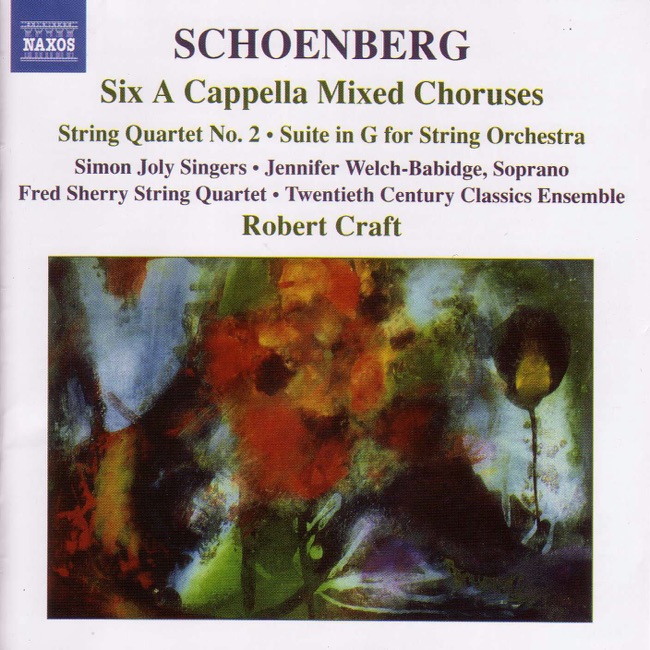
Suite for string orchestra in G major
Released Album
Recent Album


Works Info
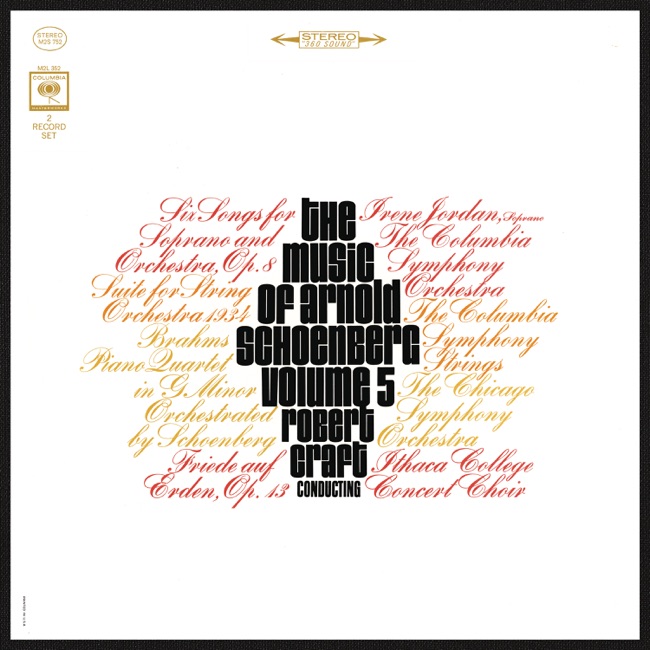
Composer:Arnold SchoenbergGenre:OrchestralStyle:SuiteCompose Date:1934Average_duration:29:28Movement_count:5Movement ....Arnold Schoenberg's Suite for String Orchestra in G major, Op. 6, was composed in 1909 and premiered in Vienna on March 23, 1911. The suite consists of five movements: 1. Prelude: This movement is marked "moderato" and begins with a slow, mournful melody in the violins. The music gradually builds in intensity, with the lower strings joining in and the tempo increasing. The movement ends with a return to the opening melody. 2. Gavotte: This movement is marked "allegretto" and is in the form of a traditional gavotte dance. The melody is light and playful, with a contrasting trio section in the middle. 3. Musette: This movement is marked "poco più mosso" and is based on a French folk dance called a musette. The melody is simple and repetitive, with a drone-like accompaniment in the lower strings. 4. Intermezzo: This movement is marked "andante grazioso" and is a lyrical, flowing piece. The melody is passed between the different sections of the orchestra, with the violins and cellos taking turns playing the main theme. 5. Gigue: This movement is marked "presto" and is a lively, energetic dance. The melody is based on a traditional English jig, with a driving rhythm and frequent changes in tempo. The Suite for String Orchestra in G major is characterized by Schoenberg's use of tonality and traditional forms, which he would later abandon in his atonal and serial works. However, the suite also shows Schoenberg's interest in experimenting with harmony and texture, particularly in the Musette movement, which features a dissonant chord progression and unusual instrumental combinations. Overall, the Suite for String Orchestra in G major is a charming and accessible work that showcases Schoenberg's early style.More....
Works Music
Released Music
1
6:52
2
6:20
3

7:58
4
6:2


7
6:4