


Carl Philipp Emanuel Bach
Sonata a due tastature in D minor, H. 53, Wq. 69
Released Album
Recent Album

Featured Album
Works Info
Composer:Carl Philipp Emanuel BachGenre:KeyboardCompose Date:1747Publication Date:1985Average_duration:17:00Movement_count:3Movement ....Carl Philipp Emanuel Bach's 'Sonata a due tastature in D minor, H. 53, Wq. 69' is a significant work in the repertoire of keyboard music. It was composed in 1744 and premiered in the same year. The sonata is written for two keyboards, which was a relatively uncommon format at the time. The work is divided into three movements: Allegro, Adagio, and Allegro. The first movement, Allegro, is in sonata form and begins with a dramatic and intense theme. The two keyboards engage in a lively dialogue, with each instrument taking turns playing the main theme. The development section is particularly noteworthy, as it features a series of unexpected harmonic shifts and sudden changes in dynamics. The movement concludes with a recapitulation of the main theme, followed by a brief coda. The second movement, Adagio, is a slow and expressive piece that showcases Bach's gift for melody. The two keyboards play in unison for much of the movement, creating a rich and full sound. The middle section of the movement features a more complex and ornate melody, which is then restated in a simpler form. The movement ends with a gentle and peaceful cadence. The final movement, Allegro, is a lively and energetic piece that brings the sonata to a thrilling conclusion. The two keyboards engage in a playful and virtuosic dialogue, with each instrument showcasing its technical prowess. The movement features a number of unexpected twists and turns, including sudden changes in tempo and dynamics. The sonata ends with a triumphant flourish, leaving the listener feeling exhilarated. Overall, 'Sonata a due tastature in D minor, H. 53, Wq. 69' is a masterful work that showcases Bach's skill as a composer and his innovative approach to keyboard music. The use of two keyboards adds a unique dimension to the piece, allowing for a greater range of expression and a more complex interplay between the instruments. The sonata's three movements are distinct in character and mood, creating a rich and varied listening experience.More....
Works Music
Released Music
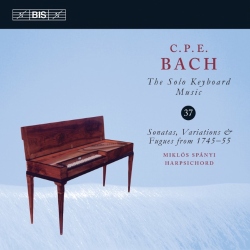
2
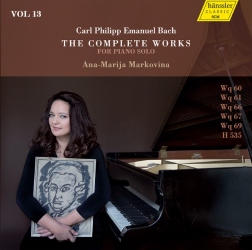
3:43
3
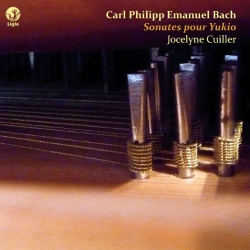
3:34
4
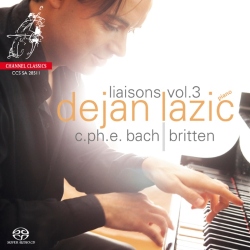
5:8
Featured Music
1
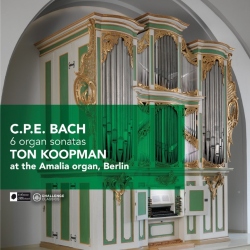
3:54
2
2:42
3
11:48