Franz Schubert
Erstarrung, D. 911/4, Op. 89/4
Released Album
Recent Album



Works Info
Composer:Franz SchubertGenre:VocalStyle:SongCompose Date:1827Average_duration:3:00"Erstarrung" is the fourth song in Franz Schubert's song cycle "Winterreise," Op. 89, D. 911. The song cycle was composed in 1827, just a year before Schubert's death, and premiered in Vienna in 1828. "Erstarrung" is a lied, or art song, written for solo voice and piano. The song is in A minor and is marked "Langsam" (slow). It is in a modified strophic form, with the first and second verses having the same melody and accompaniment, and the third verse having a slightly different melody and accompaniment. The piano accompaniment is sparse and repetitive, with a simple arpeggio pattern that creates a sense of stasis and frozenness. The text of the song is a poem by Wilhelm Müller, which tells the story of a wanderer who is walking through the winter landscape, feeling numb and frozen both physically and emotionally. The wanderer is haunted by memories of a lost love, and he feels that his heart has turned to ice. The imagery of the frozen landscape and the frozen heart is used throughout the song, creating a sense of despair and hopelessness. The first verse begins with the line "Ich such' im Schnee vergebens," which translates to "I search in vain in the snow." The wanderer is searching for a trace of his lost love, but all he finds is the cold and the snow. The second verse repeats the same melody and accompaniment, but with different lyrics that continue the theme of frozenness and despair. The third verse introduces a new melody and accompaniment, which is more agitated and intense than the previous verses. The wanderer declares that he will continue to wander through the frozen landscape, even though he knows that he will never find his lost love. The song ends with a repetition of the opening lines, creating a sense of circularity and hopelessness. "Erstarrung" is a powerful example of Schubert's ability to create a mood and atmosphere through music. The sparse piano accompaniment and repetitive melody create a sense of stasis and frozenness that perfectly captures the mood of the poem. The song is a haunting and poignant expression of the pain of lost love and the despair of being trapped in a frozen landscape.More....
Works Music
Released Music

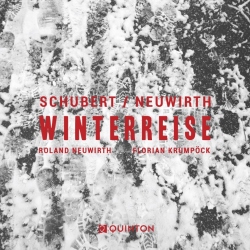

5
Solidification, D. 911/4, Op. 89/4
Erstarrung, song for voice & piano (Winterreise), D. 911/4 (Op. 89/4)
3:15