


Johann Sebastian Bach
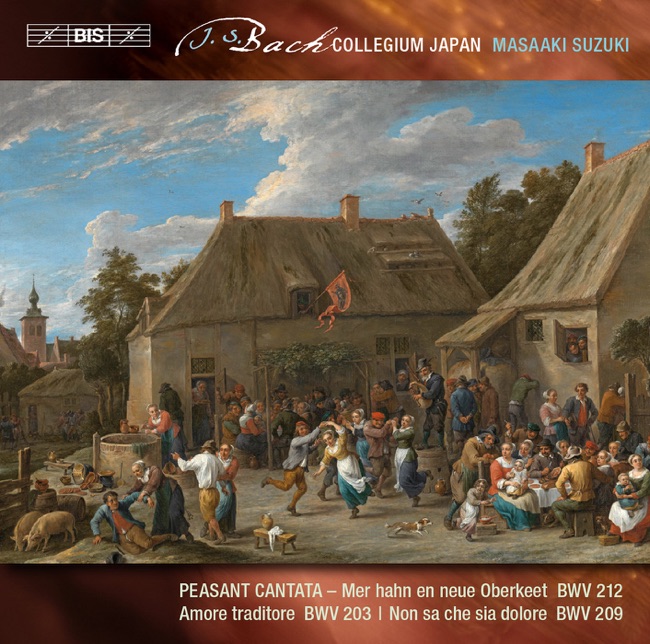
Cantata No. 212, "Mer hahn en neue Oberkeet", (Peasant Cantata), BWV 212
Released Album
Recent Album
-
-

-
-
 Maestro TimeNovember 26, 2021
 -

-
-

-
 Maestro TimeNovember 19, 2021
 -
-
-
-
Featured Album
Works Info
Composer:Johann Sebastian BachGenre:ChoralStyle:CantataCompose Date:Aug 30, 1742Publication Date:1881First Performance:Aug 30, 1742Average_duration:29:54Movement_count:24Movement ....Johann Sebastian Bach composed the Peasant Cantata, also known as Cantata No. 212, in 1742. It was written to celebrate the birthday of a Saxon nobleman, Count Joachim Friedrich von Flemming, who was known for his love of the countryside and the peasants who worked on his land. The cantata is a lighthearted and humorous work that depicts the joys and struggles of rural life. The Peasant Cantata is divided into ten movements, each of which features a different character or group of characters. The opening movement introduces the theme of the cantata with a lively chorus sung by the peasants, who are excited to celebrate the Count's birthday. The second movement features the character of the farmer, who sings a solo about the joys of working the land. The third movement is a duet between the farmer's wife and daughter, who sing about the pleasures of domestic life. The fourth movement introduces the character of the tax collector, who is portrayed as a greedy and corrupt figure. He sings a solo about his desire to collect as much money as possible from the peasants. The fifth movement features the character of the landlord, who is also portrayed as a greedy and selfish figure. He sings a solo about his desire to exploit the peasants for his own gain. The sixth movement is a duet between the landlord's daughter and the peasant boy, who are in love with each other. They sing about their desire to be together despite the social barriers that separate them. The seventh movement features the character of the schoolmaster, who sings a solo about the importance of education for the peasants. The eighth movement is a trio between the farmer, the landlord, and the tax collector, who argue about the best way to govern the peasants. The ninth movement is a solo by the peasant girl, who sings about the joys of dancing and music. The final movement is a reprise of the opening chorus, in which the peasants celebrate the Count's birthday and express their gratitude for his kindness and generosity. The Peasant Cantata is characterized by its lively and upbeat melodies, its humorous and satirical lyrics, and its depiction of rural life and peasant culture. It is one of Bach's most popular and accessible works, and it continues to be performed and enjoyed by audiences around the world.More....
Works Music
Released Music
1

2:33
2

2:10
3
2:44
4

Cantata No. 212, "Mer hahn en neue Oberkeet", (Peasant Cantata), BWV 212
XVI. Aria. Es nehme zehntausend Dukaten
1:44
5

Cantata No. 212, "Mer hahn en neue Oberkeet", (Peasant Cantata), BWV 212
VII. Recitative. Das klingt zu liederlich
1:18
6

Cantata No. 212, "Mer hahn en neue Oberkeet", (Peasant Cantata), BWV 212
XI. Recitative. Und unsre gnadge frau
1:24
7

Cantata No. 212, "Mer hahn en neue Oberkeet", (Peasant Cantata), BWV 212
XIV. Aria. Klein zschocher masse zart und susse, Pt. 1
3:40
8

Cantata No. 212, "Mer hahn en neue Oberkeet", (Peasant Cantata), BWV 212
VIII. Aria. Unser trefflicher, lieber kammerherr
2:26
9
Cantata No. 212, "Mer hahn en neue Oberkeet", (Peasant Cantata), BWV 212
II. Aria, Mer hahn en neue oberkeet
1:40
10
3:12
Featured Music
1
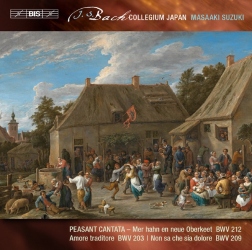
2:6
2
Cantata No. 212, "Mer hahn en neue Oberkeet", (Peasant Cantata), BWV 212
2. Aria. Duetto. Mer hahn en neue Oberkeet...
35
3
Cantata No. 212, "Mer hahn en neue Oberkeet", (Peasant Cantata), BWV 212
3. Recitativo. Nu, Mieke, gib dein Guschel immer her...
57
4
Cantata No. 212, "Mer hahn en neue Oberkeet", (Peasant Cantata), BWV 212
4.Aria. Ach, es schmeckt doch gar zu gut...
54
5
Cantata No. 212, "Mer hahn en neue Oberkeet", (Peasant Cantata), BWV 212
6. Aria. Ach, Herr Schösser, geht nicht gar zu schlimm...
1:12
6
Cantata No. 212, "Mer hahn en neue Oberkeet", (Peasant Cantata), BWV 212
7. Recitativo. Es bleibt dabei...
19
7
Cantata No. 212, "Mer hahn en neue Oberkeet", (Peasant Cantata), BWV 212
8. Aria. Unser trefflicher...
1:56
8
Cantata No. 212, "Mer hahn en neue Oberkeet", (Peasant Cantata), BWV 212
10. Aria. Das ist galant...
1:8
9
Cantata No. 212, "Mer hahn en neue Oberkeet", (Peasant Cantata), BWV 212
14. Aria. Klein-Zschocher müsse...
7:18
10
Cantata No. 212, "Mer hahn en neue Oberkeet", (Peasant Cantata), BWV 212
20. Aria. Dein Wachstum sei feste und lache vor Lust!...
5:9
11
Cantata No. 212, "Mer hahn en neue Oberkeet", (Peasant Cantata), BWV 212
24. Chor. Wir gehn nun, wo der Dudelsack...
1:12
12
2:44
Main Perform Artists
Soprano Vocal
Baritone Vocal
Bass (Vocal)
Soprano (Vocal)
Bass Vocal
Soprano Vocal
Bass Vocal
Bass (Vocal)