Constantijn Huygens
Quoy Clorinde tu pars
Released Album
Recent Album
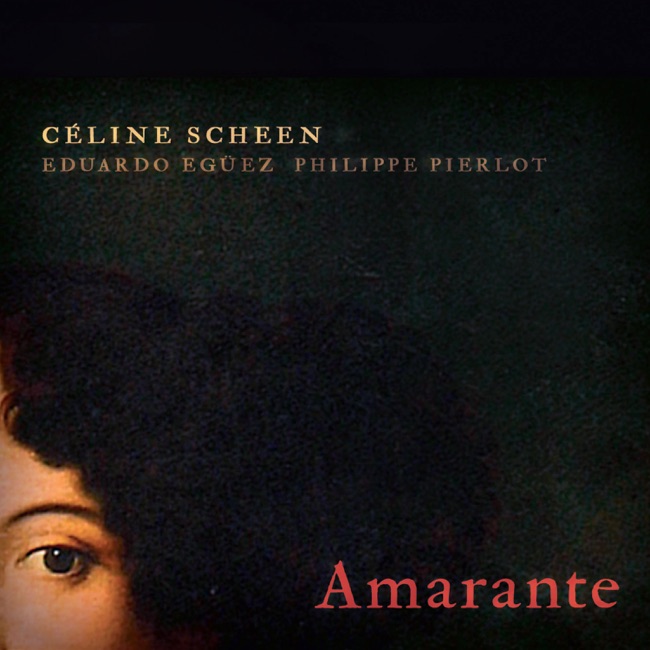
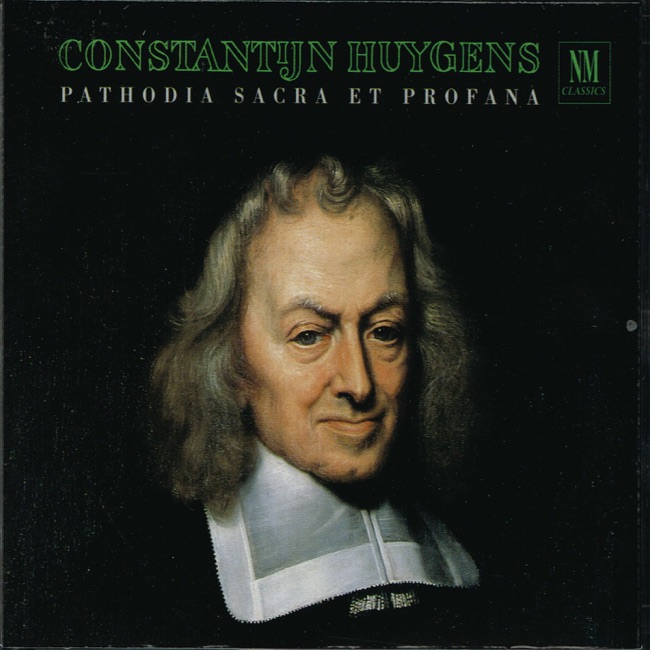
Featured Album
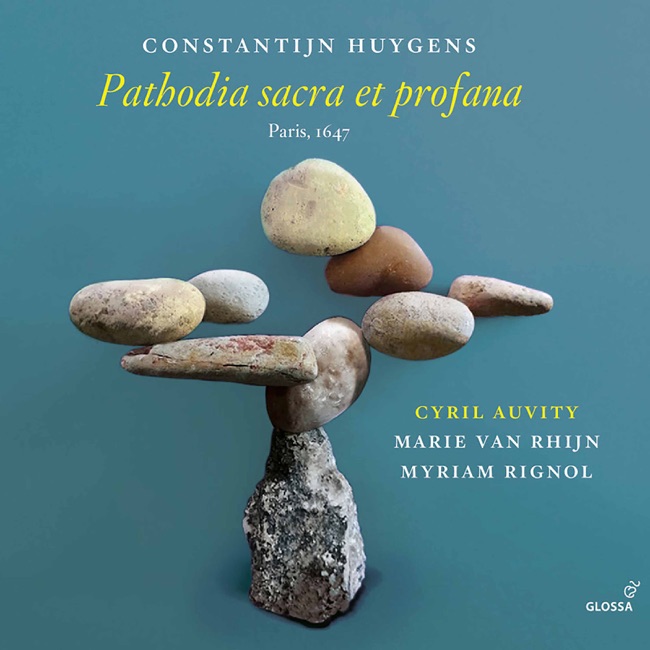
Works Info
Composer:Constantijn HuygensGenre:VocalStyle:Vocal MusicAverage_duration:2:01"Quoy Clorinde tu pars" is a vocal piece composed by Constantijn Huygens, a Dutch poet, composer, and diplomat, in the early 17th century. The piece was likely composed in the 1620s and was first performed in the court of Prince Maurits of Nassau in The Hague, Netherlands. The piece is written for a solo voice accompanied by a lute or other plucked string instrument. It consists of three movements, each with its own distinct character and mood. The first movement is slow and mournful, with a melancholic melody that reflects the sadness of the speaker as they bid farewell to their beloved Clorinde. The second movement is more lively and upbeat, with a faster tempo and a more playful melody that suggests a sense of hope and optimism. The final movement returns to the slower, more mournful mood of the first, with a melody that is more complex and intricate, reflecting the speaker's deep sense of loss and longing. One of the most notable characteristics of "Quoy Clorinde tu pars" is its use of word painting, a technique in which the music reflects the meaning of the text. For example, in the first movement, the melody rises and falls in a way that mirrors the speaker's sighs of sadness, while in the second movement, the music becomes more lively and playful as the speaker expresses their hope for a happy reunion with Clorinde. Overall, "Quoy Clorinde tu pars" is a beautiful and poignant example of early 17th-century vocal music, showcasing Huygens' skill as both a poet and a composer. Its emotional depth and expressive melodies continue to captivate audiences today, making it a beloved piece of classical music.More....