


Dietrich Buxtehude
Wachet auf, ruft uns die Stimme, BuxWV 101
Released Album
Recent Album
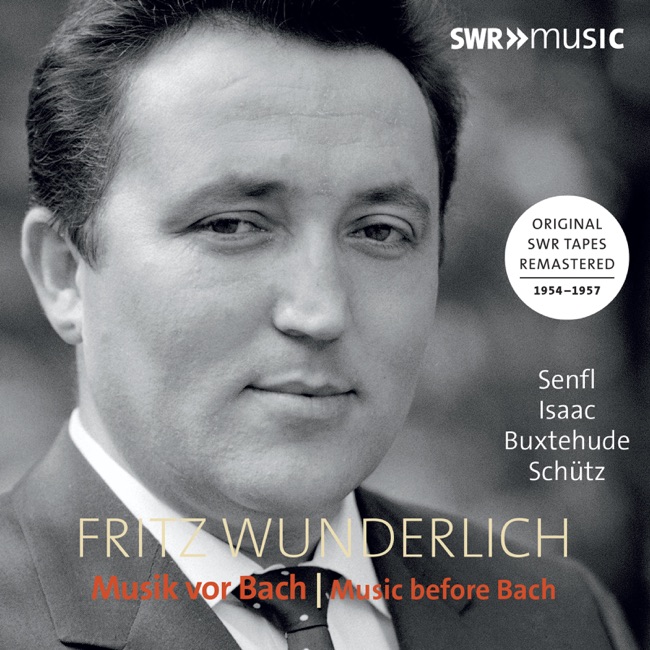
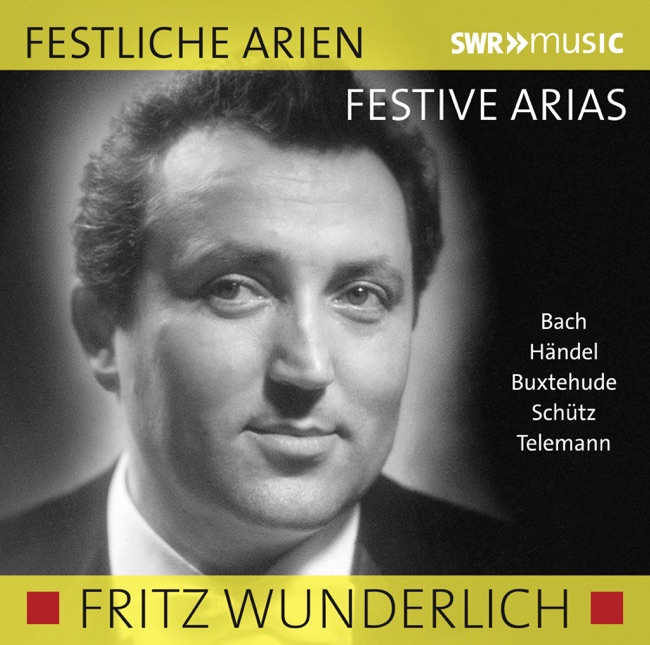
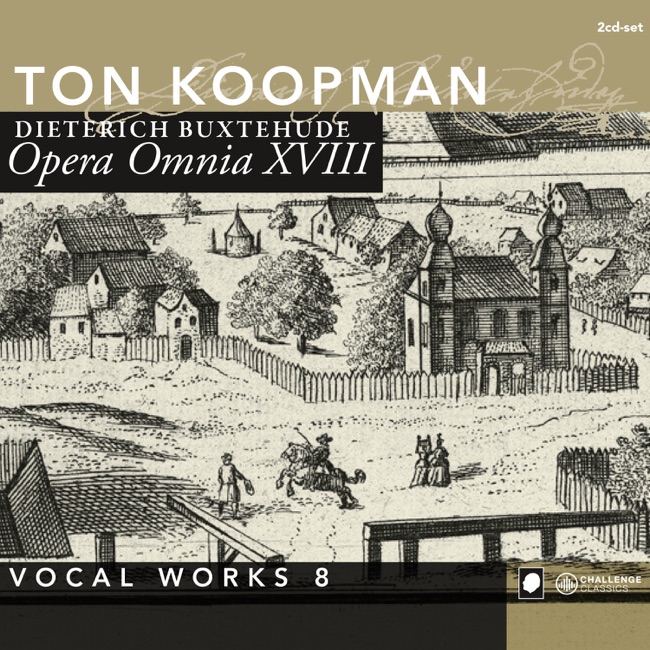
Works Info
Composer:Dietrich BuxtehudeGenre:VocalStyle:Vocal MusicAverage_duration:11:08Dietrich Buxtehude's 'Wachet auf, ruft uns die Stimme, BuxWV 101' is a sacred cantata composed for the Lutheran church. The piece was composed in the late 17th century, around 1690, and premiered in Lübeck, Germany. The cantata is divided into seven movements, each with its own unique characteristics. The first movement, 'Wachet auf, ruft uns die Stimme,' is a chorale fantasia that sets the tone for the entire piece. The movement begins with a lively instrumental introduction, followed by the choir singing the first verse of the hymn. The movement is characterized by its use of counterpoint and the interplay between the choir and the instrumentalists. The second movement, 'Er kommt, er kommt, der Bräutigam,' is a duet for soprano and bass. The movement is characterized by its use of imitative counterpoint and the interplay between the two voices. The movement is also notable for its use of chromaticism, which adds a sense of tension and urgency to the piece. The third movement, 'Wann kommst du, mein Heil?,' is a recitative for bass. The movement is characterized by its use of declamatory singing, which emphasizes the text and adds a sense of drama to the piece. The fourth movement, 'Mein Freund ist mein!,' is a duet for soprano and tenor. The movement is characterized by its use of imitative counterpoint and the interplay between the two voices. The movement is also notable for its use of suspensions, which add a sense of tension and release to the piece. The fifth movement, 'Auf, auf, mit hellem Schall,' is a chorale for the choir. The movement is characterized by its use of homophonic texture, which emphasizes the text and adds a sense of unity to the piece. The sixth movement, 'Gloria sei dir gesungen,' is a duet for soprano and bass. The movement is characterized by its use of imitative counterpoint and the interplay between the two voices. The movement is also notable for its use of ornamentation, which adds a sense of beauty and elegance to the piece. The seventh and final movement, 'Nun lob, mein Seel, den Herren,' is a chorale for the choir. The movement is characterized by its use of homophonic texture and its joyful and celebratory tone. Overall, 'Wachet auf, ruft uns die Stimme, BuxWV 101' is a masterful example of Buxtehude's skill as a composer. The piece is characterized by its use of counterpoint, imitative textures, and chromaticism, which add a sense of tension and urgency to the piece. The piece is also notable for its use of declamatory singing, ornamentation, and homophonic textures, which add a sense of drama, beauty, and unity to the piece.More....
Works Music
Released Music
2
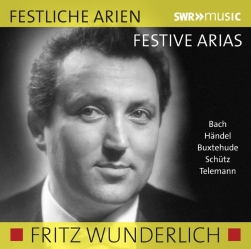
Wake up, the voice calls us, BuxWV 101
Wachet auf, ruft uns die Stimme, Kantate für Alt, Tenor, Bass, 2 Violinen und Basso continuo BuxWV 101
12:45
3
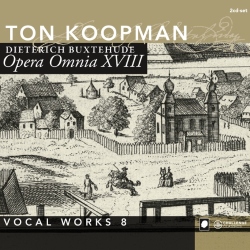
10:52