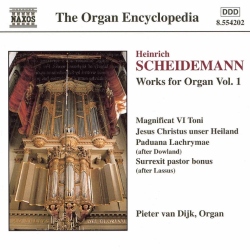
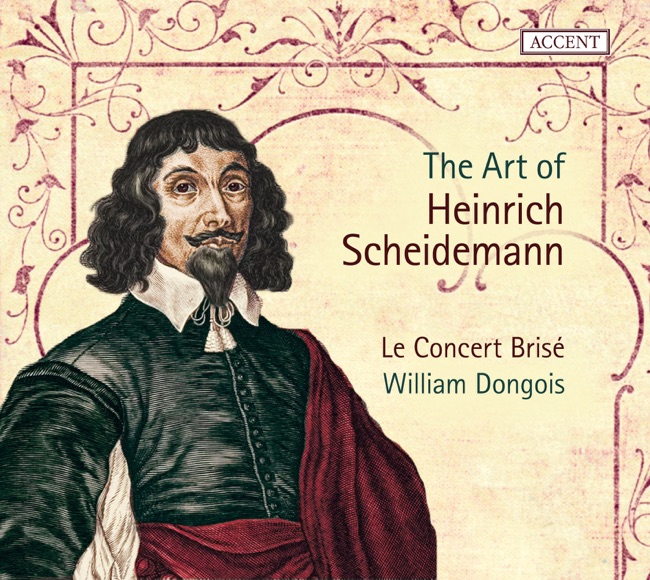
Heinrich Scheidemann
Paduana Lachrymae (after Dowland)
Released Album
Recent Album
Works Info
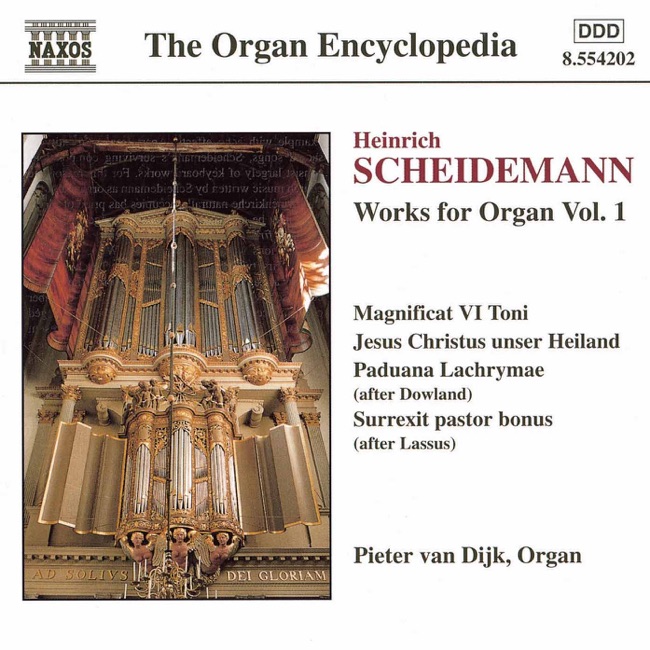
Composer:Heinrich ScheidemannGenre:KeyboardStyle:KeyboardAverage_duration:5:15Heinrich Scheidemann was a German composer and organist who lived from 1595 to 1663. He was a prominent figure in the North German organ school, which was a group of composers who wrote for the organ in the 17th century. One of Scheidemann's most famous works is the Paduana Lachrymae (after Dowland), which was composed in the early 17th century. The Paduana Lachrymae is a set of variations on a theme by the English composer John Dowland. The theme is a melancholy piece called "Flow my tears," which was a popular song in the 16th century. Scheidemann's variations on the theme are written for the organ and are in the form of a paduana, which is a slow, stately dance. The Paduana Lachrymae is believed to have been composed around 1620, although the exact date is not known. It was likely premiered in one of the churches where Scheidemann worked as an organist, such as the St. Catherine's Church in Hamburg. The piece is divided into six movements, each of which is a variation on the theme. The first movement is a simple statement of the theme, played in the bass register of the organ. The second movement is a variation in which the theme is played in the upper register of the organ, with a simple accompaniment in the bass. The third movement is a more complex variation, with a faster tempo and more elaborate ornamentation. The fourth movement is a variation in which the theme is played in the pedal register of the organ, with a simple accompaniment in the manuals. The fifth movement is a variation in which the theme is played in the upper register of the organ, with a more complex accompaniment in the bass. The final movement is a variation in which the theme is played in the pedal register of the organ, with a more complex accompaniment in the manuals. The Paduana Lachrymae is a beautiful and haunting piece of music, with a melancholy and introspective mood. It is a testament to Scheidemann's skill as a composer and organist, and it remains a popular piece in the organ repertoire to this day.More....
Works Music
Released Music