Francesco Canova da Milano
Ricercar Spagnuola for lute
Released Album
Recent Album

Featured Album
Works Info
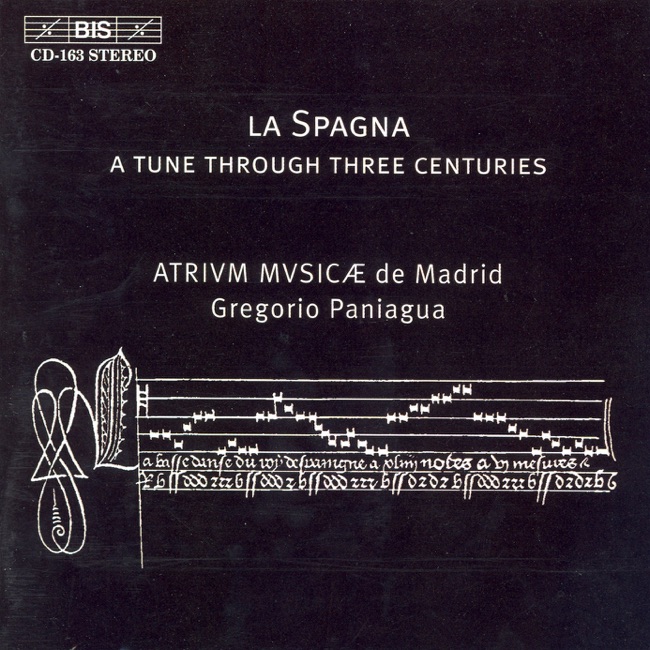
Composer:Francesco Canova da MilanoGenre:ChamberStyle:RicercarAverage_duration:0:49Francesco Canova da Milano was an Italian lutenist and composer who lived during the Renaissance period. He was born in Milan in 1497 and died in 1543. He was one of the most famous lutenists of his time and was known for his virtuosic playing and innovative compositions. One of his most famous compositions is the "Ricercar Spagnuola for lute." This piece was composed in the early 16th century and is considered one of the most important works in the lute repertoire. It is a complex and challenging piece that showcases the technical abilities of the lutenist. The "Ricercar Spagnuola" is a single-movement piece that is characterized by its intricate counterpoint and use of chromaticism. It is written in the style of a ricercar, which is a type of instrumental composition that was popular during the Renaissance period. The piece is in the key of D minor and is written in a free form, with no specific structure or sections. The piece begins with a slow and somber introduction that sets the mood for the rest of the piece. The main theme is then introduced, which is a complex and intricate melody that is played in a series of variations throughout the piece. The theme is developed through a series of imitative passages and counterpoint, with the lutenist weaving in and out of the melody. One of the most notable characteristics of the "Ricercar Spagnuola" is its use of chromaticism. This is evident in the complex harmonies and dissonances that are present throughout the piece. The use of chromaticism was a hallmark of the Renaissance period and was used to create a sense of tension and drama in the music. The "Ricercar Spagnuola" was premiered during the Renaissance period and quickly became a popular piece among lutenists. It has since become a staple of the lute repertoire and is still performed today by modern lutenists. Its intricate counterpoint and use of chromaticism make it a challenging piece to play, but also a rewarding one for those who are able to master it.More....
Works Music
Released Music

Featured Music