Charles Tomlinson Griffes
Tone-Pictures (3), Op. 5, A. 67-69
Released Album
Recent Album








Works Info
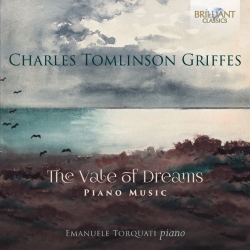
Composer:Charles Tomlinson GriffesGenre:KeyboardStyle:KeyboardCompose Date:1910 - 1915Publication Date:1915First Performance:May 5, 1917Average_duration:8:38Movement_count:3Movement ....Charles Tomlinson Griffes was an American composer who was known for his innovative and modernist approach to music. One of his most famous works is the Tone-Pictures (3), Op. 5, A. 67-69, which was composed in 1911 and premiered in 1912. The Tone-Pictures (3) is a set of three pieces for solo piano, each with its own distinct character and mood. The first piece, "The Lake at Evening," is a serene and peaceful depiction of a lake at sunset. The second piece, "The Vale of Dreams," is a more introspective and melancholy piece, with a haunting melody and a sense of longing. The final piece, "The Night Winds," is a more dramatic and intense piece, with a sense of urgency and restlessness. The first movement, "The Lake at Evening," is characterized by its use of impressionistic harmonies and delicate textures. The piece begins with a gentle, flowing melody in the right hand, accompanied by a simple, arpeggiated figure in the left hand. As the piece progresses, the harmonies become more complex, with unexpected chord changes and dissonances that create a sense of tension and release. The second movement, "The Vale of Dreams," is a more introspective and melancholy piece. The melody is slow and mournful, with a sense of longing and nostalgia. The harmonies are more chromatic and dissonant than in the first movement, creating a sense of unease and tension. The final movement, "The Night Winds," is the most dramatic and intense of the three. The piece begins with a fast, driving rhythm in the left hand, accompanied by a swirling, virtuosic melody in the right hand. The harmonies are more dissonant and complex than in the previous movements, with sudden shifts in tonality and unexpected chord changes. The piece builds to a frenzied climax before ending abruptly. Overall, the Tone-Pictures (3) is a masterful example of Griffes' innovative and modernist approach to music. The use of impressionistic harmonies, chromaticism, and unexpected chord changes create a sense of tension and release that is both exciting and emotionally powerful. The three movements each have their own distinct character and mood, but they are united by Griffes' unique musical language and his ability to create vivid, evocative soundscapes.More....
Works Music
Released Music