


Claudio Monteverdi
Ut queant laxis resonare fibris (from Selva morale e spirituale), SV 279a
Released Album
Recent Album
Featured Album
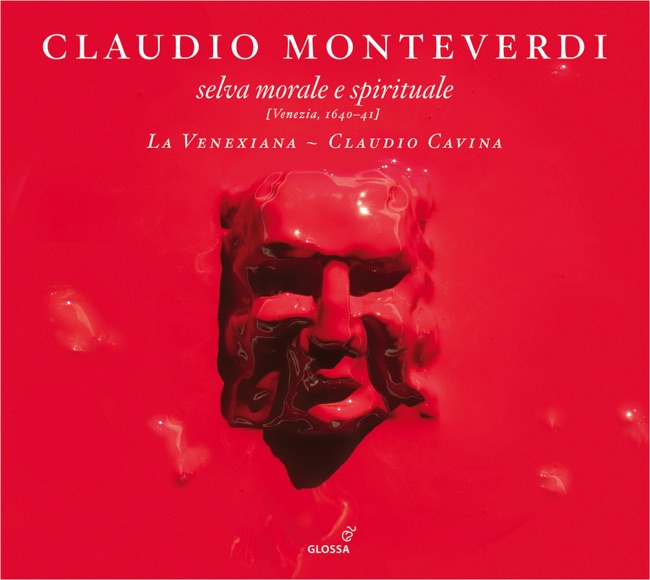
Works Info
Composer:Claudio MonteverdiGenre:ChoralStyle:MotetCompose Date:ca. 1640Average_duration:3:25Claudio Monteverdi's 'Ut queant laxis resonare fibris (from Selva morale e spirituale), SV 279a' is a sacred motet composed in the early 17th century. The piece was likely composed in the years between 1640 and 1641, during Monteverdi's tenure as maestro di cappella at the Basilica of San Marco in Venice. The motet is part of Monteverdi's larger collection of sacred music, Selva morale e spirituale, which was published in 1641. 'Ut queant laxis resonare fibris' is a four-voice motet that is based on a hymn to St. John the Baptist. The piece is divided into two sections, with the first section featuring a homophonic texture and the second section featuring a more contrapuntal texture. The motet is written in the key of G minor and is scored for two sopranos, alto, and bass. The first section of the motet begins with a declamatory statement of the text, "Ut queant laxis resonare fibris," which is then repeated by the other voices. The text is set to a simple, chordal melody that emphasizes the natural rhythm of the words. The second section of the motet features a more complex texture, with the voices weaving in and out of each other in a contrapuntal fashion. The text is set to a more elaborate melody that features chromaticism and dissonance. One of the most notable characteristics of 'Ut queant laxis resonare fibris' is its use of solmization syllables. The hymn to St. John the Baptist on which the motet is based was traditionally used as a teaching tool for singers, and each line of the hymn begins with a different solmization syllable. Monteverdi incorporates these syllables into the motet, with each voice singing a different syllable at the beginning of each phrase. Overall, 'Ut queant laxis resonare fibris' is a beautiful example of Monteverdi's skill as a composer of sacred music. The piece showcases his ability to create complex textures and harmonies while still maintaining a sense of clarity and simplicity. Its use of solmization syllables adds an extra layer of interest and complexity to the piece, making it a fascinating example of early Baroque music.More....
Works Music
Released Music
1
2:47
2
3:26
3
3:13
4
3:40
5
3:24
6
3:18
Featured Music
1
Ut queant laxis resonare fibris (from Selva morale espiritual), SV 279a
Christe sanctorum (Hymnus) (sulla musica di 'Ut queant laxis')
3:18
2
Ut queant laxis resonare fibris (from Selva morale espiritual), SV 279a
Hymn: Ut queant laxis
2:42
3
Ut queant laxis resonare fibris (from Selva morale espiritual), SV 279a
Ut queant laxis sopra lo stesso metro
3: