Carlo Gesualdo
Peccantem me quotidie, W. 8/36
Released Album
Recent Album
-
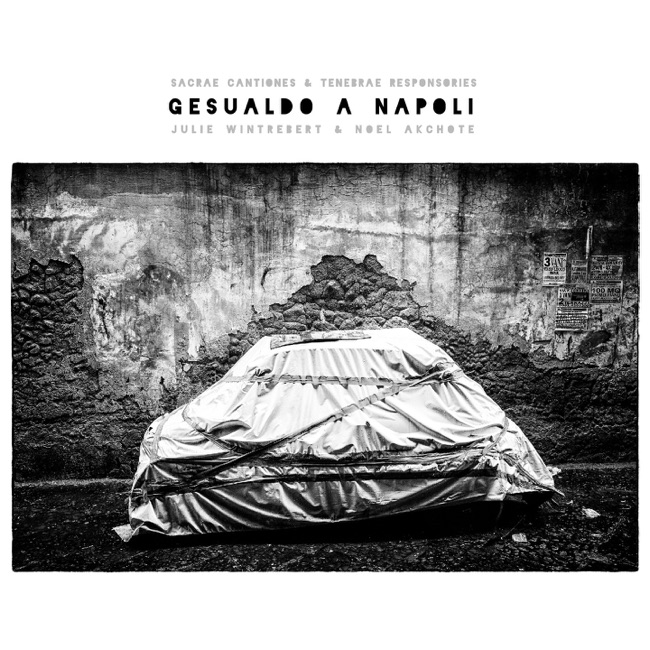 Julie WintrebertNovember 22, 2019
 -
-
-
-
-
-
-
Featured Album
Works Info
Composer:Carlo GesualdoGenre:ChoralStyle:MotetCompose Date:1603Average_duration:5:00'Peccantem me quotidie, W. 8/36' is a sacred motet composed by Carlo Gesualdo, an Italian composer and nobleman of the late Renaissance period. The piece was composed in the late 16th century, around 1590, and is one of Gesualdo's most famous works. It was likely composed for use in the chapel of Gesualdo's family palace in Naples, where he was known to have performed and composed music. The motet is written for five voices, with a soprano, alto, tenor, baritone, and bass. It is divided into three movements, with the first and third movements being in a homophonic style and the second movement being in a polyphonic style. The text of the motet is a Latin poem by St. Augustine, which reflects on the daily struggle with sin and the need for God's mercy and forgiveness. The first movement begins with a solemn and mournful melody in the soprano voice, which is then echoed by the other voices. The text is sung in a homophonic style, with all voices singing the same words at the same time. The music is characterized by dissonant harmonies and unexpected chord progressions, which create a sense of tension and unease. The second movement is a more complex and intricate polyphonic setting of the text. The voices weave in and out of each other, creating a rich and dense texture. The music is characterized by intricate counterpoint and chromatic harmonies, which reflect the complexity of the text. The third movement returns to the homophonic style of the first movement, with the voices singing in unison. The music is more upbeat and hopeful, reflecting the theme of forgiveness and redemption. The final cadence is a major chord, which provides a sense of resolution and closure. Overall, 'Peccantem me quotidie, W. 8/36' is a powerful and emotionally charged work, which reflects Gesualdo's unique style and approach to composition. The piece is characterized by its use of dissonance and chromaticism, which create a sense of tension and unease, as well as its intricate polyphonic textures and complex harmonies. It remains a popular and influential work in the repertoire of sacred music.More....
Works Music
Released Music
Featured Music