


George Frederick Handel
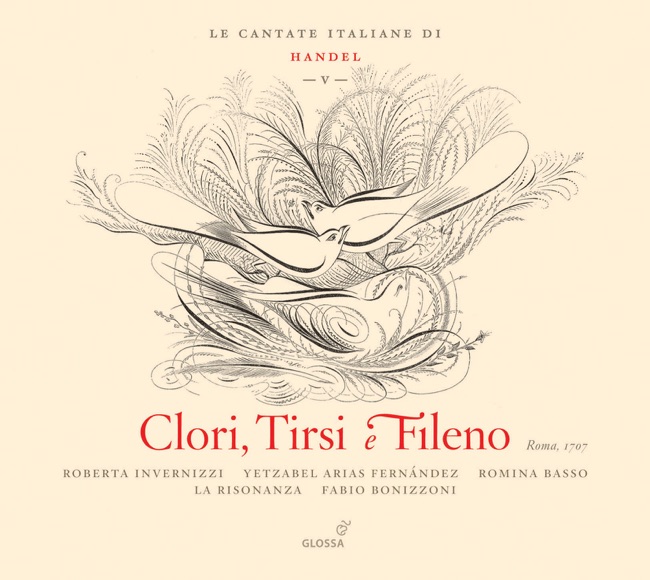
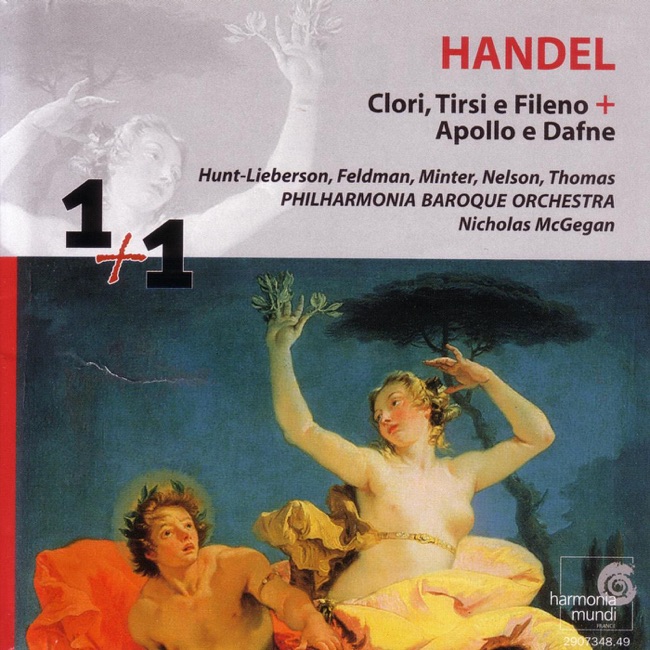
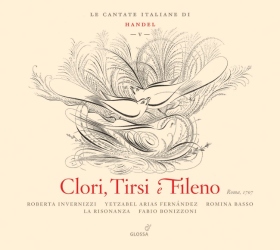
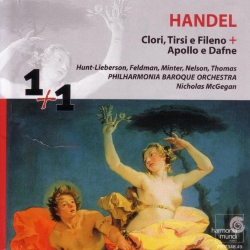
Clori, Tirsi e Fileno (Cor fedele in vano speri), HWV 96
Released Album
Recent Album
Featured Album
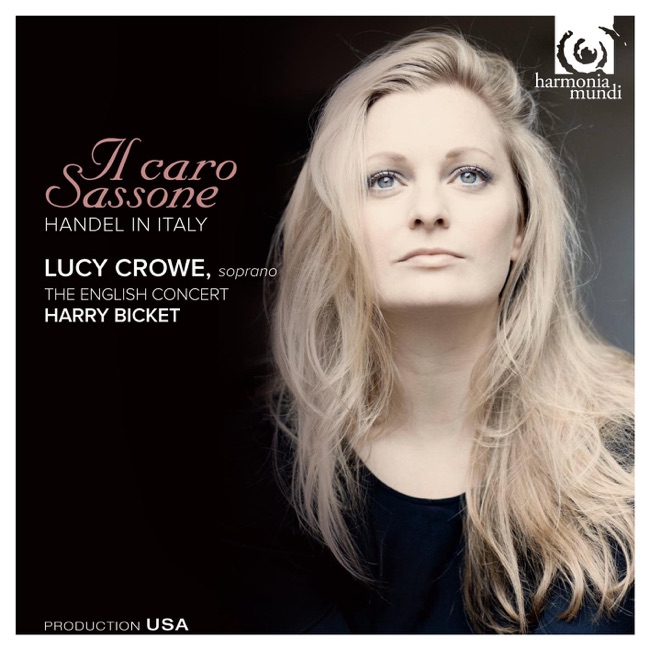
Works Info
Composer:George Frederick HandelGenre:VocalStyle:CantataAverage_duration:75:58Movement_count:32Movement ...."Clori, Tirsi e Fileno" (Cor fedele in vano speri), HWV 96, is a cantata composed by George Frederick Handel. The cantata was composed in 1707 and premiered in Rome, Italy. It is a secular cantata that tells the story of three shepherds, Clori, Tirsi, and Fileno, who are in love with the same woman, Cor fedele. The cantata is divided into three movements, each of which features a different shepherd singing about his love for Cor fedele. The first movement, "Cor fedele," is sung by Clori. It is a slow and melancholic aria that expresses Clori's sadness and despair at not being able to win Cor fedele's love. The aria is characterized by its use of chromaticism and dissonance, which create a sense of tension and unease. The second movement, "Sì, sì, pur troppo è vero," is sung by Tirsi. It is a lively and upbeat aria that expresses Tirsi's confidence in his ability to win Cor fedele's love. The aria is characterized by its use of rapid-fire melodic lines and virtuosic vocal runs, which showcase Handel's skill as a composer of vocal music. The third movement, "Non ti bastò già," is sung by Fileno. It is a slow and mournful aria that expresses Fileno's bitterness and resentment towards Cor fedele for rejecting his love. The aria is characterized by its use of descending melodic lines and minor harmonies, which create a sense of sadness and despair. Overall, "Clori, Tirsi e Fileno" is a beautiful and emotionally powerful cantata that showcases Handel's skill as a composer of vocal music. Its use of chromaticism, dissonance, and virtuosic vocal runs make it a challenging piece for singers, but also a rewarding one for those who are able to master its complexities.More....
Works Music
Released Music
1
Cloris, Tirsi and Fileno (Cor Fedele in vano speri), HWV 96
Pt. 1: VI. Va col canto lusingando
5:58
2
5:5
3
3:25
5
5:
Featured Music
1
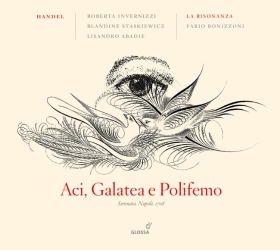
Cloris, Tirsi and Fileno (Cor Fedele in vano speri), HWV 96
Duetto. Senza occhi e senza accenti
6:8
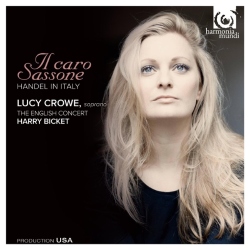
Main Perform Artists
Soprano (Vocal)
Alto (Vocals)
Soprano (Vocal)
Mezzo-Soprano Vocal