Jean Sibelius
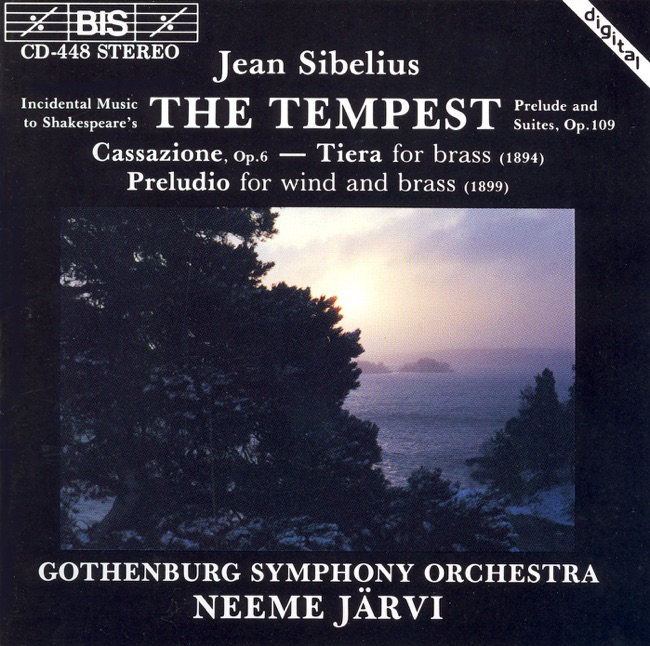
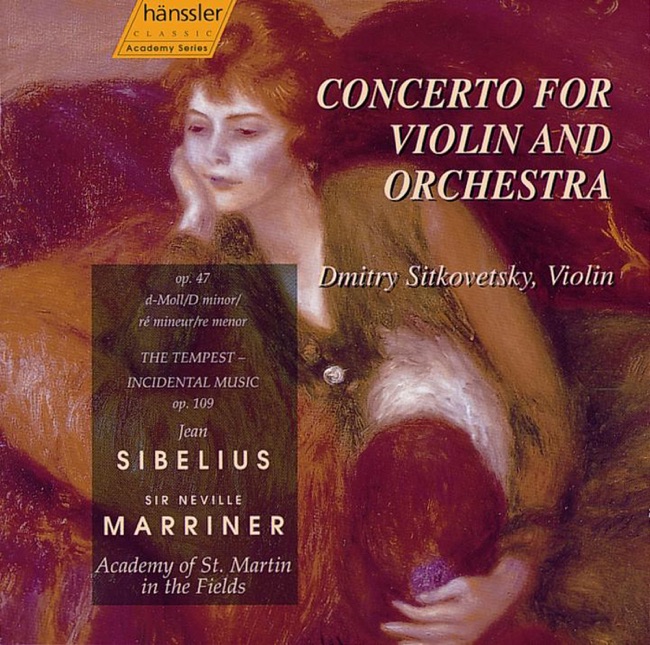
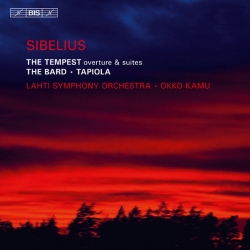
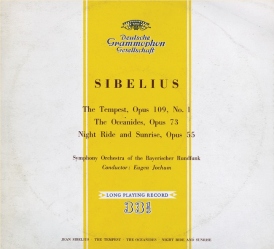
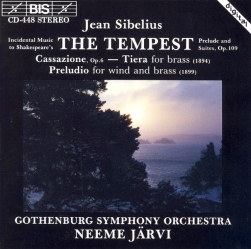
The Tempest, for orchestra, Op. 109)
Released Album
Recent Album
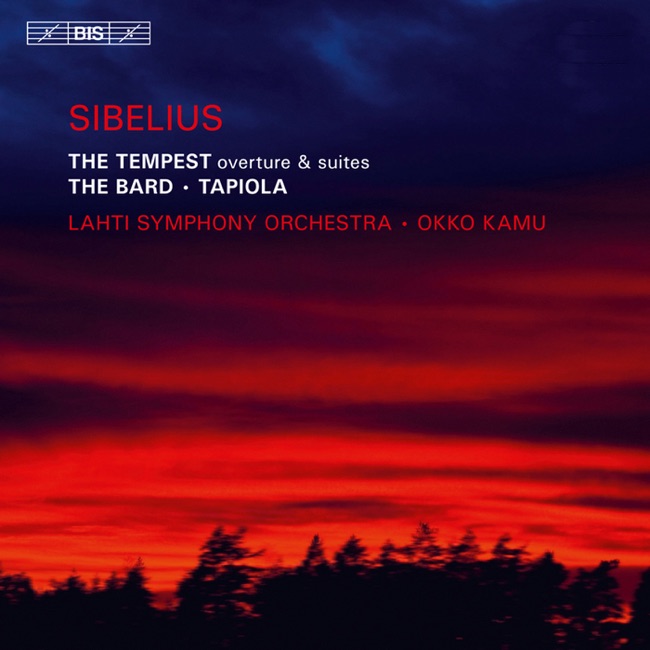
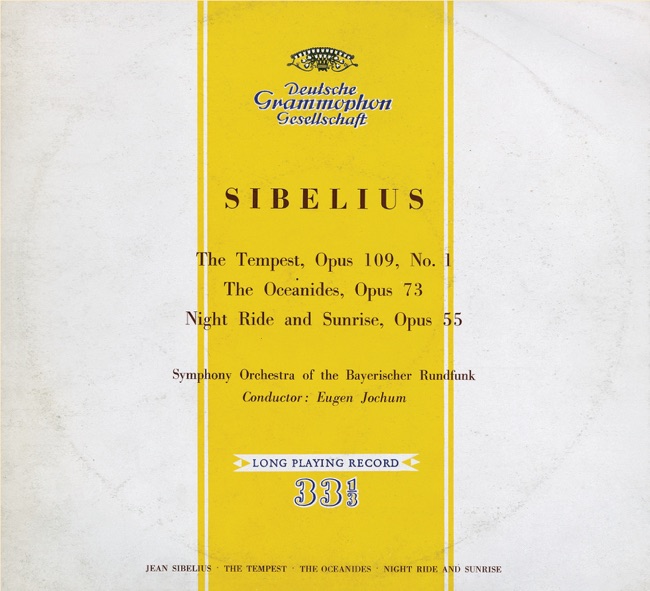
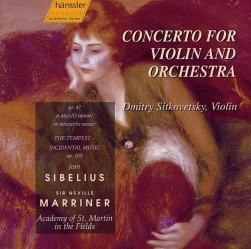
Featured Album
Works Info
Composer:Jean SibeliusGenre:OrchestralStyle:OrchestralCompose Date:1927Average_duration:5:42Jean Sibelius composed 'The Tempest, for orchestra, Op. 109' in 1925-1926. The piece was premiered on November 2, 1926, in Helsinki, Finland, conducted by the composer himself. The work is inspired by William Shakespeare's play 'The Tempest' and consists of four movements. The first movement, titled 'The Oak Tree,' begins with a slow and mysterious introduction, depicting the calm before the storm. The music gradually builds up, and the orchestra explodes into a powerful and dramatic theme, representing the tempest. The movement features a wide range of dynamics, from soft and delicate to loud and intense, creating a sense of turbulence and chaos. The second movement, 'Ariel's Song,' is a delicate and ethereal piece, featuring a solo flute and strings. The music is light and airy, evoking the spirit of Ariel, the mischievous and magical character from the play. The movement is characterized by its delicate and intricate orchestration, with the strings and woodwinds weaving together in a delicate and intricate dance. The third movement, 'Caliban's Song,' is a dark and brooding piece, featuring a solo bassoon and low strings. The music is slow and heavy, evoking the brutish and primitive nature of Caliban, the monstrous character from the play. The movement is characterized by its ominous and foreboding atmosphere, with the bassoon and low strings creating a sense of menace and danger. The final movement, 'The Storm,' is a grand and sweeping piece, featuring the full orchestra in a powerful and dramatic finale. The music is fast and furious, evoking the chaos and violence of the storm. The movement is characterized by its driving rhythms and intense energy, with the orchestra building up to a thrilling climax. Overall, 'The Tempest, for orchestra, Op. 109' is a masterful work of orchestration and musical storytelling. Sibelius's use of different musical themes and motifs to represent the different characters and events from the play is both clever and effective, creating a vivid and evocative musical portrait of Shakespeare's masterpiece.More....
Works Music
Released Music
Featured Music