


Grosses Opern-Orchester
Released Album
Opera
-
-
-
 November 25, 2008
 -
 November 21, 2006
 -
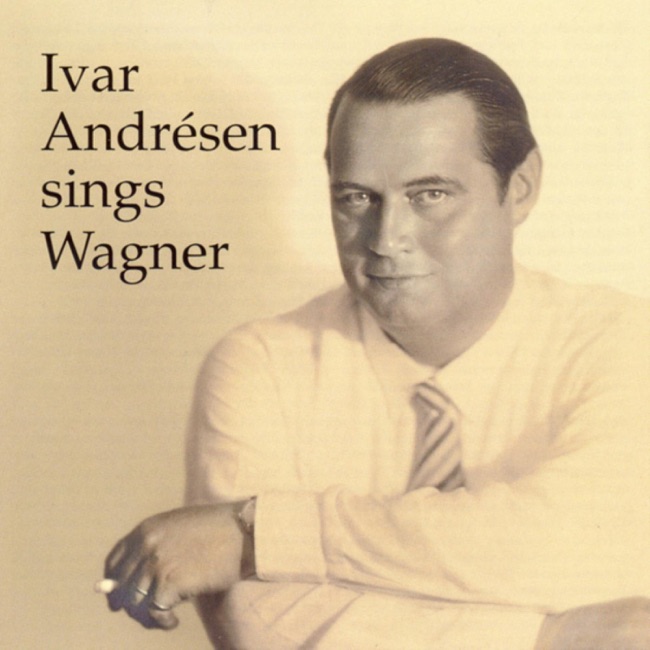 April 25, 2006
 -
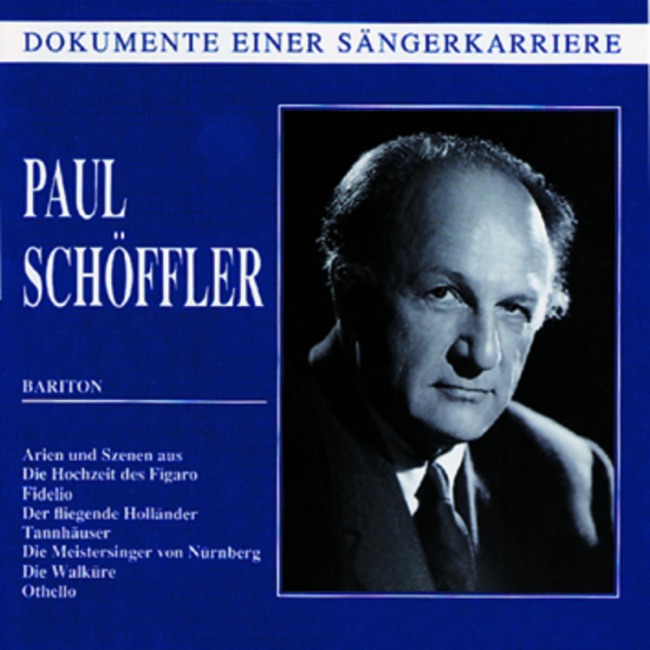
Orchestral
-
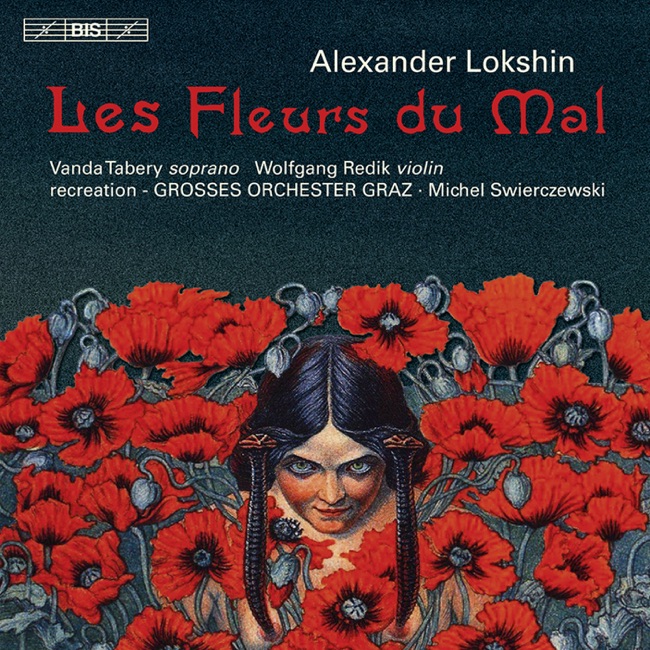 January 20, 2010
Artist Info
Role:EnsemblePeriod:RomanticGenre:OperaGrosses Opern-Orchester, also known as the Great Opera Orchestra, is a classical music ensemble based in Berlin, Germany. The orchestra was founded in 1949 by conductor Wilhelm Schüchter, who served as its first music director until his untimely death in 1954. Since then, the orchestra has been led by a number of distinguished conductors, including Ferenc Fricsay, Herbert von Karajan, and Claudio Abbado. The early years of Grosses Opern-Orchester were marked by a period of rebuilding and renewal in post-war Germany. The orchestra was formed out of the ashes of the Berlin State Opera Orchestra, which had been disbanded during the war. Schüchter, a former member of the Berlin Philharmonic, was chosen to lead the new ensemble, which was initially made up of musicians from the former State Opera Orchestra as well as other musicians from around Germany. Under Schüchter's leadership, Grosses Opern-Orchester quickly established itself as one of the premier orchestras in Germany. The orchestra's first major performance came in 1950, when it played at the reopening of the Berlin State Opera. The concert was a huge success, and the orchestra received widespread acclaim for its performance of Beethoven's Ninth Symphony. Over the next few years, Grosses Opern-Orchester continued to build its reputation through a series of high-profile performances and recordings. In 1952, the orchestra made its first international tour, playing concerts in Switzerland, Austria, and Italy. The following year, the orchestra recorded its first album, featuring works by Mozart and Beethoven. Tragically, Schüchter died in 1954 at the age of just 44. The orchestra was left without a leader, but it quickly found a new music director in Ferenc Fricsay. Fricsay, a Hungarian conductor who had previously led the Berlin Radio Symphony Orchestra, was known for his dynamic and expressive conducting style. Under Fricsay's leadership, Grosses Opern-Orchester continued to thrive. The orchestra's performances were marked by a sense of energy and excitement, and Fricsay was known for his ability to bring out the best in his musicians. In 1956, the orchestra made its first tour of the United States, playing concerts in New York, Boston, and Chicago. Throughout the 1960s and 1970s, Grosses Opern-Orchester continued to be one of the most respected orchestras in the world. The orchestra played a wide range of repertoire, from classical works by Mozart and Beethoven to more contemporary pieces by composers like Stravinsky and Bartók. The orchestra also collaborated with some of the most celebrated soloists of the era, including pianist Martha Argerich and violinist Yehudi Menuhin. One of the highlights of Grosses Opern-Orchester's career came in 1972, when the orchestra was invited to perform at the Salzburg Festival. The festival, which is one of the most prestigious classical music events in the world, was a major milestone for the orchestra. The performance was a huge success, and the orchestra received a standing ovation from the audience. In the years that followed, Grosses Opern-Orchester continued to tour extensively and record prolifically. The orchestra's recordings were widely praised for their clarity and precision, and the orchestra won numerous awards for its work. In 1989, the orchestra was awarded the Grand Prix du Disque for its recording of Beethoven's Ninth Symphony. In the 1990s, Grosses Opern-Orchester underwent a period of transition.More....
Recent Artist Music
Copyright Ⓒ 2013 Davinci Finger. All rights reseved
Service Terms & Policy