


Warwick Braithwaite
Released Album
Opera
-
 July 8, 2014
 -
 October 4, 2011
 -
 March 23, 2010
 -
 May 27, 2008
 -
 March 11, 2008
 -
 February 11, 2008
Vocal
-
 March 23, 2010
 -
 December 8, 2009
 -
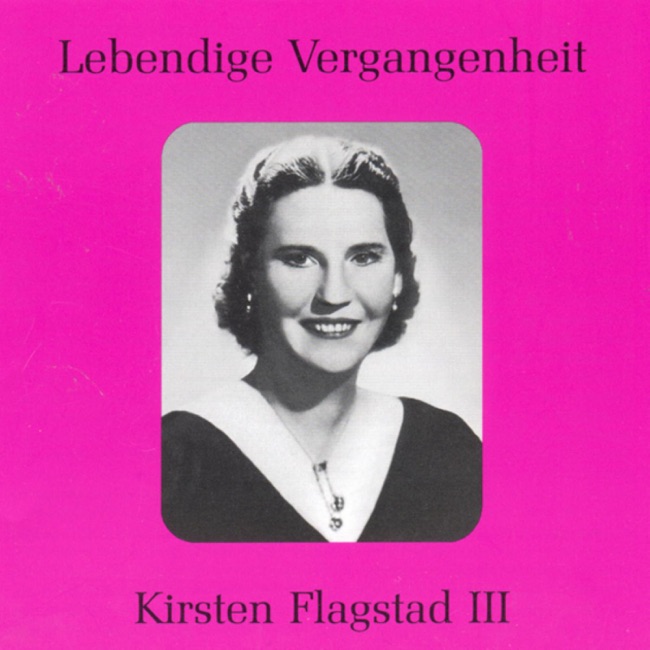 December 27, 2005
 -
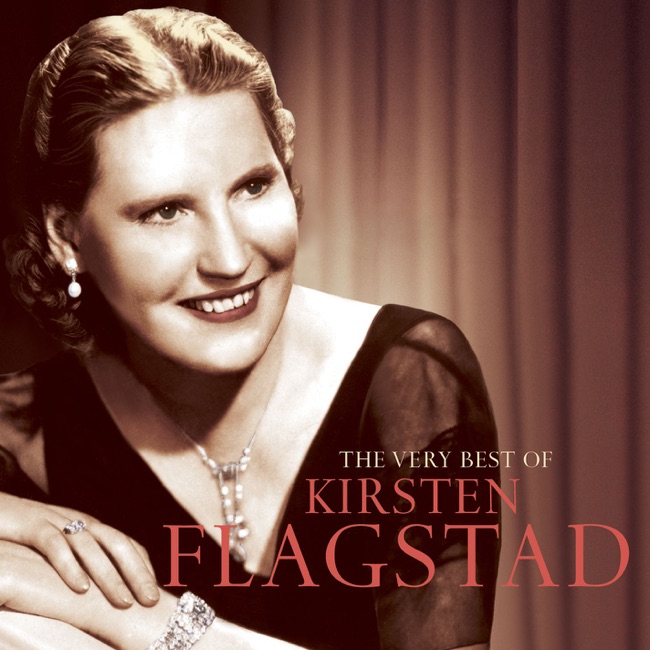 April 26, 2005
Choral
-
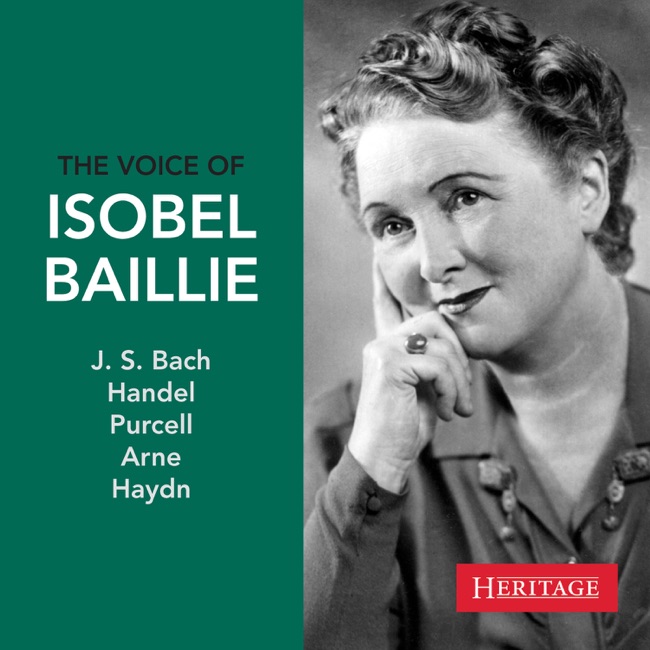 August 11, 2014
Artist Info
Role:ConductorBirth:January 9, 1896 in Dunedin, New ZealandDeath:1971Period:BaroqueRomanticGenre:OperaVocalWarwick Braithwaite was a renowned classical music artist who made significant contributions to the world of music as a conductor. He was born on December 6, 1896, in Christchurch, New Zealand, to a family of musicians. His father, John Braithwaite, was a well-known organist and conductor, and his mother, Alice, was a pianist. Warwick Braithwaite grew up in a musical environment and showed an early interest in music. Braithwaite began his musical education at the age of six, studying piano and violin with his mother. He later studied at the Christchurch School of Music, where he learned to play the cello and double bass. In 1914, he moved to London to continue his studies at the Royal Academy of Music. There, he studied conducting with Sir Henry Wood, who was a prominent conductor of the time. Braithwaite's career as a conductor began in 1920 when he was appointed as the conductor of the Hastings Municipal Orchestra. He later became the conductor of the Bournemouth Municipal Orchestra in 1924, where he stayed for six years. During his time in Bournemouth, Braithwaite gained a reputation as a talented conductor and was invited to conduct the London Philharmonic Orchestra in 1929. In 1931, Braithwaite was appointed as the conductor of the City of Birmingham Orchestra, which later became the City of Birmingham Symphony Orchestra (CBSO). He remained with the CBSO for ten years and made significant contributions to the orchestra's growth and development. Under his leadership, the CBSO became one of the leading orchestras in the UK. Braithwaite's tenure with the CBSO was marked by several notable performances and recordings. In 1936, he conducted the world premiere of Ralph Vaughan Williams' Symphony No. 5, which was a great success. He also recorded several works by British composers, including Elgar's Enigma Variations and Holst's The Planets. In 1941, Braithwaite left the CBSO to become the conductor of the New Zealand Symphony Orchestra. He remained with the orchestra for six years and made significant contributions to the development of classical music in New Zealand. During his time with the orchestra, he conducted several notable performances, including the New Zealand premiere of Mahler's Symphony No. 8. After leaving the New Zealand Symphony Orchestra, Braithwaite returned to the UK and continued to conduct various orchestras. He conducted the Royal Philharmonic Orchestra, the London Symphony Orchestra, and the BBC Symphony Orchestra, among others. He also made several recordings, including a highly acclaimed recording of Elgar's Symphony No. 2 with the Royal Philharmonic Orchestra. Braithwaite's contributions to the world of classical music were recognized with several awards and honors. In 1953, he was awarded the CBE (Commander of the Order of the British Empire) for his services to music. He was also awarded the OBE (Officer of the Order of the British Empire) in 1946 and the CMG (Companion of the Order of St. Michael and St. George) in 1958. Warwick Braithwaite died on April 10, 1971, in London, at the age of 74. He left behind a legacy as a talented conductor and a significant contributor to the world of classical music. His recordings and performances continue to be celebrated by music lovers around the world.More....
Recent Artist Music

Copyright Ⓒ 2013 Davinci Finger. All rights reseved
Service Terms & Policy