


Lepo Sumera
Released Album
Symphony
-
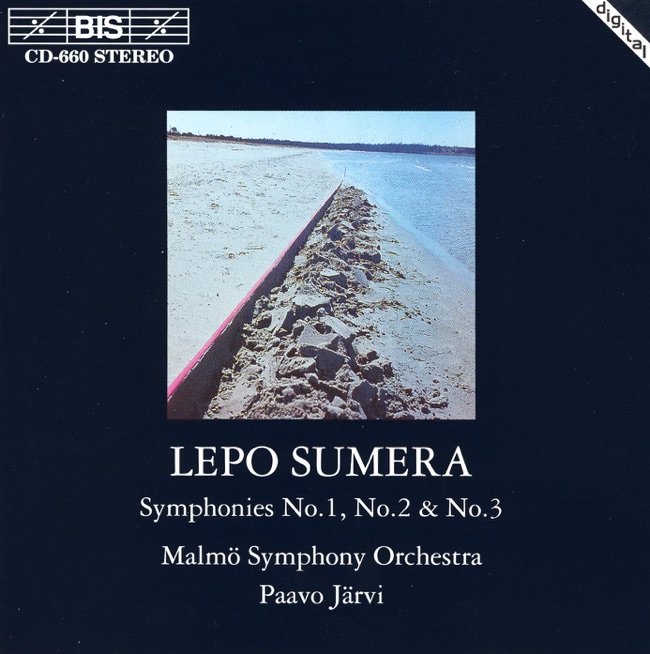 October 14, 1994
Chamber
-
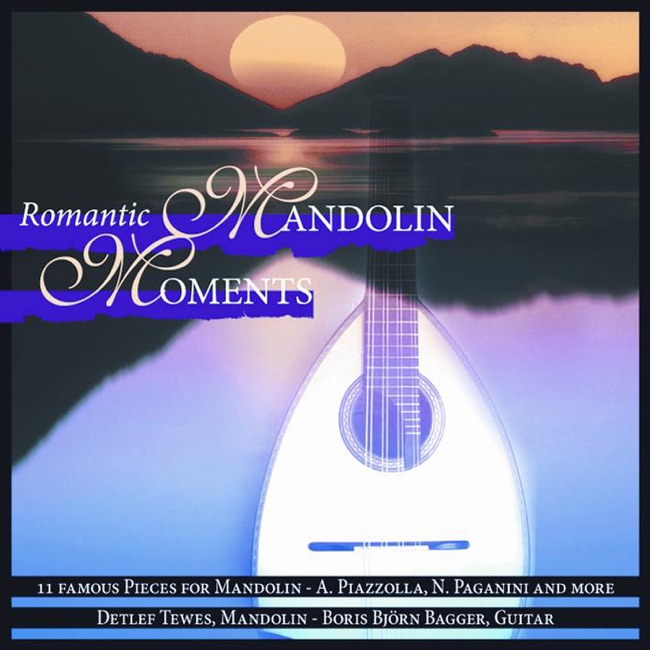 August 1, 2004
 -
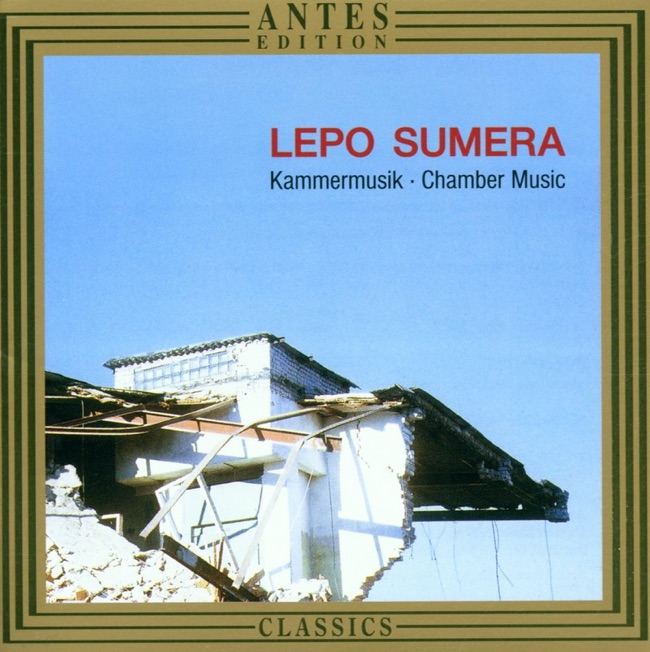 April 4, 2002
 -
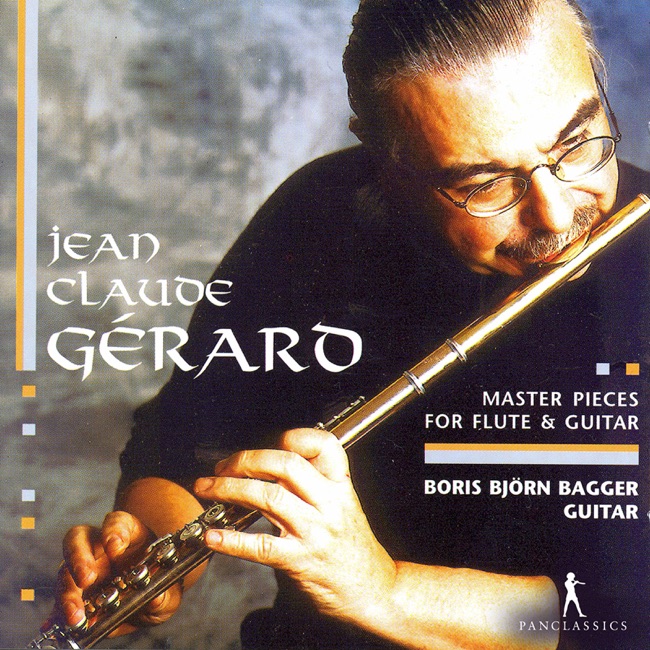 September 23, 2000
 -
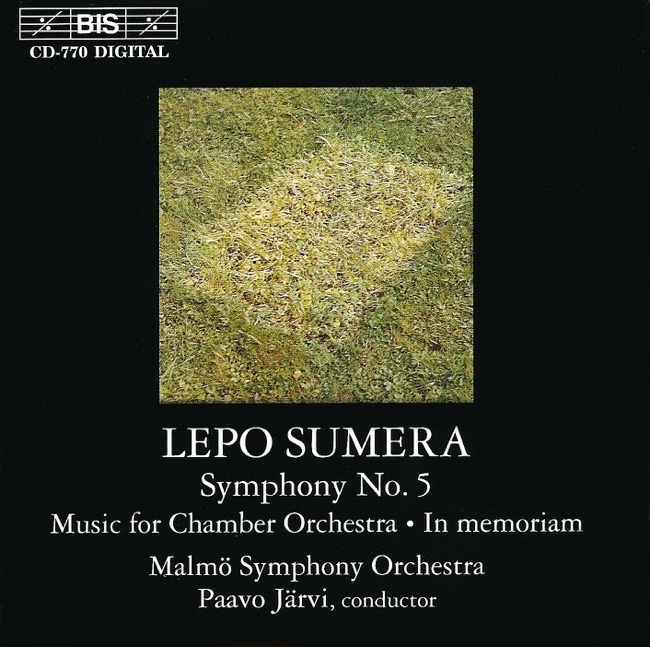
Orchestral
-
 June 10, 2022
Artist Info
Role:Composer PerformerCountry: EstoniaBirth:May 8, 1950 in Tallinn, EstoniaDeath:June 7, 2000Genre:ChamberFilmSymphonyLepo Sumera was a renowned Estonian composer who was born on May 8, 1950, in Tallinn, Estonia. He was the son of a well-known Estonian composer, Heino Sumera, who was also a music teacher. Lepo Sumera grew up in a musical family and was exposed to music from a very young age. He started playing the piano at the age of six and later learned to play the violin and the guitar. Sumera attended the Tallinn Music High School, where he studied composition under the guidance of Heino Eller, a prominent Estonian composer. He continued his studies at the Estonian Academy of Music, where he studied composition with Veljo Tormis and Heino Eller. Sumera graduated from the academy in 1974 with a degree in composition. After completing his studies, Sumera worked as a music teacher at the Tallinn Music High School. He also worked as a composer and wrote music for various ensembles, including orchestras, choirs, and chamber groups. Sumera's music was heavily influenced by the Estonian folk music tradition, and he often incorporated elements of folk music into his compositions. Sumera's early works were characterized by a minimalist style, with a focus on repetitive patterns and simple harmonies. However, as he matured as a composer, his style became more complex and experimental. He began to incorporate elements of avant-garde music into his compositions, including serialism and aleatoric techniques. One of Sumera's most significant works is his Symphony No. 1, which he composed in 1984. The symphony is a large-scale work that is divided into four movements. The first movement is characterized by a slow, mournful melody that is played by the strings. The second movement is more lively and features a complex interplay between the different sections of the orchestra. The third movement is a slow, meditative piece that features a solo violin. The final movement is a fast-paced, energetic piece that brings the symphony to a thrilling conclusion. Another notable work by Sumera is his Piano Concerto, which he composed in 1987. The concerto is a virtuosic work that showcases the technical abilities of the soloist. The piece is characterized by complex rhythms and harmonies, and it features a wide range of emotions, from introspective to exuberant. Sumera's music was well-received both in Estonia and internationally. He won numerous awards for his compositions, including the Estonian State Prize for Music in 1983 and 1995. He was also awarded the Order of the White Star, which is one of Estonia's highest honors. In addition to his work as a composer, Sumera was also a respected music educator. He taught composition at the Estonian Academy of Music and was a mentor to many young composers. He was known for his dedication to his students and his willingness to help them develop their own unique voices as composers. Tragically, Sumera's life was cut short when he passed away on June 2, 2000, at the age of 50. His death was a great loss to the Estonian music community, and he is remembered as one of Estonia's most important composers. His music continues to be performed and recorded by orchestras and ensembles around the world, and his legacy as a composer and educator lives on.More....
Recent Artist Music


Copyright Ⓒ 2013 Davinci Finger. All rights reseved
Service Terms & Policy