


USSR State Orchestra
Released Album
Concerto
-
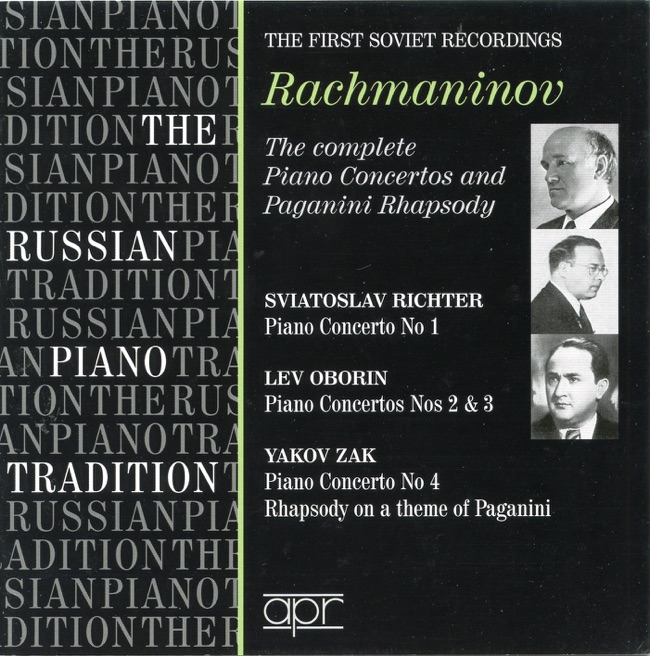 June 12, 2007
 -
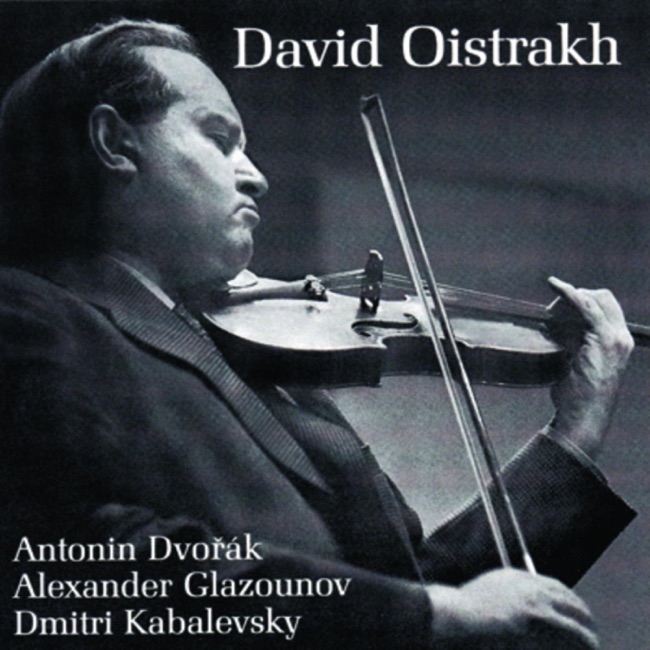 May 31, 2005
 -
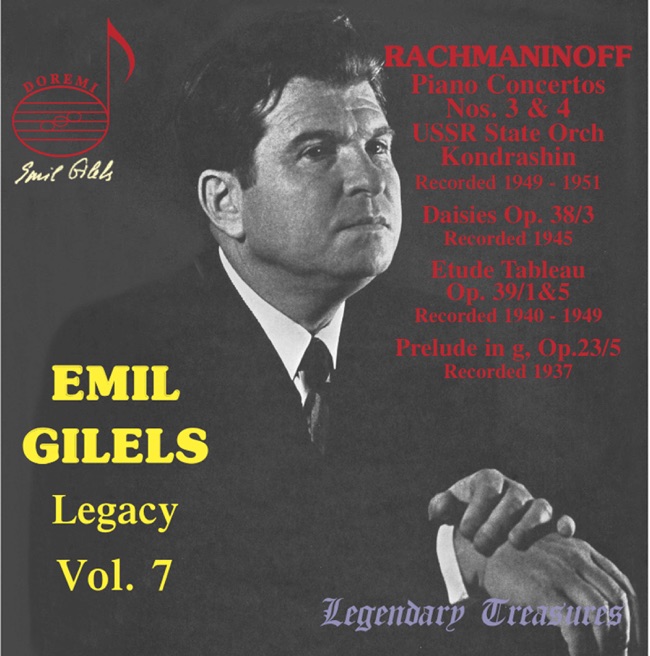 September 2, 2003
 -
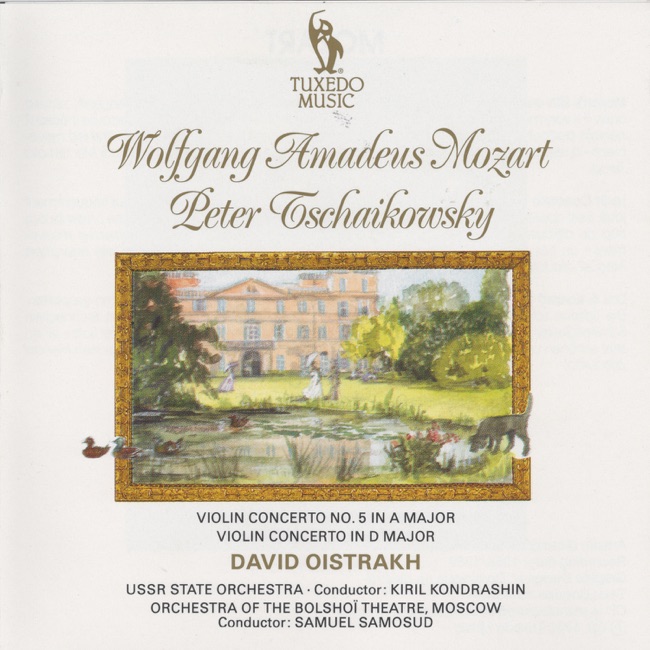 March 26, 1996
Keyboard
-
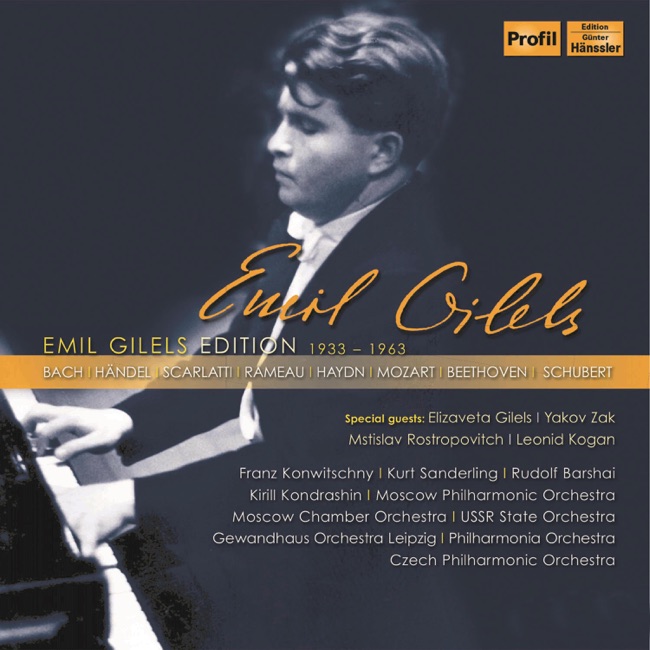 April 13, 2018
 -
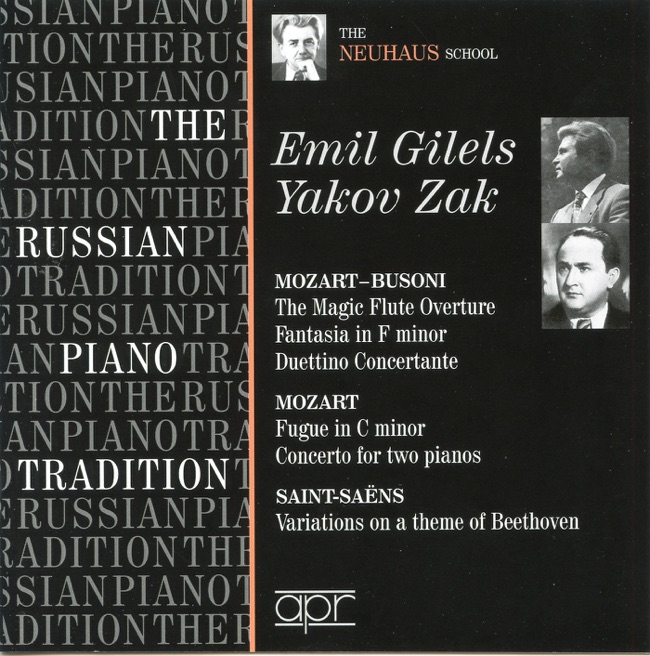 June 12, 2007
Artist Info
Role:EnsemblePeriod:RomanticModernGenre:ConcertoThe USSR State Orchestra was one of the most renowned classical music ensembles in the world. Founded in 1936, the orchestra was initially known as the State Symphony Orchestra of the USSR. It was established by the Soviet government as part of its efforts to promote classical music and showcase the country's cultural achievements to the world. The orchestra's early years were marked by a series of notable conductors, including Nikolai Malko, Alexander Gauk, and Evgeny Mravinsky. Under their leadership, the orchestra quickly gained a reputation for its technical excellence and emotional depth. Its performances of works by Russian composers such as Tchaikovsky, Rachmaninoff, and Shostakovich were particularly acclaimed. One of the orchestra's early highlights was its performance of Shostakovich's Symphony No. 5 in 1937. The work had been commissioned by the Soviet government as a response to criticism of Shostakovich's earlier works, which had been deemed too experimental and avant-garde. The premiere of the Fifth Symphony was a triumph for both the composer and the orchestra, and it remains one of the most iconic works in the classical music canon. Throughout the 1940s and 1950s, the USSR State Orchestra continued to build its reputation as one of the world's leading classical music ensembles. It performed extensively throughout the Soviet Union and toured internationally, winning acclaim for its performances of works by both Russian and Western composers. One of the orchestra's most famous performances was its 1956 rendition of Tchaikovsky's Piano Concerto No. 1, with pianist Van Cliburn as soloist. The performance, which took place in Moscow's Great Hall of the Conservatory, was a sensation both in the Soviet Union and abroad. Cliburn's virtuosic playing and the orchestra's lush accompaniment captured the hearts of audiences around the world, and the recording of the performance remains a classic of the classical music repertoire. In the 1960s and 1970s, the USSR State Orchestra continued to perform at the highest level, under the leadership of conductors such as Gennady Rozhdestvensky and Yevgeny Svetlanov. The orchestra's repertoire expanded to include works by contemporary composers such as Stravinsky, Bartok, and Prokofiev, as well as lesser-known works by Russian composers of the 19th and early 20th centuries. One of the orchestra's most notable performances of this era was its 1978 rendition of Shostakovich's Symphony No. 7, also known as the "Leningrad Symphony." The work, which was written during the siege of Leningrad in World War II, is a powerful testament to the resilience of the human spirit in the face of adversity. The orchestra's performance, which took place in the same city where the siege had occurred, was a deeply emotional and cathartic experience for both the musicians and the audience. In addition to its many performances, the USSR State Orchestra also received numerous awards and accolades throughout its history. It was awarded the title of "People's Artist of the USSR" in 1954, and in 1976 it was awarded the Lenin Prize, one of the highest honors in the Soviet Union. The orchestra's recordings were also highly acclaimed, and it won numerous awards for its albums of works by Tchaikovsky, Shostakovich, and other composers. Despite its many achievements, the USSR State Orchestra was not immune to the political upheavals that characterized the Soviet Union in the latter half of the 20th century.More....
Recent Artist Music
1
9:31

7
2:48

Copyright Ⓒ 2013 Davinci Finger. All rights reseved
Service Terms & Policy