


Karel Sejna
Released Album
Orchestral
-
 February 5, 2022
 -
 February 25, 2015
 -
-
-
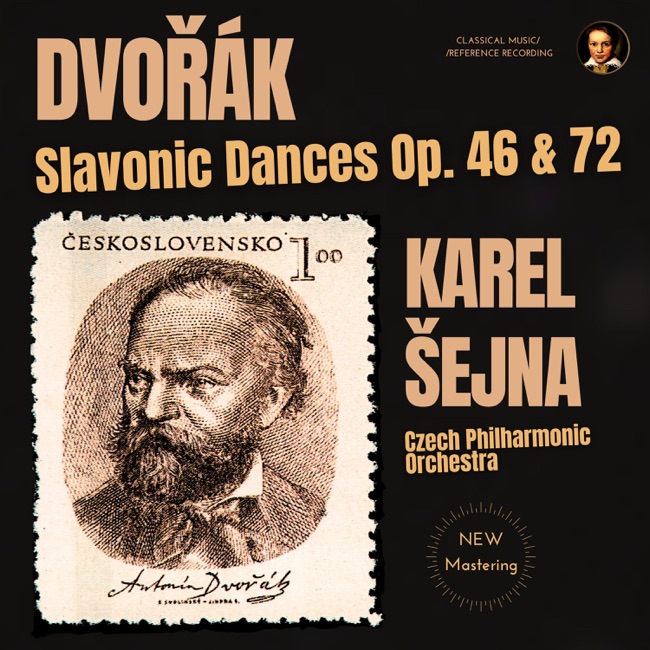 January 1, 1960
Symphony
-
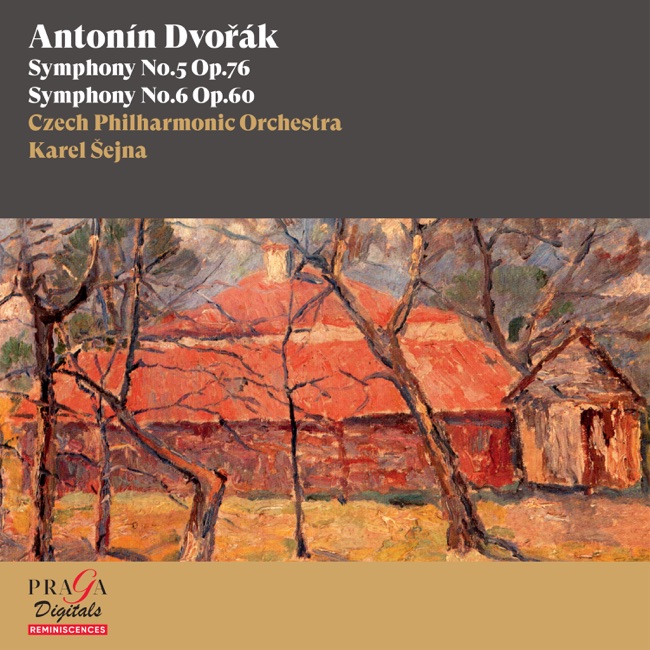 January 1, 2018
 -
 March 23, 2012
 -
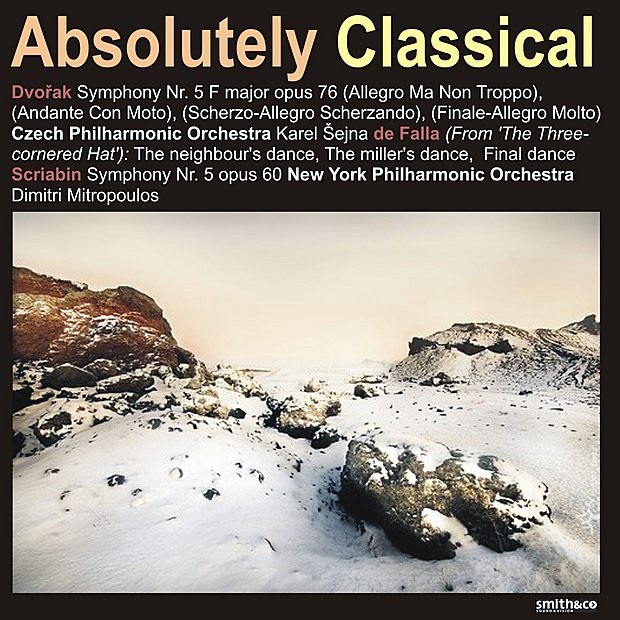
-
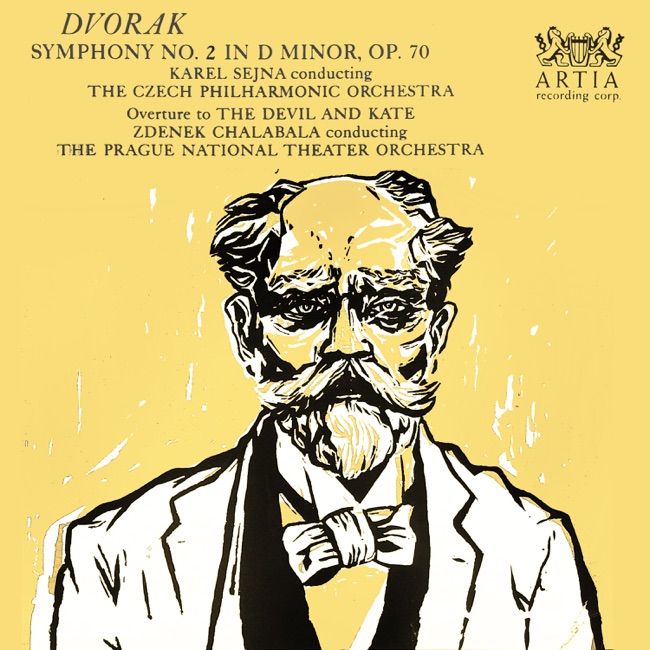
Opera
-
 April 8, 2015
Artist Info
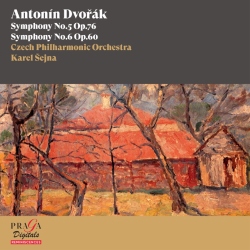
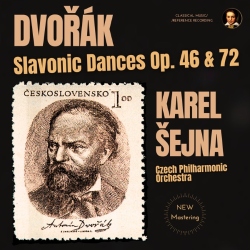
Role:Conductor PerformerCountry: Czech RepublicBirth:November 1, 1896 in Zálezly, CzechoslovakiaDeath:December 17, 1982 in Prague, Czech RepublicPeriod:RomanticGenre:OrchestralSymphonyKarel Sejna was a Czech conductor and composer who was born on August 24, 1896, in Prague, Czech Republic. He was born into a family of musicians, and his father was a well-known conductor and composer. Sejna began his musical education at a young age, studying piano and violin. He later attended the Prague Conservatory, where he studied composition and conducting. After completing his studies, Sejna began his career as a conductor, working with various orchestras in Czechoslovakia. In 1926, he became the conductor of the Czech Philharmonic Orchestra, a position he held for 20 years. During his tenure with the orchestra, Sejna became known for his interpretations of the works of Czech composers such as Antonín Dvořák and Bedřich Smetana. Sejna's career as a conductor took him all over the world, and he conducted many of the world's leading orchestras, including the Berlin Philharmonic, the Vienna Philharmonic, and the London Symphony Orchestra. He was also a frequent guest conductor at the Salzburg Festival and the Bayreuth Festival. One of Sejna's most notable performances was his 1956 recording of Dvořák's Symphony No. 9, "From the New World," with the Czech Philharmonic Orchestra. The recording was widely praised and is still considered one of the definitive recordings of the work. In addition to his work as a conductor, Sejna was also a composer. He wrote several orchestral works, including a symphony and a suite for orchestra. However, his compositions are not as well-known as his conducting. Sejna's career was not without controversy. In 1948, he was dismissed from his position as conductor of the Czech Philharmonic Orchestra by the communist government. The reasons for his dismissal are unclear, but it is believed to have been politically motivated. Sejna was later rehabilitated and allowed to conduct again, but his career never fully recovered from the setback. Despite the challenges he faced, Sejna remained dedicated to his art. He continued to conduct and compose until his death on June 25, 1982, in Prague. Today, he is remembered as one of the great conductors of the 20th century, particularly for his interpretations of Czech music.More....
Recent Artist Music

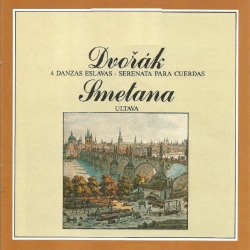
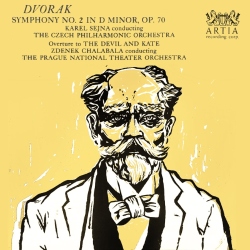
7
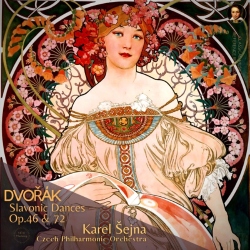
3:46
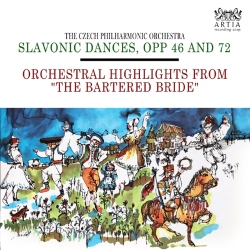
11
4:43

Copyright Ⓒ 2013 Davinci Finger. All rights reseved
Service Terms & Policy