


The Academic Orchestra of All-Union Radio and Television
Released Album
Opera
-
 May 15, 2020
 -
 March 11, 2013
 -
Symphony
-
 September 4, 2017
Orchestral
-
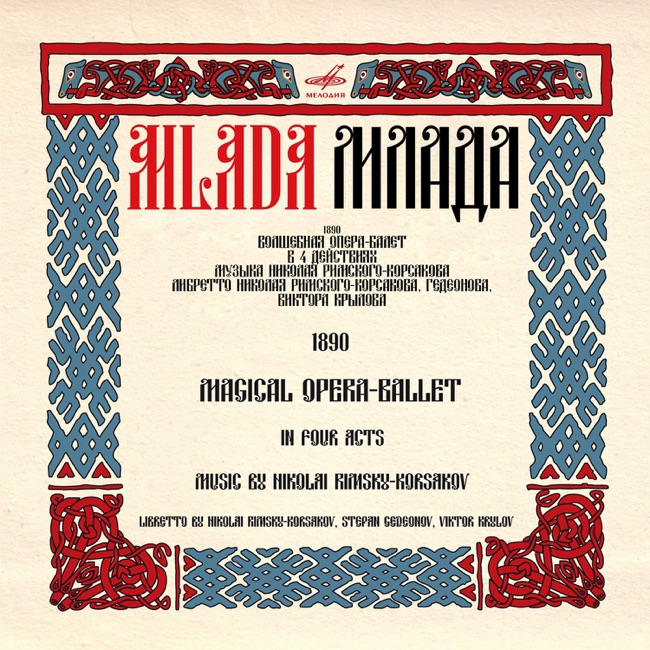 January 1, 2011
Artist Info
The Academic Orchestra of All-Union Radio and Television, also known as the USSR State Radio and Television Symphony Orchestra, was one of the most prominent classical music ensembles in the Soviet Union. Founded in 1930, the orchestra quickly gained a reputation for its high-quality performances and became a symbol of Soviet cultural excellence. The orchestra was founded by Nikolai Golovanov, a renowned conductor and composer who had previously worked with the Bolshoi Theatre and the Moscow Philharmonic Orchestra. Golovanov was appointed as the orchestra's first artistic director and conductor, and he remained in this position until 1948. Under his leadership, the orchestra developed a distinctive sound and style that was characterized by its precision, clarity, and emotional intensity. The orchestra's main members included some of the most talented musicians in the Soviet Union, many of whom had studied at the Moscow Conservatory or other prestigious music schools. Among the orchestra's most notable members were the violinist David Oistrakh, the cellist Mstislav Rostropovich, and the pianist Emil Gilels, all of whom went on to achieve international fame and acclaim. Throughout its history, the orchestra performed a wide range of classical music repertoire, including works by Russian composers such as Tchaikovsky, Rachmaninoff, and Shostakovich, as well as works by European composers such as Beethoven, Mozart, and Brahms. The orchestra also premiered many new works by Soviet composers, including Prokofiev's Symphony No. 5 and Shostakovich's Symphony No. 7. One of the orchestra's most notable performances took place in 1941, during the Siege of Leningrad. Despite the difficult conditions of the siege, the orchestra continued to perform regular concerts, providing a source of inspiration and hope for the city's residents. In August of that year, the orchestra performed a historic concert in the city's Philharmonic Hall, which was broadcast live on the radio and heard by millions of people across the Soviet Union. The concert included a performance of Shostakovich's Symphony No. 7, which had been written in response to the siege and was dedicated to the people of Leningrad. The performance was a powerful symbol of Soviet resilience and determination in the face of adversity. Over the years, the orchestra received numerous awards and honors for its performances and recordings. In 1950, the orchestra was awarded the Stalin Prize, one of the highest honors in the Soviet Union, for its recording of Tchaikovsky's Symphony No. 5. The orchestra also won several international awards, including the Grand Prix at the International Festival of Contemporary Music in Venice in 1960. Despite its many achievements, the orchestra faced some challenges in the later years of the Soviet Union. As the country's political and economic situation became more unstable, funding for the arts became more scarce, and the orchestra struggled to maintain its high standards. In 1991, following the collapse of the Soviet Union, the orchestra was disbanded, and many of its members went on to pursue successful careers as soloists or members of other orchestras. Today, the legacy of the Academic Orchestra of All-Union Radio and Television lives on through its many recordings and performances, which continue to inspire and delight audiences around the world.More....
Recent Artist Music
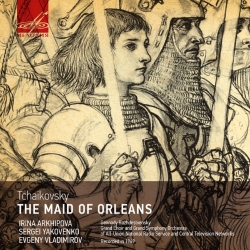
2
21:27
3
15:48
4
21:30
Copyright Ⓒ 2013 Davinci Finger. All rights reseved
Service Terms & Policy