


Thoinot Arbeau
Released Album
Chamber
-
 March 3, 2023
 -
 June 12, 2020
 -
 May 4, 2018
 -
 March 17, 2017
 -
 March 1, 2012
 -
 March 11, 2011
Miscellaneous
-
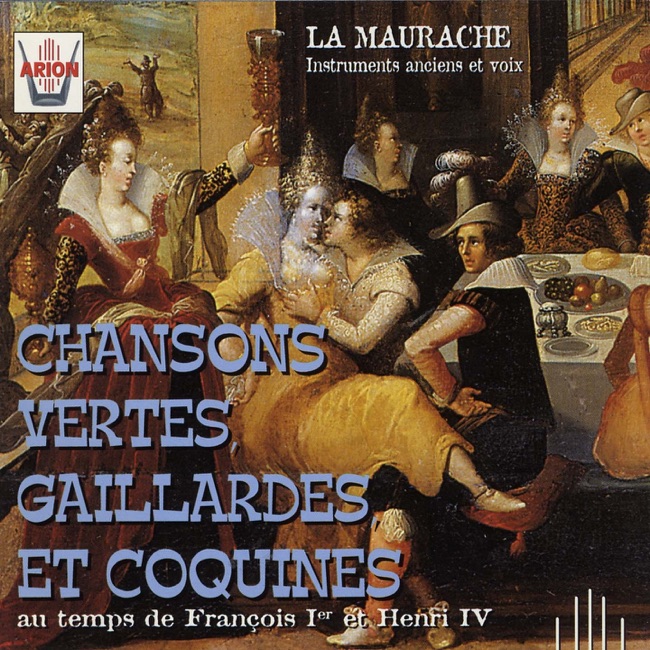 January 17, 2000
 -
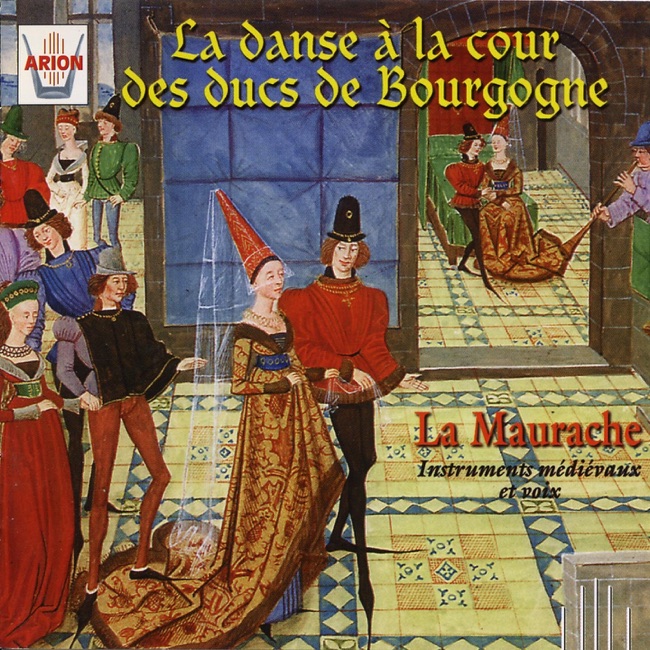 October 1, 1999
Choral
-
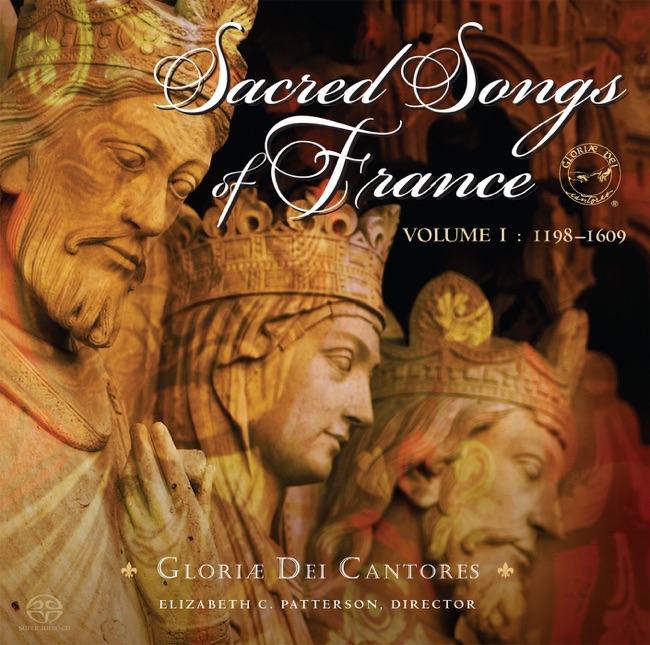 December 1, 2012
Artist Info
Role:ComposerCountry: FranceBirth:March 17, 1520 in Dijon, FranceDeath:July 23, 1595 in Langres, FrancePeriod:RenaissanceBaroqueGenre:ChamberThoinot Arbeau was a French composer, music theorist, and dance instructor who lived during the Renaissance period. He was born Jehan Tabourot in Dijon, France, in 1520, and later adopted the name Thoinot Arbeau as a pseudonym. Arbeau is best known for his work as a dance instructor and his treatise on dance, "Orchesography," which was published in 1588. Arbeau's early life is not well-documented, but it is believed that he received a classical education and studied music and dance. He may have also studied law, as he later worked as a lawyer in Langres, France. However, Arbeau's true passion was music, and he eventually left his legal career to pursue music full-time. Arbeau's first known musical work is a chanson called "Belle qui tiens ma vie" ("Beautiful One Who Holds My Life"), which he composed in 1550. The chanson was a popular form of secular song in France during the Renaissance, and Arbeau went on to compose many more chansons throughout his career. In addition to his work as a composer, Arbeau was also a dance instructor. He was appointed as the official dance instructor at the court of Henry III of France in 1571, and he later taught dance to the nobility and upper classes throughout France. Arbeau's "Orchesography" is a treatise on dance that provides detailed instructions on how to perform various dances, including the pavane, galliard, and branle. The book also includes illustrations of the steps and positions for each dance. Arbeau's "Orchesography" was a groundbreaking work that helped to standardize dance notation and terminology. It was also an important source of information on the social and cultural practices of the Renaissance period. The book was widely read and influential, and it remains an important resource for scholars of Renaissance dance today. Arbeau's musical output was diverse and included chansons, instrumental music, and sacred music. He was particularly skilled at writing music for the lute, a popular instrument during the Renaissance. Arbeau's lute music is characterized by its intricate melodies and complex harmonies, and it is still performed by lutenists today. One of Arbeau's most famous works is the "Pavane," a stately dance that was popular in the Renaissance period. The "Pavane" is a slow, processional dance that is typically performed in pairs. Arbeau's "Pavane" is a beautiful and elegant piece of music that has been arranged for many different instruments and ensembles over the years. Another notable work by Arbeau is the "Branle de l'Official," a lively dance that was popular in France during the Renaissance. The "Branle de l'Official" is a fast-paced dance that is typically performed in a circle or line. Arbeau's version of the dance is characterized by its catchy melody and energetic rhythm. Arbeau's sacred music includes several motets and hymns, which were composed for use in the Catholic Church. His sacred music is notable for its simple, yet beautiful melodies and harmonies. Arbeau's "Ave Maria" is a particularly lovely piece of music that is still performed in churches today. In addition to his work as a composer and dance instructor, Arbeau was also a respected music theorist. He wrote several treatises on music theory, including "Nouveau recueil de chants et de danses" ("New Collection of Songs and Dances"), which was published in 1557.More....
Recent Artist Music










Copyright Ⓒ 2013 Davinci Finger. All rights reseved
Service Terms & Policy