


Thoinot Arbeau
Orchesographie for winds
Released Album
Recent Album
Featured Album
Works Info
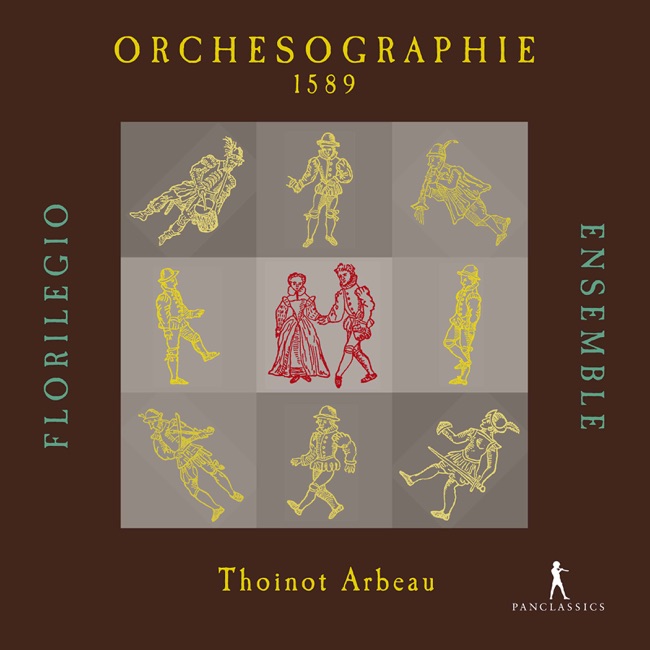
Composer:Thoinot ArbeauGenre:ChamberStyle:Chamber MusicCompose Date:1588Average_duration:45:41Orchesographie for winds is a collection of dance music composed by Thoinot Arbeau, a French cleric and music theorist. The work was first published in 1589 and is considered one of the most important sources of information on Renaissance dance music. The Orchesographie for winds is divided into four sections or movements, each of which contains a number of dances. The first movement is dedicated to branles, a type of French dance that was popular in the 16th century. The second movement contains pavanes, a slow and stately dance that was often performed at court. The third movement is dedicated to galliards, a lively dance that was often performed after the pavane. The final movement contains a variety of other dances, including allemandes, courantes, and sarabandes. One of the most notable characteristics of the Orchesographie for winds is its use of descriptive text to accompany the music. Arbeau provides detailed instructions on how each dance should be performed, including the steps, the rhythm, and the style. This makes the work an invaluable resource for historians and dancers alike, as it provides a glimpse into the world of Renaissance dance. Another characteristic of the Orchesographie for winds is its use of instrumentation. The work is scored for a variety of wind instruments, including recorders, shawms, and cornets. This gives the music a bright and lively sound that is well-suited to the dance rhythms. The Orchesographie for winds premiered in the late 16th century and quickly became popular throughout Europe. It was widely used as a source of dance music for both courtly and popular dances, and its influence can be seen in the music of later composers such as Johann Sebastian Bach. Overall, the Orchesographie for winds is an important work that provides a valuable insight into the world of Renaissance dance music. Its descriptive text and lively instrumentation make it a joy to listen to and a valuable resource for historians and dancers alike.More....
Works Music
Released Music

2
Orchesography for winds
Pavane "Belle qui tiens ma vie", Gaillarde "La Traditore my fa morire", Gaillarde Anthoinette, Gaillarde "J'aymerois mieulx dormir seulette"
7:7
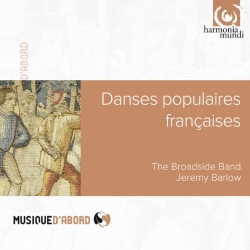
Featured Music
Main Perform Artists