


Anthony Braxton
Released Album
Miscellaneous
-
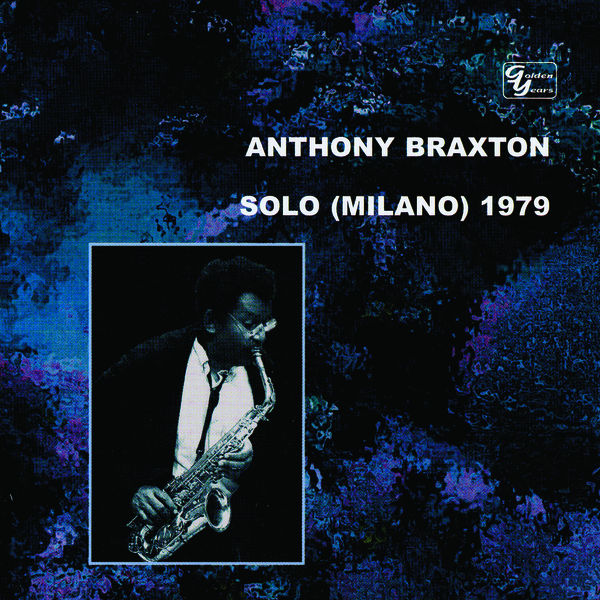 May 16, 2006
 -
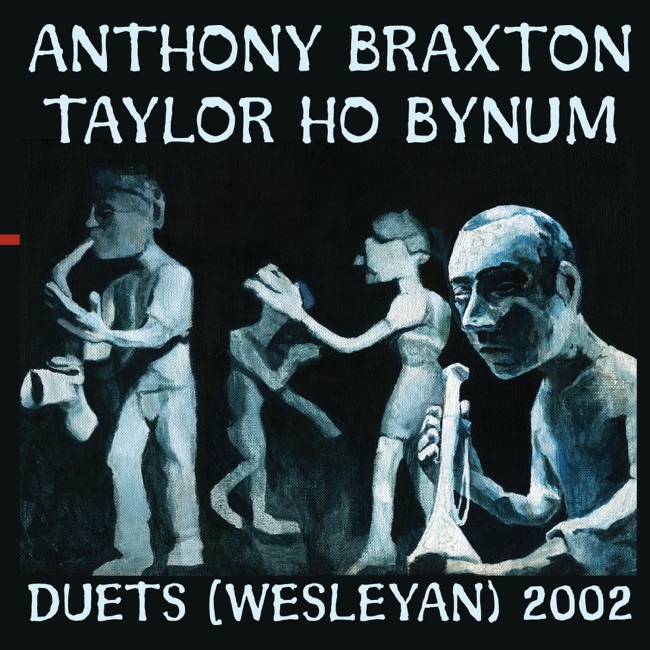 December 10, 2002
 -
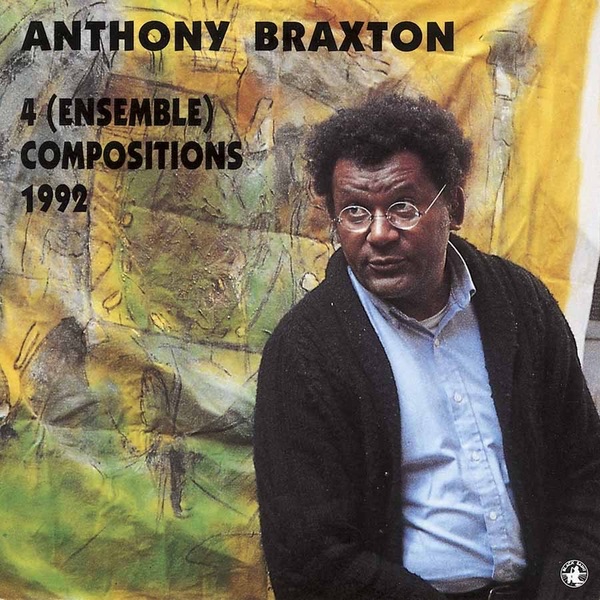 December 28, 1993
 -
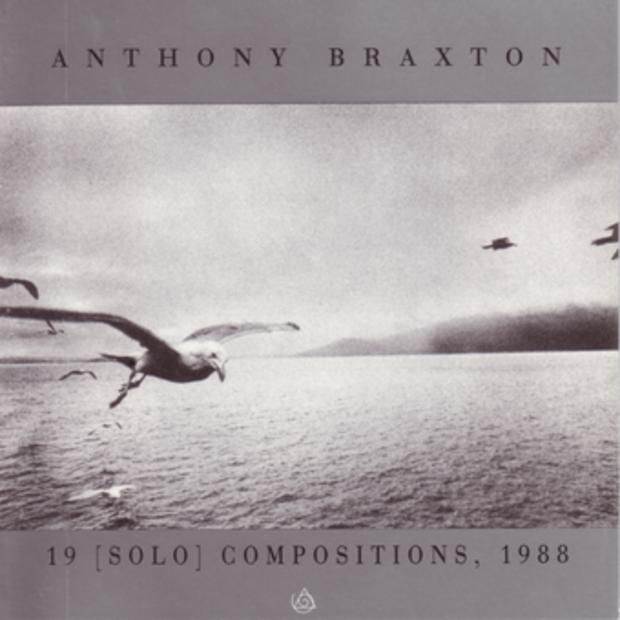 January 1, 1989
Chamber
-
 September 15, 2018
 -
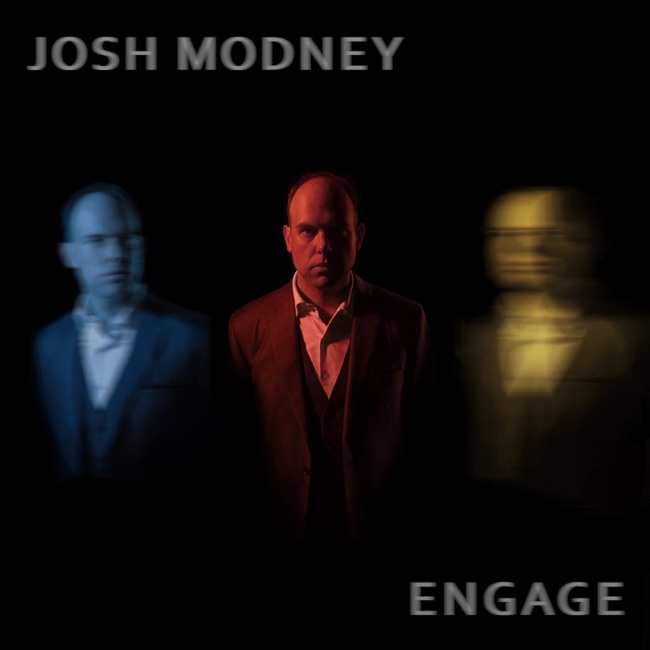 August 3, 2018
Electronic/Computer
-
 October 8, 2007
Artist Info
Role:Composer ConductorCountry: United States of AmericaBirth:June 4, 1945 in Chicago, ILGenre:Avant-GardeAnthony Braxton is a renowned American composer and multi-instrumentalist who has made significant contributions to the world of contemporary classical music. Born on June 4, 1945, in Chicago, Illinois, Braxton grew up in a musical family and began playing the piano at a young age. His mother was a singer and his father played the saxophone, which inspired Braxton to pursue a career in music. Braxton attended the Chicago School of Music and later the Roosevelt University, where he studied composition and saxophone. He was heavily influenced by the avant-garde jazz movement of the 1960s and began experimenting with new forms of improvisation and composition. In 1968, he joined the Association for the Advancement of Creative Musicians (AACM), a collective of musicians dedicated to exploring new forms of jazz and classical music. Braxton's early works were heavily influenced by the free jazz movement, but he soon began to develop his own unique style. He was particularly interested in exploring the relationship between improvisation and composition, and his works often blurred the line between the two. He also experimented with new forms of notation, creating complex graphic scores that allowed for greater improvisation and interpretation. One of Braxton's most significant works is his Composition No. 1, which he composed in 1968. The piece is a graphic score that allows for a great deal of improvisation and interpretation by the performers. It was a groundbreaking work that helped to establish Braxton as a leading figure in the avant-garde music scene. In the 1970s, Braxton began to explore new forms of electronic music, incorporating synthesizers and other electronic instruments into his compositions. He also began to experiment with new forms of notation, including a system of numbered grids that allowed for greater precision and control over the performance. One of Braxton's most ambitious works is his Composition No. 19, which he composed in 1971. The piece is a massive work that requires a large ensemble of musicians and incorporates elements of free jazz, classical music, and electronic music. It is a complex and challenging work that has been hailed as a masterpiece of contemporary classical music. Braxton continued to push the boundaries of contemporary classical music throughout the 1980s and 1990s. He composed a series of works for solo saxophone that explored the full range of the instrument's capabilities. He also continued to experiment with new forms of notation and electronic music, incorporating elements of hip-hop and other popular music genres into his compositions. In 1994, Braxton was awarded a MacArthur Fellowship, also known as the "genius grant," in recognition of his contributions to contemporary classical music. He has also been awarded numerous other honors and awards throughout his career, including a Guggenheim Fellowship and a National Endowment for the Arts Jazz Masters Fellowship. Today, Braxton continues to compose and perform music, and his influence can be heard in the work of countless contemporary classical composers and performers. He remains a leading figure in the avant-garde music scene and a true innovator in the world of contemporary classical music.More....
Recent Artist Music
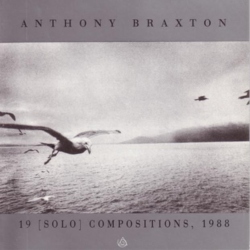
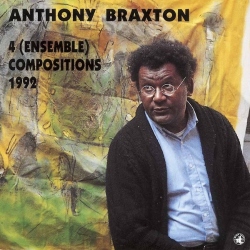
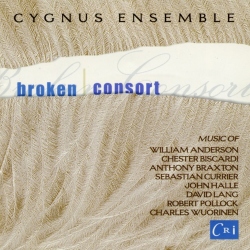
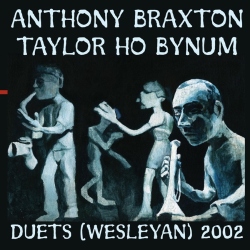

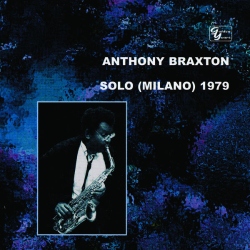
7
5:48

Related Artists
Copyright Ⓒ 2013 Davinci Finger. All rights reseved
Service Terms & Policy