


Russian Traditional
Released Album
Vocal
-
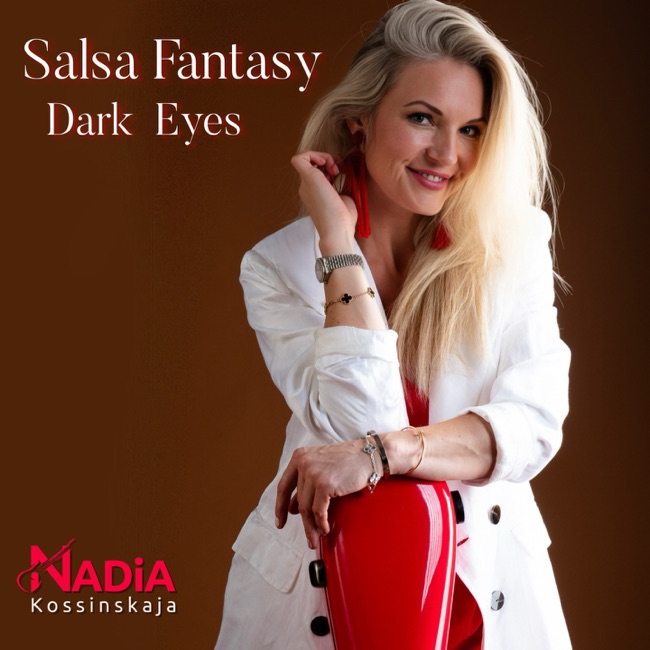 March 22, 2024
 -
 November 3, 2023
 -
 August 27, 2021
 -
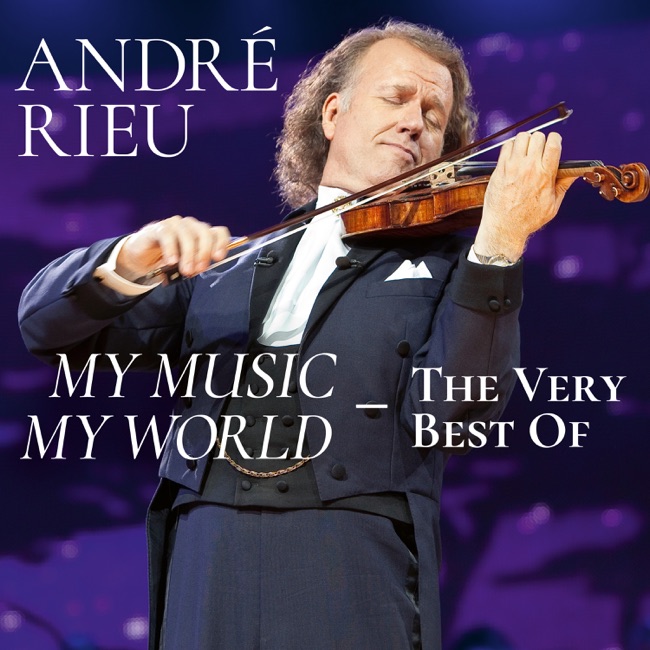 September 20, 2019
 -
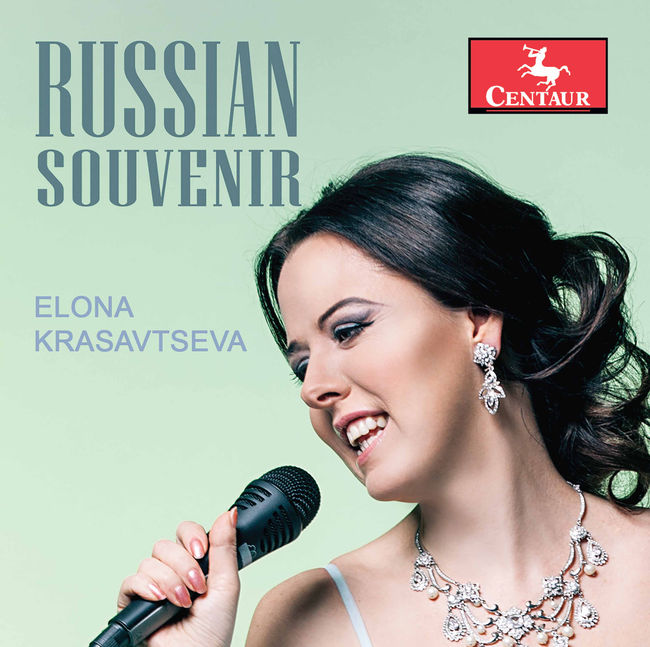 October 6, 2017
 -
 April 8, 2016
Miscellaneous
-
 May 7, 2013
Choral
-
 June 8, 2010
 -
 August 4, 2003
 -
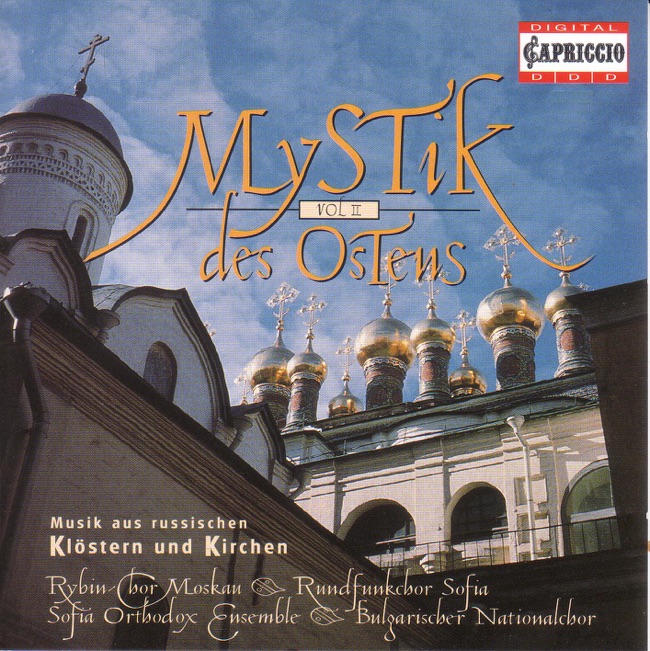 April 8, 1997
Chamber
-
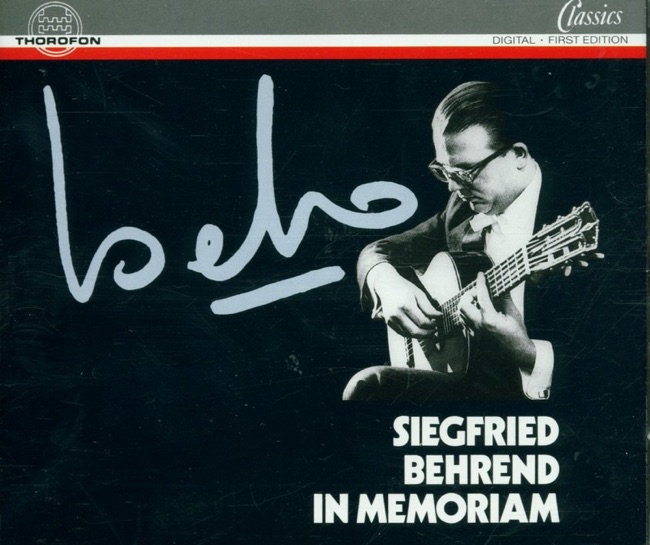 November 15, 2008
 -
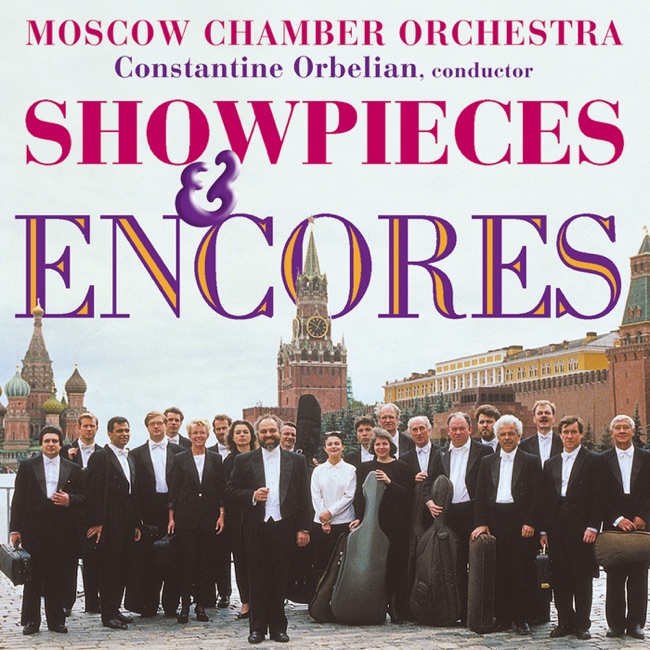 February 14, 2002
 -
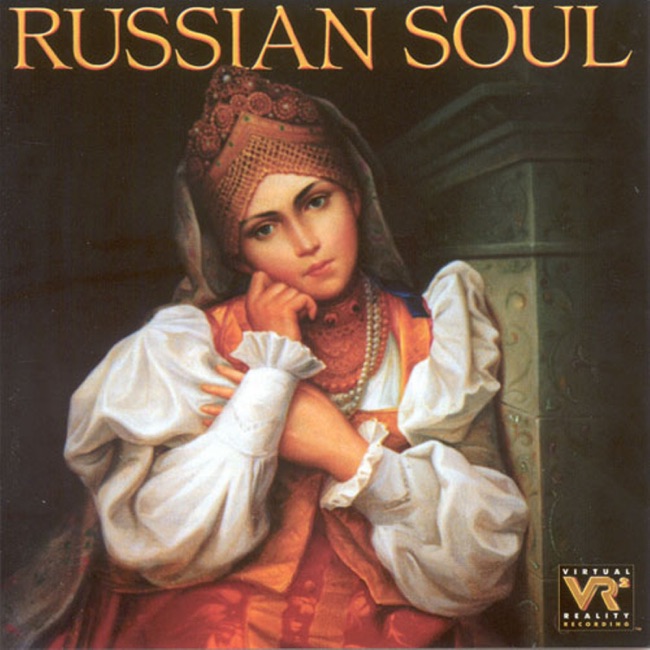 May 25, 1999
Artist Info
Role:ComposerGenre:VocalRussian Traditional is not a single composer, but rather a term used to describe the vast array of classical music that has been created in Russia over the centuries. Russian classical music has a rich and complex history, with influences from both Western Europe and the unique cultural traditions of Russia. The earliest known Russian music dates back to the 10th century, when the Eastern Slavs first adopted Christianity and began to develop their own liturgical music. Over the centuries, this music evolved into a distinct style known as Russian Orthodox chant, which is still performed in churches throughout Russia today. In the 18th century, Russia began to emerge as a major cultural power in Europe, and the country's rulers began to invest heavily in the arts. This led to the establishment of the first Russian music schools, and the development of a new style of classical music that blended elements of Western European music with traditional Russian folk melodies. One of the most important figures in the early development of Russian classical music was Mikhail Glinka, who is often referred to as the "father of Russian classical music." Glinka was born in 1804 in the village of Novospasskoye, and began studying music at a young age. He was heavily influenced by the Italian opera composers of his time, but also drew inspiration from Russian folk music. Glinka's most famous work is his opera "A Life for the Tsar," which premiered in 1836. The opera tells the story of Ivan Susanin, a Russian peasant who sacrifices his life to lead Polish invaders astray in the forest, allowing the Russian army to defeat them. The opera was a huge success, and helped to establish Glinka as one of the leading composers of his time. Another important figure in the early development of Russian classical music was Pyotr Ilyich Tchaikovsky. Tchaikovsky was born in 1840 in Votkinsk, and began studying music at the age of five. He went on to study at the St. Petersburg Conservatory, where he was heavily influenced by the German composer Franz Liszt. Tchaikovsky's most famous works include his ballets "Swan Lake," "The Nutcracker," and "Sleeping Beauty," as well as his symphonies and operas. His music is known for its emotional intensity and lush orchestration, and has become a staple of the classical music repertoire. In the late 19th and early 20th centuries, Russian classical music underwent a period of intense experimentation and innovation. Composers such as Igor Stravinsky, Sergei Prokofiev, and Dmitri Shostakovich began to push the boundaries of traditional classical music, incorporating elements of jazz, folk music, and even atonality into their compositions. Stravinsky, who was born in St. Petersburg in 1882, is perhaps best known for his ballets "The Rite of Spring" and "Petrushka." These works caused a sensation when they premiered in Paris in 1913, due to their unconventional rhythms and dissonant harmonies. Prokofiev, who was born in Sontsovka in 1891, was also known for his innovative approach to classical music. His most famous works include his ballet "Romeo and Juliet," his opera "War and Peace," and his "Peter and the Wolf" children's story. Shostakovich, who was born in St. Petersburg in 1906, is perhaps the most controversial of the three composers. His music was heavily censored by the Soviet government, and he often had to toe the party line in order to avoid persecution.More....
Recent Artist Music


Copyright Ⓒ 2013 Davinci Finger. All rights reseved
Service Terms & Policy