


Paul Robeson
Released Album
Vocal
-
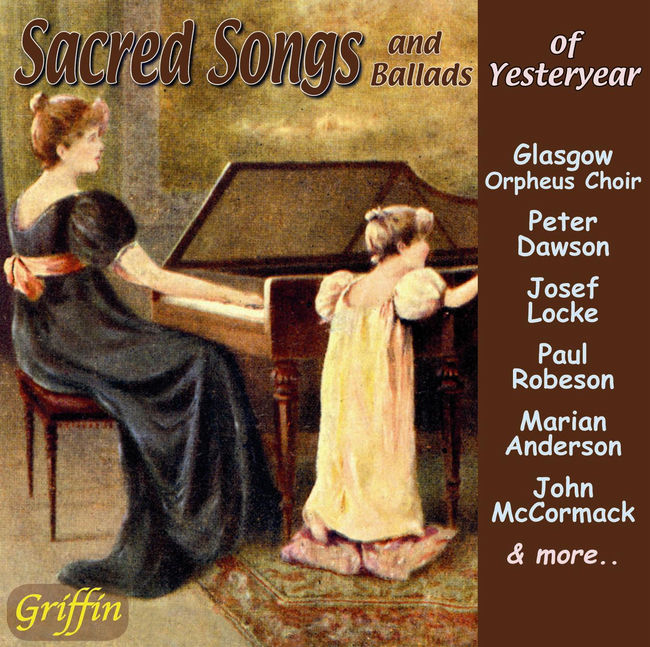 August 16, 2011
 -
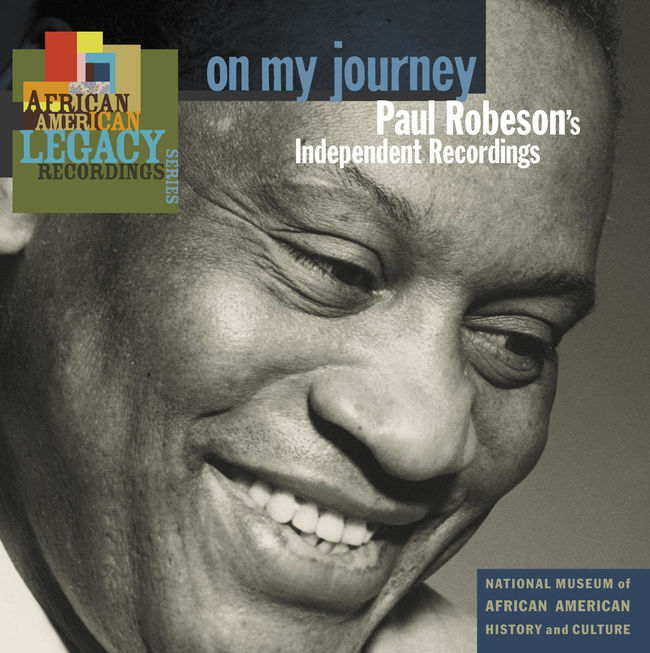 August 28, 2007
Miscellaneous
-
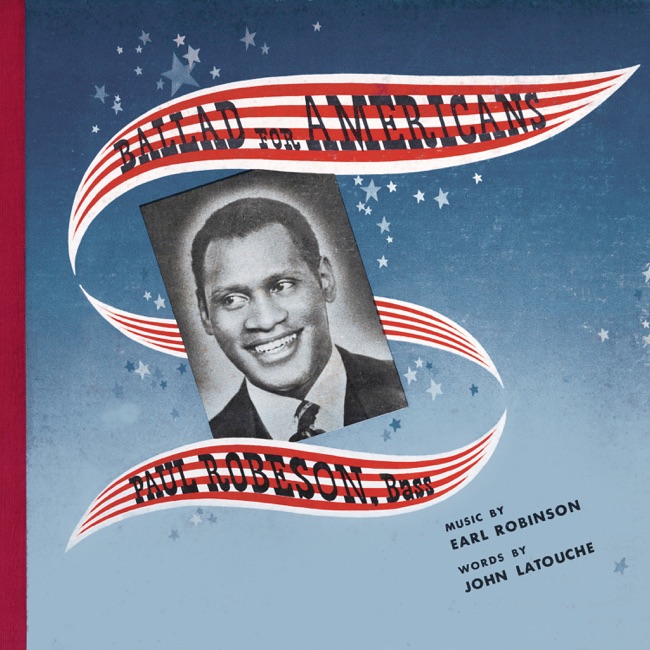 January 1, 1940
Musical Theatre
-
 October 19, 2004
Artist Info
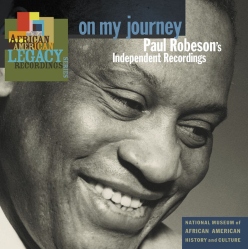
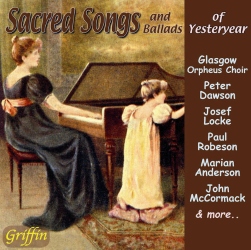
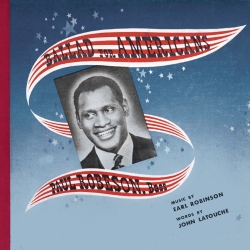
Role:Composer ConductorCountry: United States of AmericaBirth:April 9, 1898 in Princeton, NJDeath:January 23, 1976 in Philadelphia, PAPaul Robeson was a renowned classical music artist, actor, and civil rights activist. He was born on April 9, 1898, in Princeton, New Jersey, to a father who was a former slave and a mother who was from a prominent Quaker family. Robeson's parents instilled in him a strong sense of social justice and equality, which would later shape his career as an artist and activist. Robeson's musical talent was evident from a young age. He began singing in church choirs and school productions, and by the time he entered Rutgers University in 1915, he was already a skilled vocalist. At Rutgers, Robeson excelled both academically and athletically, becoming one of the school's top football players. He also continued to pursue his passion for music, joining the glee club and performing in local productions. After graduating from Rutgers in 1919, Robeson attended Columbia Law School, but he soon realized that his true calling was in the arts. He began studying voice with renowned vocal coach Enrico Rosati and made his professional debut in 1920 in a production of "Shuffle Along," a popular Broadway musical. Robeson's powerful bass-baritone voice and commanding stage presence quickly made him a sought-after performer, and he went on to star in several other Broadway productions, including "The Emperor Jones" and "Show Boat." Robeson's success on the stage led to a career in film as well. He appeared in several movies throughout the 1930s and 1940s, including "Sanders of the River" and "The Proud Valley." However, Robeson's film career was hampered by the racism and discrimination he faced in Hollywood, and he eventually turned his focus back to the stage and concert hall. Robeson's greatest success as a classical music artist came in the 1930s and 1940s, when he became one of the most celebrated concert singers of his time. He performed in venues around the world, including Carnegie Hall in New York City and the Royal Albert Hall in London. Robeson's repertoire included a wide range of music, from traditional spirituals and folk songs to classical arias and art songs. He was particularly known for his renditions of "Ol' Man River" from "Show Boat" and "Ballad for Americans," a patriotic song that became a signature piece for him. Robeson's performances were not only musically impressive, but also politically significant. He used his platform as a performer to advocate for civil rights and social justice, speaking out against racism and oppression both in the United States and abroad. Robeson's activism often put him at odds with the government and other powerful institutions, and he was frequently targeted by the FBI and other law enforcement agencies. Despite the challenges he faced, Robeson continued to perform and speak out for his beliefs throughout his career. He received numerous awards and honors for his contributions to music and activism, including the NAACP's Spingarn Medal in 1945 and the Stalin Peace Prize in 1952. However, Robeson's career was cut short in the 1950s when he was blacklisted by the entertainment industry and his passport was revoked by the U.S. government. He spent much of the rest of his life in seclusion, but his legacy as a musician and activist continues to inspire generations of artists and activists today.More....
Recent Artist Music

3
2:27
Related Artists
Copyright Ⓒ 2013 Davinci Finger. All rights reseved
Service Terms & Policy