


Etienne-Nicolas Méhul
Released Album
Opera
-
 March 1, 2024
 -
 November 17, 2023
 -
 October 15, 2021
 -
 May 8, 2020
 -
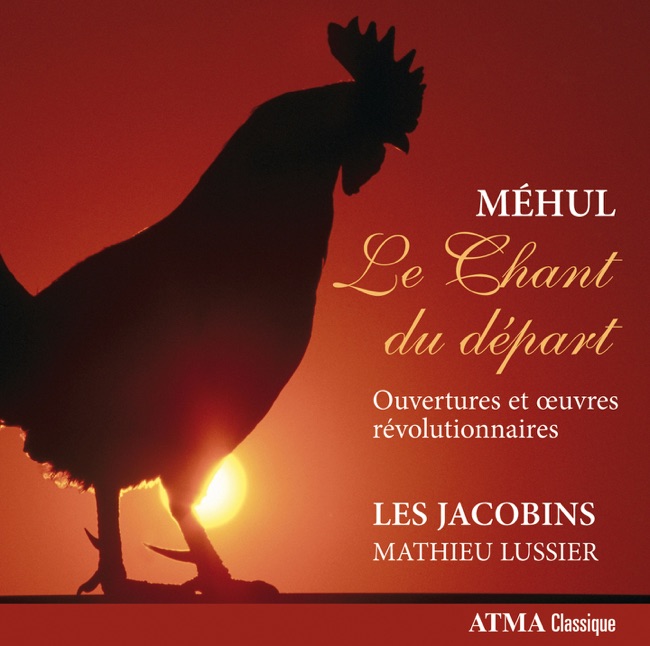 January 29, 2013
 -

Symphony
-
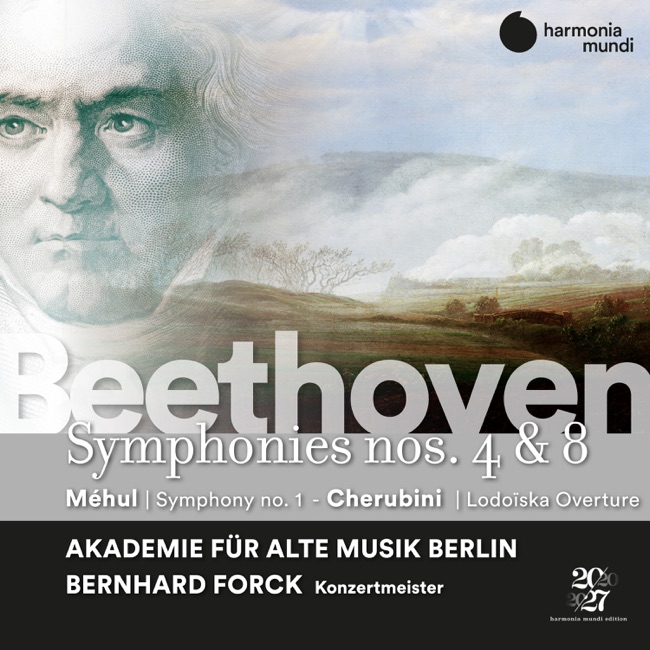
-
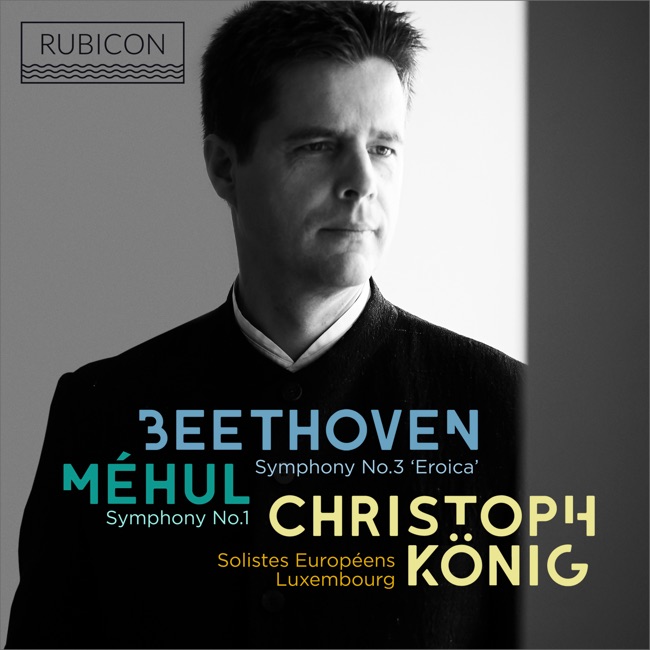 December 15, 2017
 -
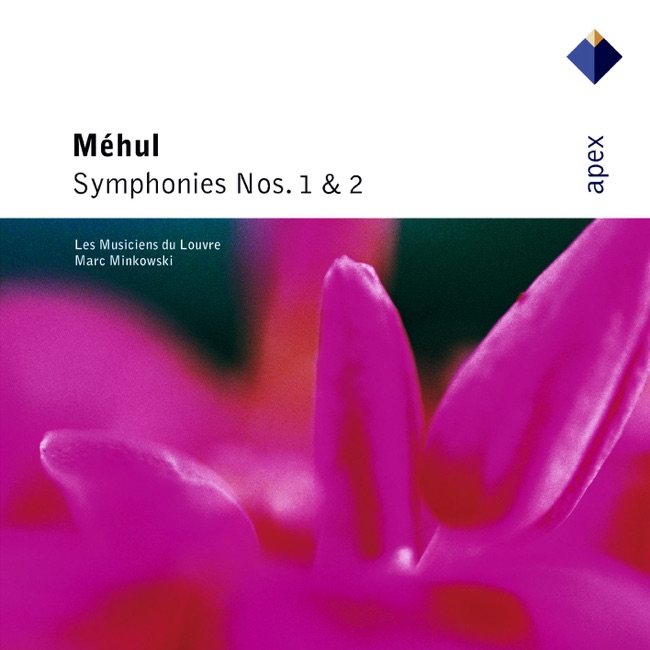 May 22, 2007
 -
-
-
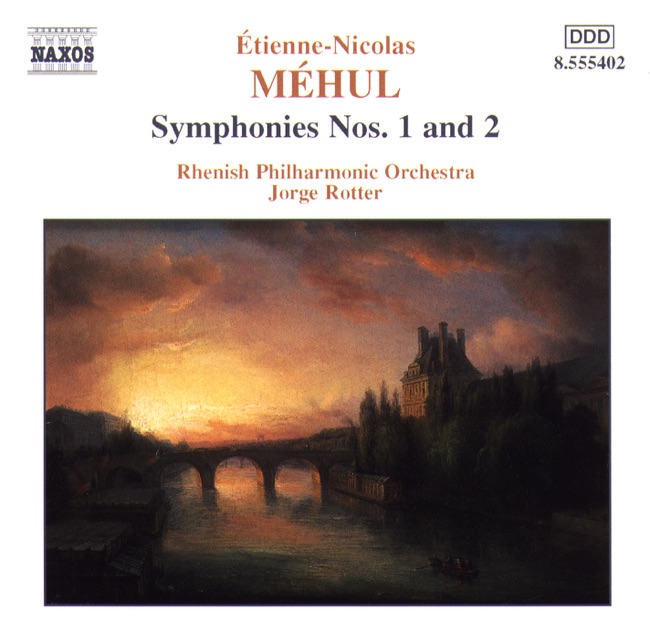 April 1, 2001
Orchestral
-
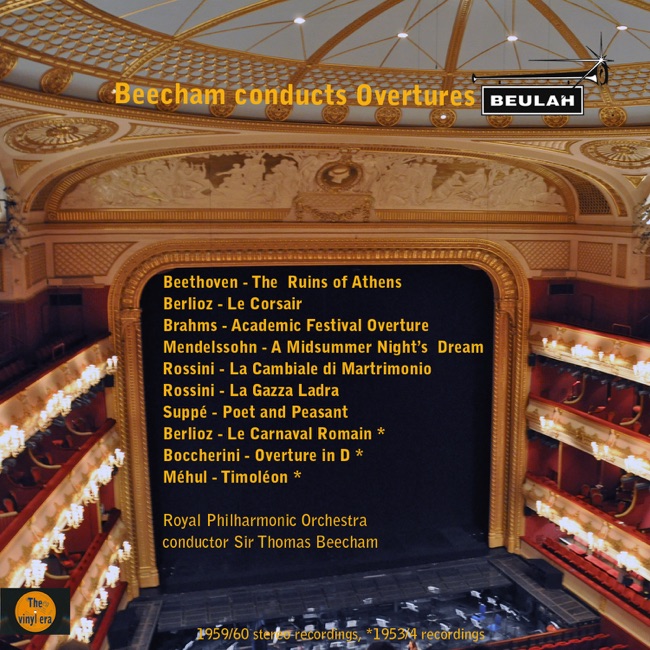 November 22, 2016
Band
-
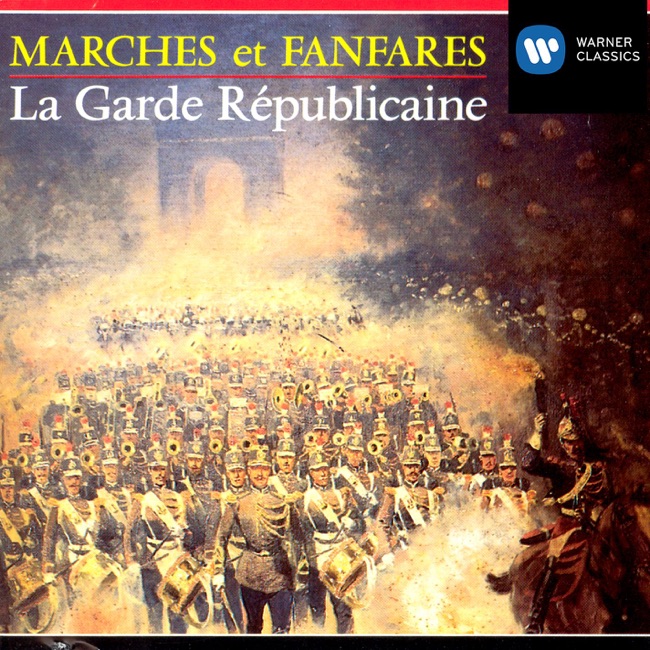 January 13, 2008
Artist Info
Role:ComposerCountry: FranceBirth:June 22, 1763 in Givet, Ardennes, FranceDeath:October 18, 1817 in Paris, FrancePeriod:RomanticGenre:OperaSymphonyEtienne-Nicolas Méhul was a French composer who lived from 22 June 1763 to 18 October 1817. He was born in Givet, a small town in the Ardennes region of France. His father was a military bandmaster, and his mother was a singer. Méhul showed an early interest in music and began studying the piano and violin at a young age. He later studied composition with Jean-François Le Sueur, a prominent composer of the time. Méhul's early works were influenced by the music of Christoph Willibald Gluck and Jean-Philippe Rameau. He wrote his first opera, "Coronis," in 1786, which was well-received and led to commissions for other operas. His most successful opera, "Euphrosine et Coradin," premiered in 1790 and was performed over 200 times during his lifetime. In addition to his operas, Méhul composed a number of instrumental works, including symphonies, string quartets, and piano sonatas. His Symphony No. 1 in G minor, written in 1787, was one of the first symphonies by a French composer to be performed in England. His Symphony No. 2 in D major, written in 1808, was dedicated to Napoleon Bonaparte, who was a fan of Méhul's music. Méhul was known for his use of dramatic and expressive harmonies, as well as his innovative orchestration. He was also interested in the use of folk music in his compositions, and incorporated elements of French folk music into many of his works. Despite his success as a composer, Méhul struggled financially throughout his life. He was never able to secure a permanent position at a major opera house, and often had to rely on commissions from private patrons. He also suffered from poor health, which limited his ability to work. Méhul's career was cut short by his untimely death in 1817 at the age of 54. However, his influence on French music continued long after his death. His use of expressive harmonies and innovative orchestration had a significant impact on the development of French Romantic music in the 19th century. His operas, in particular, were admired by composers such as Hector Berlioz and Richard Wagner. Today, Méhul is perhaps best known for his opera "Joseph," which premiered in 1807. The opera tells the story of Joseph and his brothers, and features a number of memorable arias and ensembles. It was one of the first French operas to use a chorus as a major dramatic element, and was praised for its innovative use of orchestration. In conclusion, Etienne-Nicolas Méhul was a talented and innovative composer who made significant contributions to French music during the late 18th and early 19th centuries. His use of expressive harmonies and innovative orchestration had a lasting impact on the development of French Romantic music, and his operas continue to be admired and performed today. Despite his struggles with finances and health, Méhul remained dedicated to his craft throughout his life, and his legacy as a composer continues to be celebrated by music lovers around the world.More....
Recent Artist Music
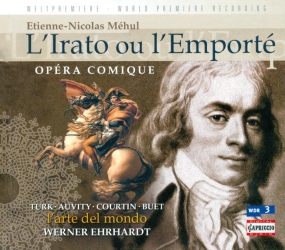
3
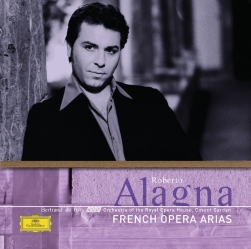
Joseph
Act 1. Récitatif et Air: "Vainement Pharaon dans sa reconnaissance... Champs paternels"
5:49



Copyright Ⓒ 2013 Davinci Finger. All rights reseved
Service Terms & Policy