


Pál Benkö
Released Album
Choral
-
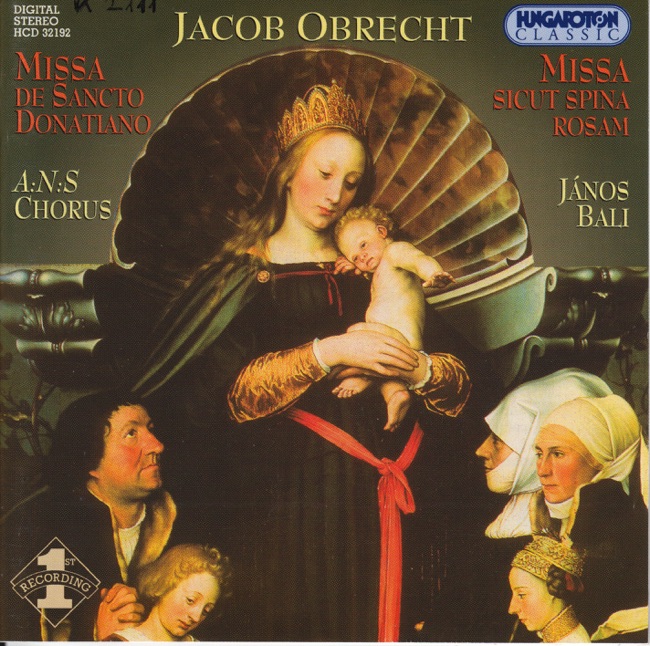 September 30, 2003
 -
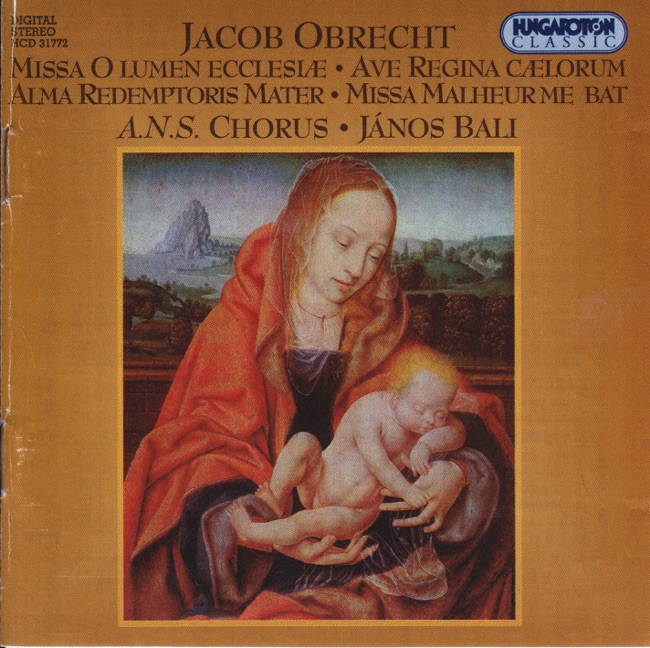 April 1, 1999
 -
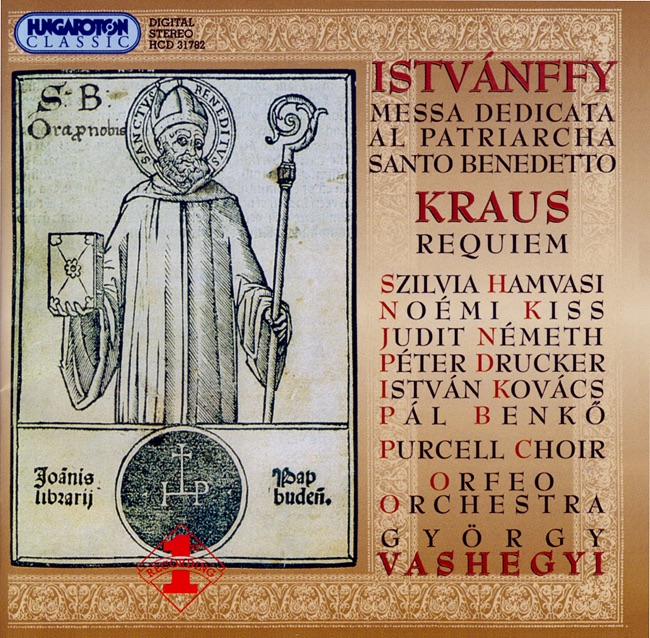 October 18, 1998
Vocal
-
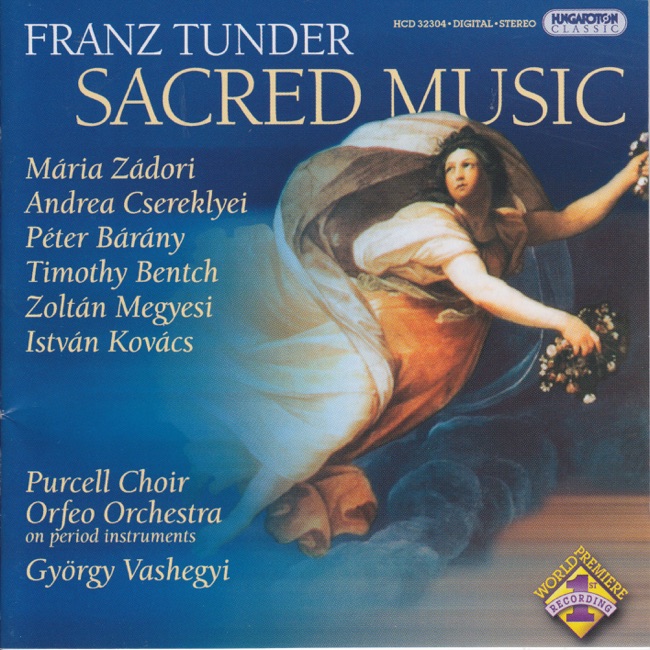 September 30, 2004
 -
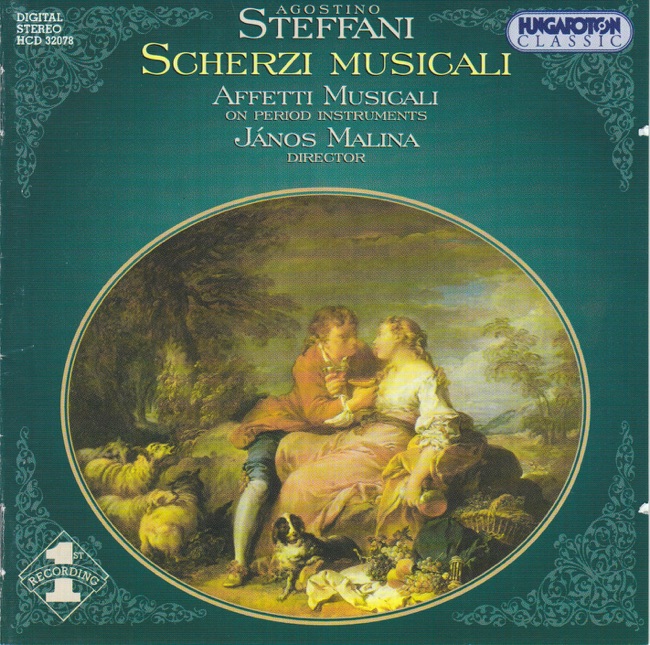 May 27, 2003
Artist Info
Period:RenaissanceGenre:ChoralVocalPál Benkö is a Hungarian-American chess grandmaster, author, and composer of classical music. He was born on July 14, 1928, in Amiens, France, to Hungarian parents. His family moved back to Hungary when he was two years old, and he grew up in Budapest. Benkö learned to play chess at the age of six, and by the time he was 11, he was already a strong player. He won the Hungarian Junior Championship in 1945 and 1946, and in 1947, he won the Hungarian Championship, becoming the youngest player to do so at the age of 19. In 1952, Benkö graduated from the Budapest University of Technology with a degree in electrical engineering. He worked as an engineer for a few years, but his passion for chess led him to become a professional player in 1957. Benkö's chess career was marked by many achievements. He represented Hungary in nine Chess Olympiads between 1956 and 1978, winning six team gold medals and one individual gold medal. He also won the Hungarian Championship four times and the Yugoslav Championship twice. In addition to his playing career, Benkö is also known for his contributions to chess theory. He is the author of several chess books, including "The Benko Gambit" and "Winning with Chess Psychology." He is also a renowned chess composer, having created over 300 chess problems and puzzles. But chess was not Benkö's only passion. He was also a talented composer of classical music. He began studying music at the age of six and continued to pursue it throughout his life. He studied composition with Hungarian composer Endre Szervánszky and later with American composer George Rochberg. Benkö's music is characterized by its complexity and technical virtuosity. He often used mathematical and chess-related themes in his compositions. His works include several piano sonatas, string quartets, and orchestral pieces. One of Benkö's most famous compositions is his "Chess Suite," a collection of six pieces for piano inspired by different aspects of the game of chess. The suite includes movements titled "Opening," "Middlegame," and "Endgame," among others. The suite has been performed by many pianists around the world and has become a staple of the classical piano repertoire. Benkö's music has been recognized with several awards and honors. In 1970, he won the Erkel Prize, one of Hungary's highest honors for composers. In 1991, he was awarded the title of International Master of Chess Composition by the World Federation for Chess Composition. Benkö moved to the United States in 1958 and became a naturalized citizen in 1964. He continued to play chess and compose music throughout his life. He currently lives in New York City with his wife, Palma, who is also a chess player and composer. In conclusion, Pál Benkö is a remarkable figure in both the world of chess and classical music. His achievements as a chess player and composer have earned him international recognition and respect. His legacy will continue to inspire and influence future generations of chess players and musicians.More....

Copyright Ⓒ 2013 Davinci Finger. All rights reseved
Service Terms & Policy