


Gladys Ripley
Released Album
Choral
-
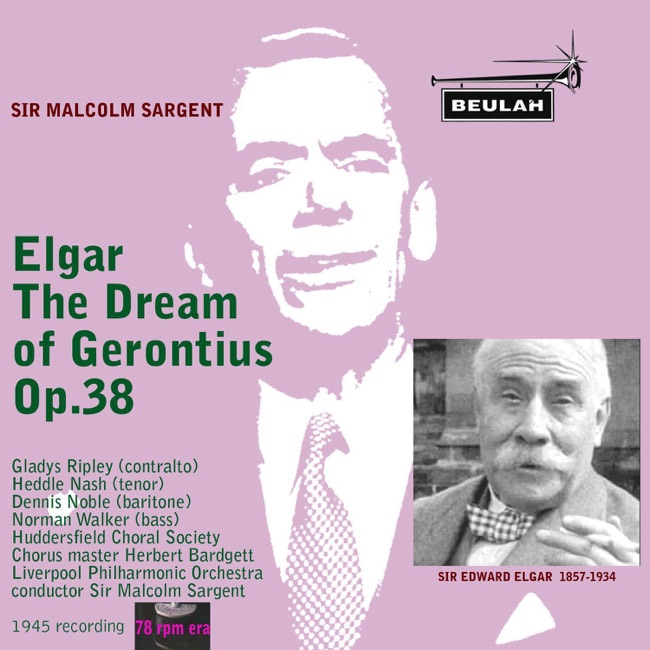 July 10, 2015
 -
 September 21, 2011
 -
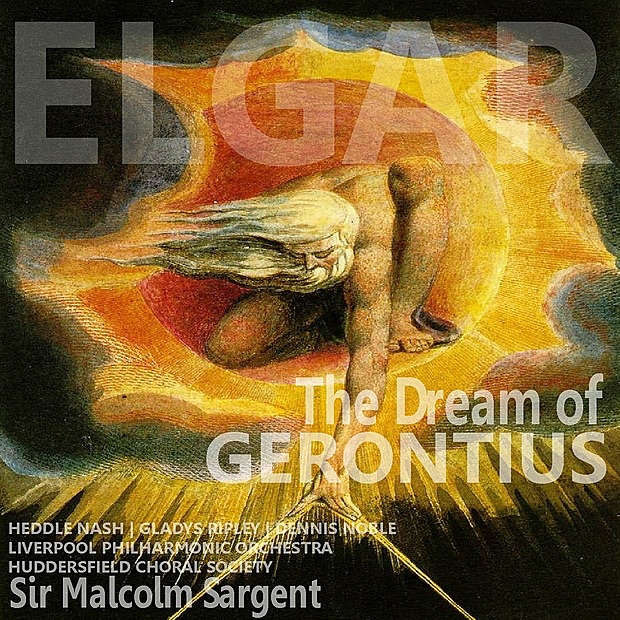 November 7, 2010
 -
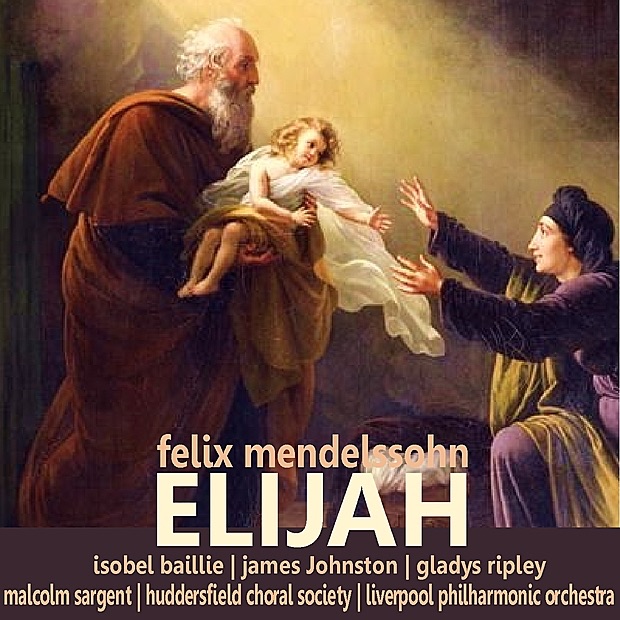 February 1, 2010
 -
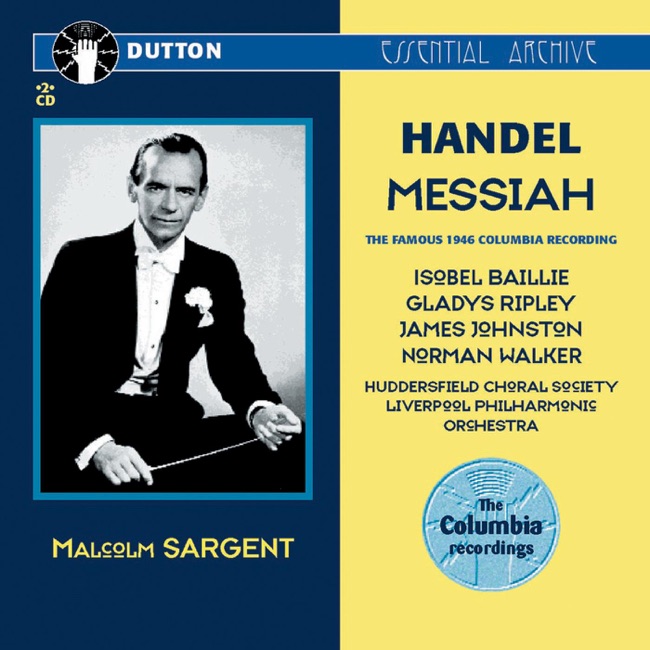 December 1, 1997
Vocal
-
 October 27, 2015
 -
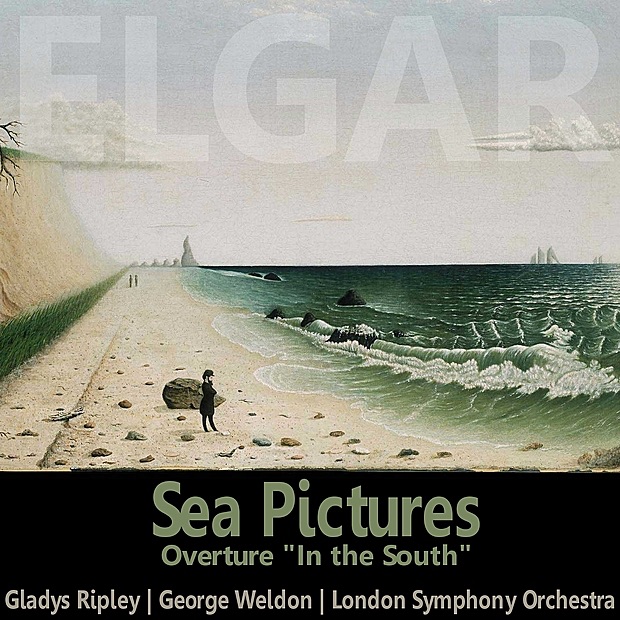 August 1, 2011
Opera
-
 October 29, 2021
 -
 September 1, 2014
 -
Artist Info
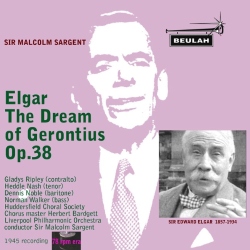
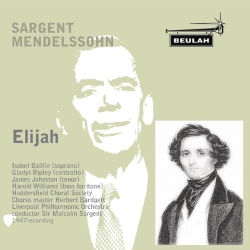
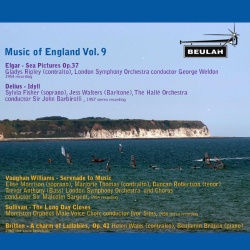
Period:BaroqueRomanticModernGenre:ChoralOperaVocalGladys Ripley was a renowned classical music artist who made a significant contribution to the world of opera and concert singing. She was born on December 9, 1908, in London, England, to a family of musicians. Her father, George Ripley, was a well-known tenor, and her mother, Florence, was a pianist. Gladys grew up in a musical environment and showed an early interest in singing. At the age of 16, Gladys began her formal training in music at the Royal Academy of Music in London. She studied under the guidance of renowned vocal coaches such as George Henschel and Frederick King. Her talent and dedication to music were evident from the beginning, and she quickly gained recognition for her exceptional voice and stage presence. In 1929, Gladys made her debut performance at the Royal Opera House in London, where she played the role of the Countess in Mozart's "The Marriage of Figaro." Her performance was well-received, and she was praised for her beautiful voice and acting skills. This marked the beginning of her successful career in opera and concert singing. Over the next few years, Gladys performed in several operas and concerts in London and other parts of Europe. She was known for her versatility and ability to perform a wide range of roles, from dramatic to comedic. Some of her notable performances during this period include the role of Donna Anna in Mozart's "Don Giovanni" and the title role in Gluck's "Orfeo ed Euridice." In 1935, Gladys made her debut performance at the Metropolitan Opera in New York, where she played the role of Mimi in Puccini's "La Boheme." Her performance was a huge success, and she was praised for her beautiful voice and emotional depth. This marked the beginning of her successful career in the United States. Over the next few years, Gladys continued to perform in several operas and concerts in the United States and Europe. She was known for her exceptional voice, stage presence, and ability to connect with the audience. Some of her notable performances during this period include the role of Marguerite in Gounod's "Faust" and the title role in Massenet's "Manon." In 1941, Gladys received the prestigious Order of the British Empire for her contribution to music. This was a significant achievement for her, and it reflected her dedication and hard work in the field of music. During World War II, Gladys continued to perform in concerts and operas, despite the difficult circumstances. She performed for the troops and helped boost morale during the war. Her performances were a source of inspiration for many, and she was admired for her courage and dedication. After the war, Gladys continued to perform in concerts and operas, both in the United States and Europe. She was known for her exceptional voice, stage presence, and ability to connect with the audience. Some of her notable performances during this period include the role of Violetta in Verdi's "La Traviata" and the title role in Puccini's "Tosca." In 1952, Gladys retired from the stage and began teaching music at the Royal Academy of Music in London. She was a dedicated teacher and mentor to many young musicians, and she helped shape the careers of several successful artists. Gladys Ripley passed away on April 10, 1955, at the age of 46. Her legacy lives on through her recordings and the many musicians she inspired and mentored. She was a true icon in the world of classical music, and her contribution to the field will always be remembered.More....
Recent Artist Music


Copyright Ⓒ 2013 Davinci Finger. All rights reseved
Service Terms & Policy