


Tomás Marco
Released Album
Chamber
-
 September 2, 2013
 -
 August 27, 2013
 -
 March 13, 2012
 -
 March 5, 2012
 -
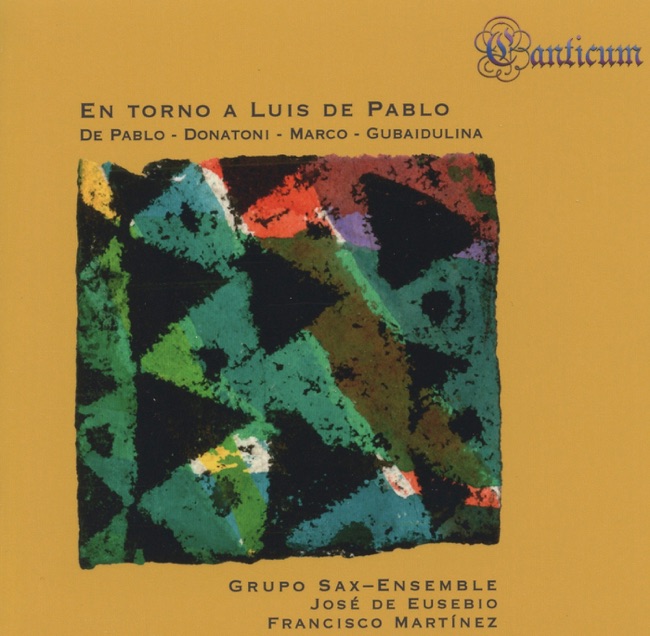 May 29, 2007
 -
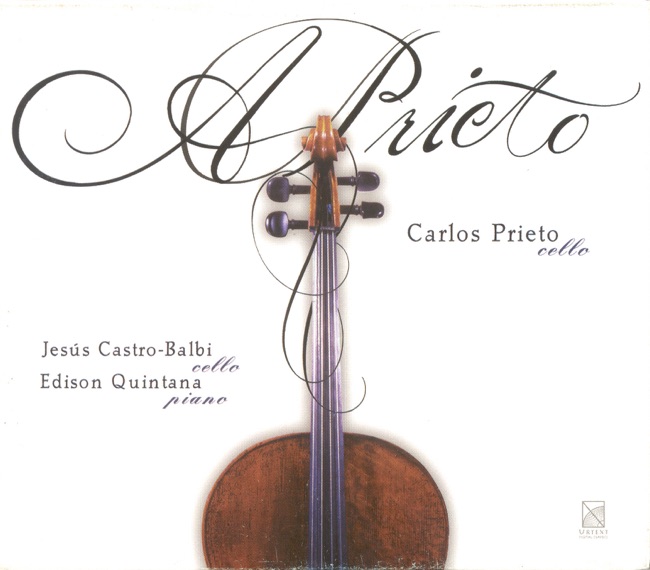 May 7, 2002
Symphony
-
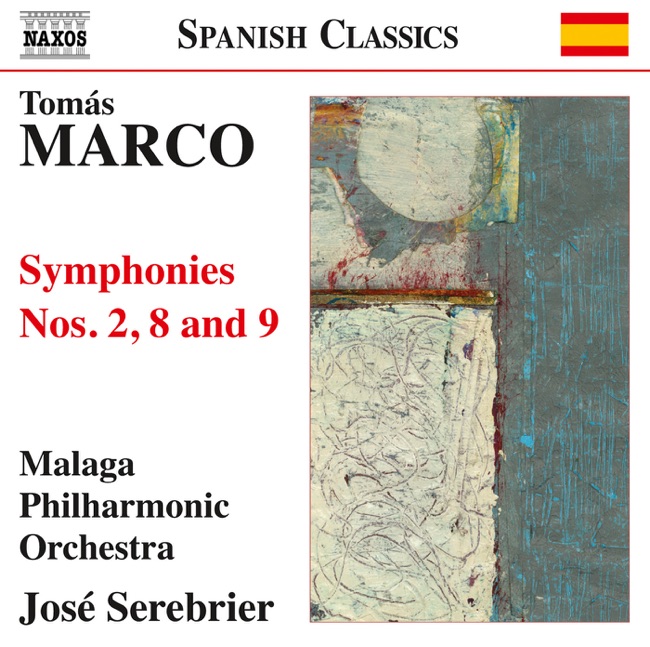 January 30, 2012
 -
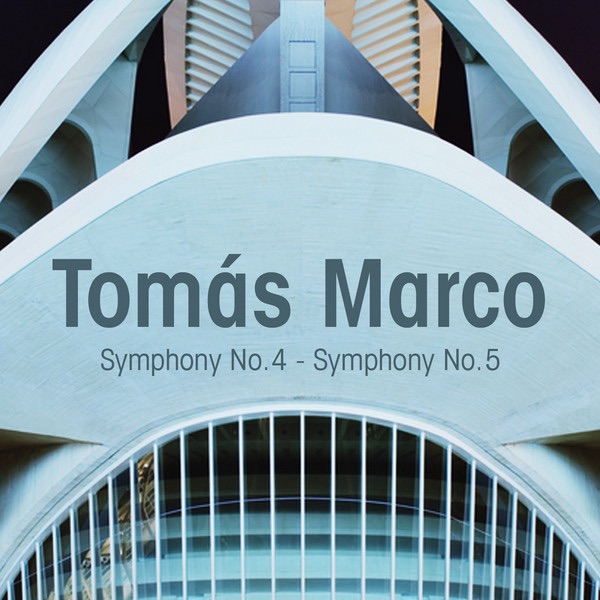 July 21, 2009
 -
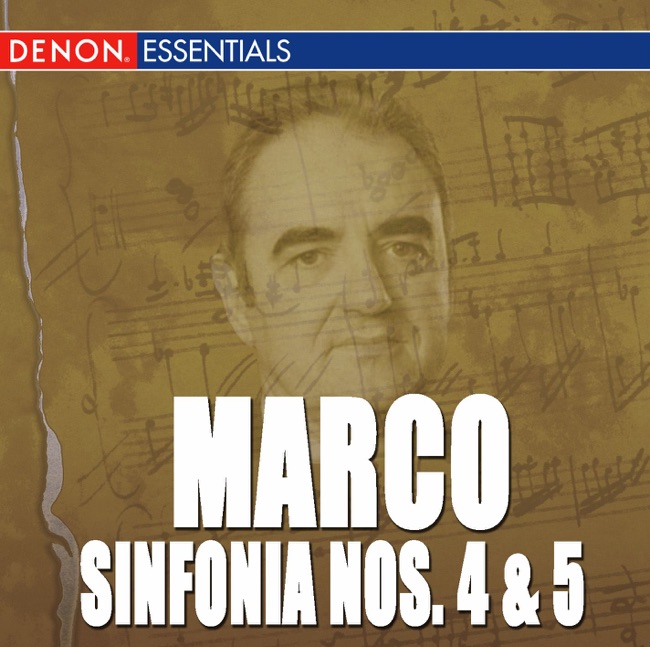 July 1, 2009
 -
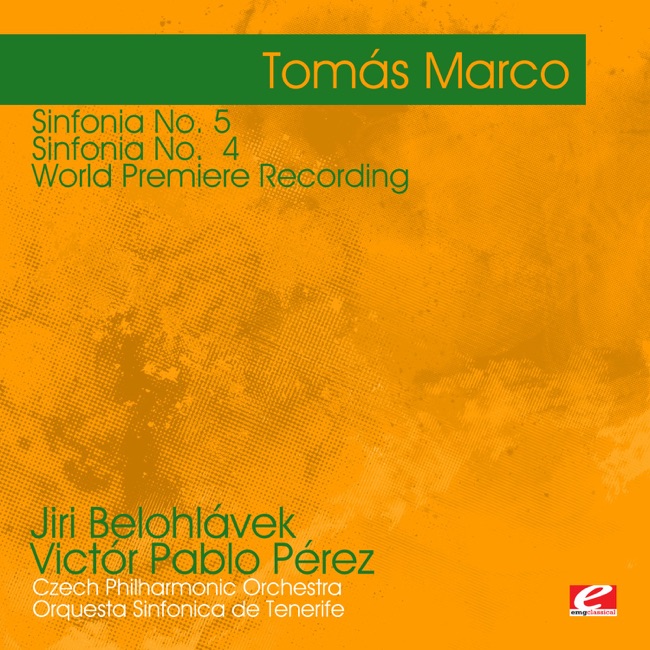 June 28, 2005
Keyboard
-
 April 26, 2024
 -
 November 9, 2010
 -
 March 1, 1999
Concerto
-
 September, 1994
Artist Info
Role:Composer PerformerCountry: SpainBirth:September 12, 1942 in Madrid, SpainPeriod:ContemporaryModernGenre:ChamberConcertoKeyboardTomás Marco is a Spanish composer who was born on January 14, 1942, in Madrid, Spain. He grew up in a family of musicians, and his father was a composer and conductor. Marco began his musical studies at a young age, and he showed a great talent for music. He studied piano, composition, and conducting at the Madrid Royal Conservatory, where he graduated with honors. After completing his studies, Marco began his career as a composer, and he quickly gained recognition for his innovative and experimental style. He was one of the leading figures of the Spanish avant-garde movement in the 1960s and 1970s, and his music was characterized by its use of electronic and computer-generated sounds, as well as its incorporation of non-musical elements such as spoken word and visual art. One of Marco's early works, "Cantata del Módulo," was composed in 1967 and was one of the first pieces of Spanish electronic music. The piece was created using a modular synthesizer, and it features a combination of electronic sounds and spoken word. The work was highly influential in the development of electronic music in Spain, and it helped to establish Marco as a leading figure in the avant-garde movement. In the 1970s, Marco began to incorporate more traditional elements into his music, and he began to compose works for orchestra and chamber ensembles. One of his most famous works from this period is "Concierto para piano y orquesta," which was composed in 1976. The piece is a virtuosic showcase for the piano, and it features a combination of traditional and experimental elements. The work was well-received by critics and audiences alike, and it helped to establish Marco as a major figure in contemporary classical music. Throughout the 1980s and 1990s, Marco continued to compose works that blended traditional and experimental elements. One of his most famous works from this period is "Cantata de los Derechos Humanos," which was composed in 1981. The piece is a choral work that sets the text of the Universal Declaration of Human Rights to music. The work is a powerful statement on the importance of human rights, and it has been performed by choirs around the world. In addition to his work as a composer, Marco has also been a prominent figure in the Spanish music scene as a conductor and musicologist. He has conducted many of his own works, as well as works by other composers, and he has been a champion of contemporary classical music in Spain. He has also written extensively on music, and he has published several books on the history and theory of music. In recent years, Marco has continued to compose works that explore the boundaries of contemporary classical music. One of his most recent works, "Concierto para violín y orquesta," was composed in 2016 and features a combination of traditional and experimental elements. The piece is a virtuosic showcase for the violin, and it has been well-received by critics and audiences alike. Overall, Tomás Marco is one of the most important and influential composers of contemporary classical music in Spain. His innovative and experimental style has helped to push the boundaries of classical music, and his works have been performed and celebrated around the world.More....
Recent Artist Music
3
18:59
4
15:27
Copyright Ⓒ 2013 Davinci Finger. All rights reseved
Service Terms & Policy