


Theodor W. Adorno
Released Album
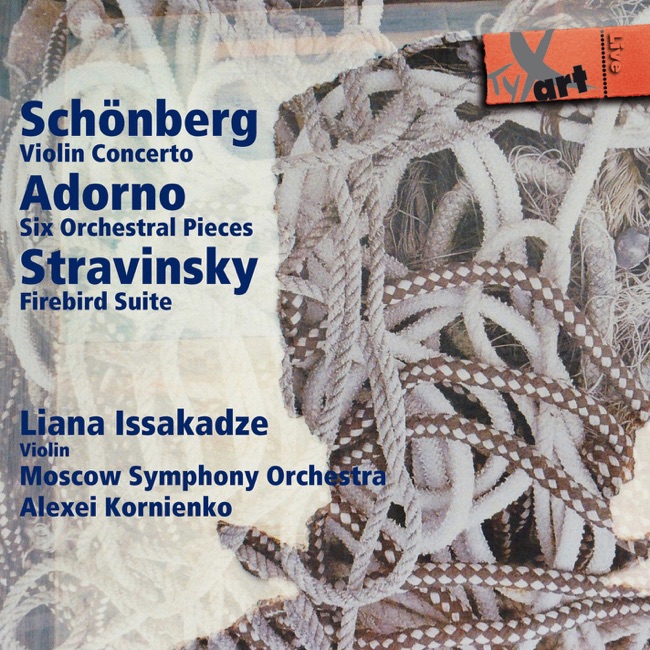
Orchestral
Keyboard
-
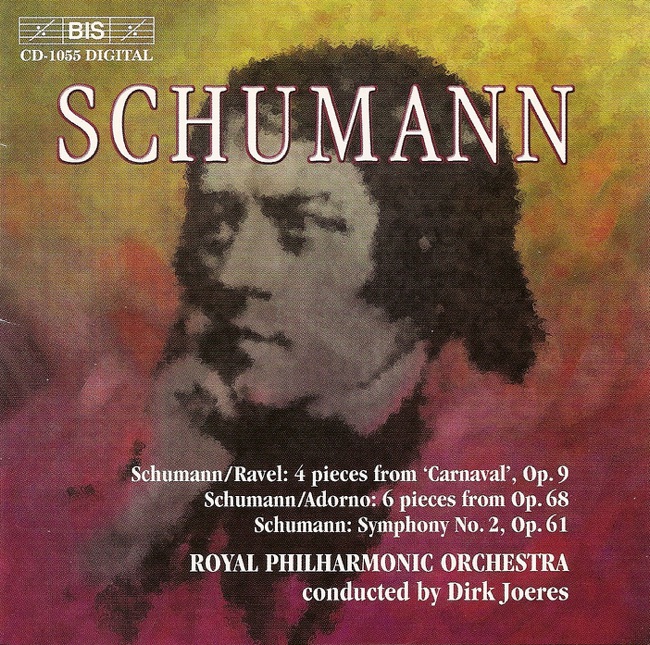 November 15, 1999
Chamber
-
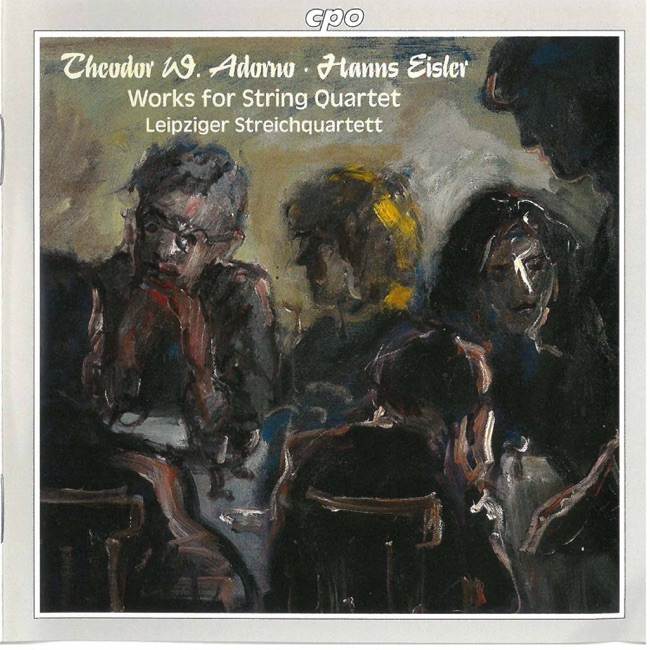 December 17, 1996
Artist Info
Role:ComposerCountry: GermanyBirth:September 11, 1903 in Frankfurt, GermanyDeath:August 6, 1969 in Visp, SwitzerlandPeriod:ModernGenre:ChamberOrchestralSymphonyVocalTheodor W. Adorno was a German philosopher, sociologist, and musicologist who was born on September 11, 1903, in Frankfurt, Germany. He was the only child of Oscar Alexander Wiesengrund and Maria Calvelli-Adorno della Piana, who were both from wealthy families. Adorno's father was a successful wine merchant, and his mother was an accomplished singer and pianist. Adorno showed an early interest in music and began playing the piano at a young age. He was also exposed to classical music through his mother's performances and recordings. Adorno's parents were both Jewish, and he was raised in a secular household that valued education and culture. In 1921, Adorno enrolled at the University of Frankfurt to study philosophy, musicology, and psychology. He was particularly interested in the works of Immanuel Kant, Friedrich Nietzsche, and Georg Wilhelm Friedrich Hegel. Adorno also studied composition with Alban Berg, a member of the Second Viennese School, and became friends with other members of the group, including Arnold Schoenberg and Anton Webern. Adorno completed his doctoral dissertation in 1924 on Edmund Husserl's phenomenology, and he began teaching at the University of Frankfurt in 1928. He also worked as a music critic for various publications, including the Frankfurter Zeitung and the Zeitschrift für Sozialforschung. In the 1930s, Adorno became involved with the Frankfurt School, a group of Marxist intellectuals who were critical of capitalism and fascism. Adorno's work focused on the role of culture in society and the ways in which it could be used to promote social change. He also wrote extensively on the philosophy of music, arguing that it was a form of social critique that could expose the contradictions and injustices of society. During World War II, Adorno and other members of the Frankfurt School fled Germany and settled in the United States. Adorno taught at various universities, including Princeton and the University of California, Berkeley. He also continued to write on music and culture, publishing influential works such as "The Culture Industry" and "Negative Dialectics." Adorno's music compositions were influenced by his philosophical and sociological ideas. He was particularly interested in the works of Schoenberg and Webern, and his compositions often used atonal and serial techniques. Adorno's music was also influenced by his experiences as a refugee and his opposition to fascism. Adorno's most famous composition is his "Variations on a Theme of Alban Berg," which he wrote in 1954. The piece is a tribute to his former teacher and friend and uses serial techniques to explore the theme. Adorno's other compositions include "Four Songs for Voice and Piano," "Three Pieces for Piano," and "String Quartet." Adorno died on August 6, 1969, in Visp, Switzerland, from a heart attack. He was 65 years old. Adorno's legacy as a philosopher, sociologist, and musicologist continues to influence scholars and artists today. His ideas on the role of culture in society and the ways in which it can be used to promote social change remain relevant in the 21st century.More....
Recent Artist Music

Copyright Ⓒ 2013 Davinci Finger. All rights reseved
Service Terms & Policy