


Jon Gibson
Released Album
Ballet
-
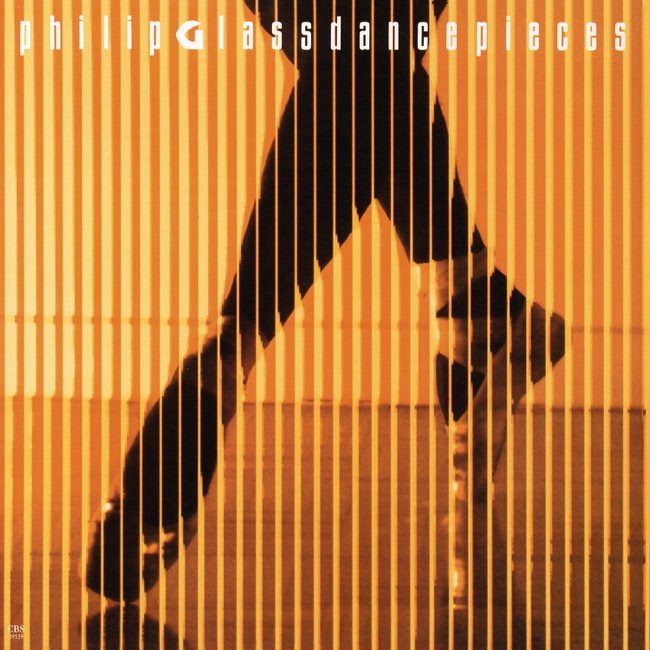 April 21, 1987
Vocal
-
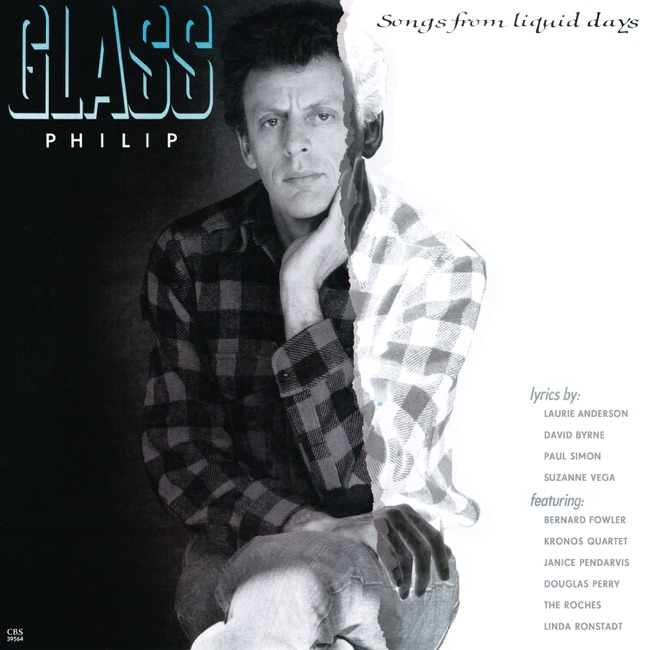 March 31, 1986
Electronic/Computer
-
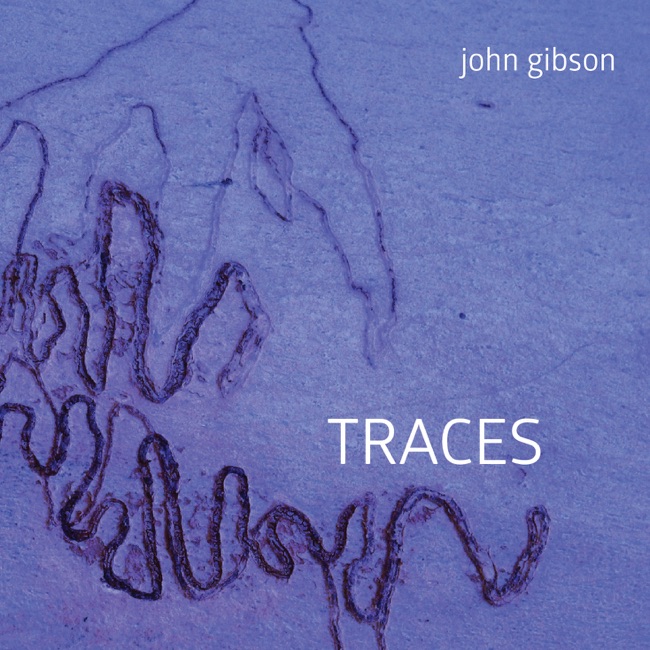 October 28, 2016
 -
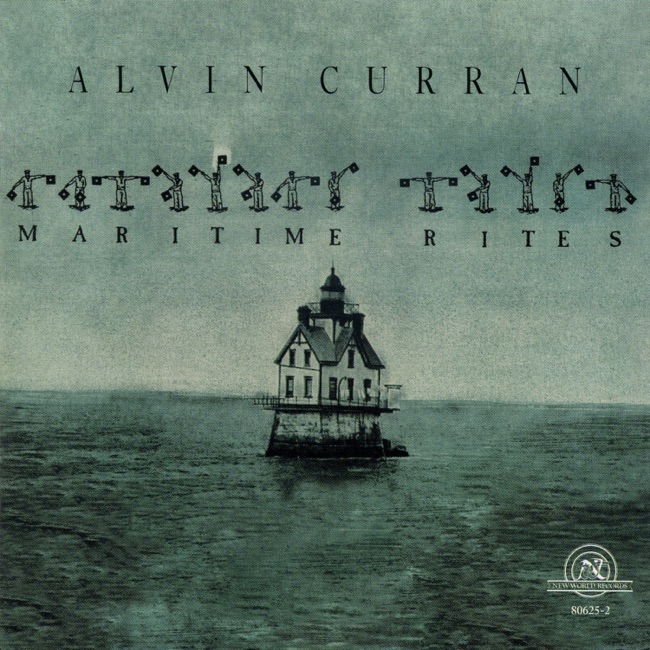 January 1, 2004
Film
-
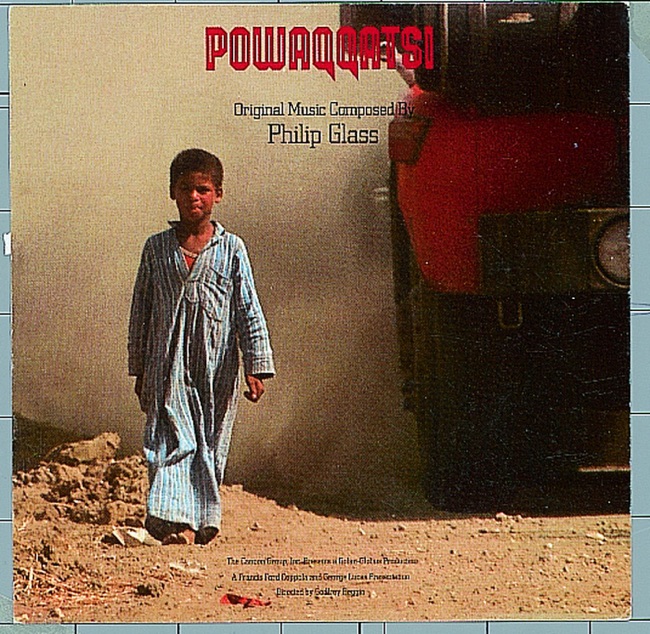 April 15, 1988
Artist Info
Role:ComposerBirth:March 11, 1940 in Los Angeles, CADeath:October 11, 2020 in Springfield, MAGenre:BalletChamberOperaVocalJon Gibson is a renowned American composer, saxophonist, and flutist who has made significant contributions to the world of contemporary classical music. Born on January 11, 1940, in Los Angeles, California, Gibson grew up in a family that valued music and the arts. His father was a jazz pianist, and his mother was a painter, which exposed him to different forms of artistic expression from an early age. Gibson began his musical journey by learning to play the clarinet at the age of 12. He later switched to the saxophone and flute, which became his primary instruments. He attended the University of California, Santa Barbara, where he studied music composition and theory. During this time, he was also exposed to the avant-garde music scene, which had a significant influence on his musical style. After completing his studies, Gibson moved to New York City in the mid-1960s, where he became part of the experimental music scene. He worked with renowned composers such as Philip Glass, Steve Reich, and Terry Riley, who were at the forefront of the minimalist music movement. Gibson's collaborations with these composers helped him develop his unique style, which combined elements of minimalism, jazz, and world music. In the early 1970s, Gibson began to focus on his solo career, releasing his debut album, "Two Solo Pieces," in 1977. The album featured two extended compositions for saxophone and flute, which showcased Gibson's virtuosity and his ability to create complex and intricate musical textures. The album received critical acclaim and established Gibson as a leading figure in the contemporary classical music scene. Throughout the 1980s and 1990s, Gibson continued to release albums and perform extensively around the world. He collaborated with a wide range of musicians, including percussionist Nana Vasconcelos, guitarist Bill Frisell, and pianist Harold Budd. He also composed music for dance and theater productions, including works by choreographer Trisha Brown and playwright Samuel Beckett. One of Gibson's most significant achievements was his collaboration with the Kronos Quartet, one of the world's leading string quartets. In 1985, he composed "Stations," a piece for saxophone, flute, and string quartet, which was premiered by the Kronos Quartet at the Brooklyn Academy of Music. The piece was later recorded and released on the album "White Palace." Gibson's music has been described as "meditative" and "hypnotic," with a focus on repetition and gradual transformation. His compositions often feature long, sustained notes and subtle changes in rhythm and harmony, creating a sense of timelessness and introspection. His use of non-Western musical traditions, such as Indian classical music and African rhythms, also adds a unique flavor to his music. In addition to his work as a composer and performer, Gibson has also been an influential teacher and mentor. He has taught at several universities, including the California Institute of the Arts and the New School for Social Research in New York City. He has also led workshops and masterclasses around the world, sharing his knowledge and expertise with aspiring musicians. Gibson's contributions to the world of contemporary classical music have been recognized with several awards and honors. In 2005, he was awarded a Guggenheim Fellowship, which allowed him to continue his work as a composer and performer.More....
Recent Artist Music
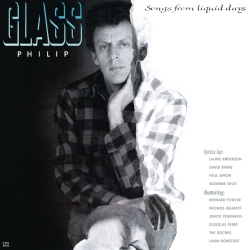
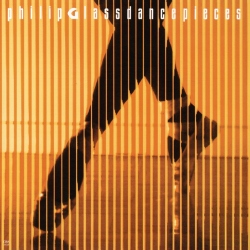




Copyright Ⓒ 2013 Davinci Finger. All rights reseved
Service Terms & Policy