


George Dyson
Released Album
Choral
-
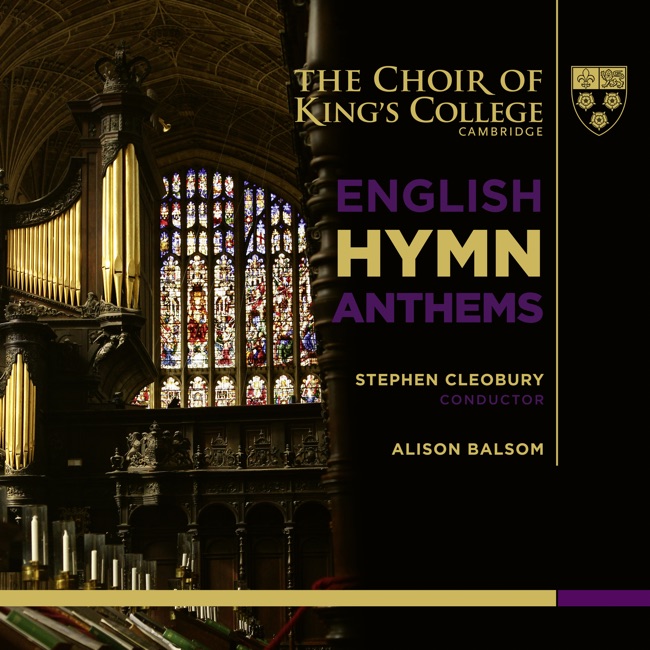 March 10, 2015
 -
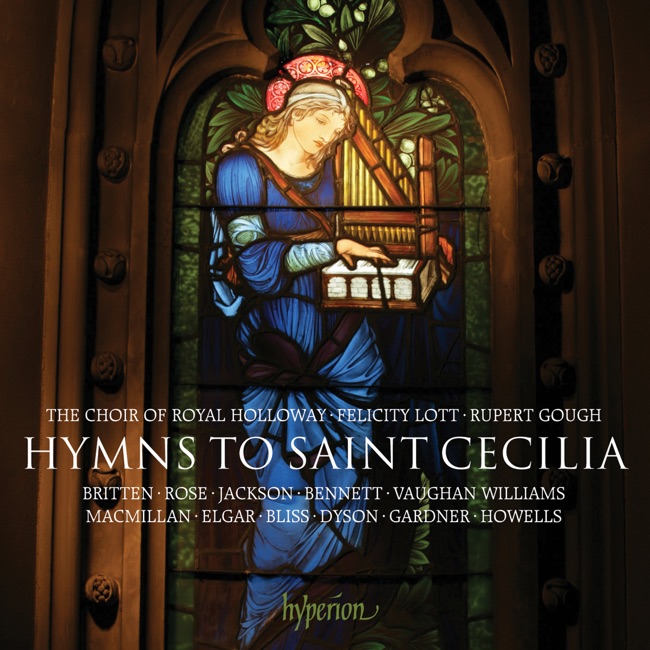 November 11, 2014
 -
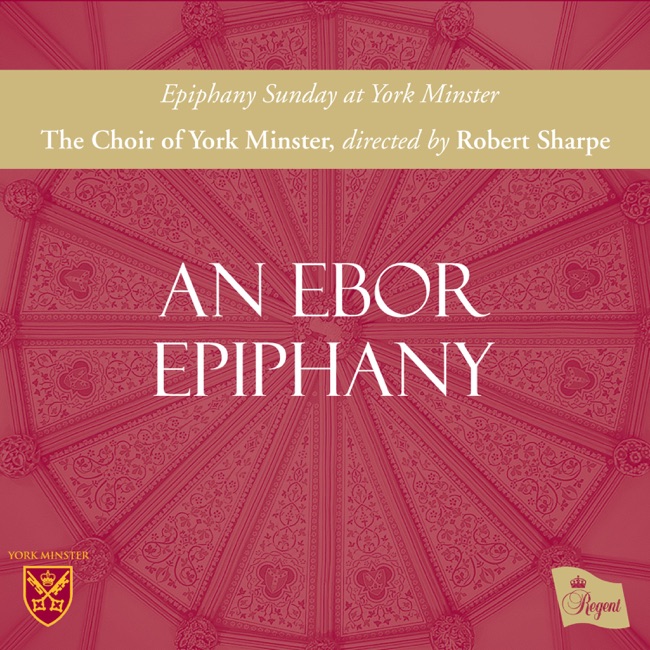 May 13, 2014
 -
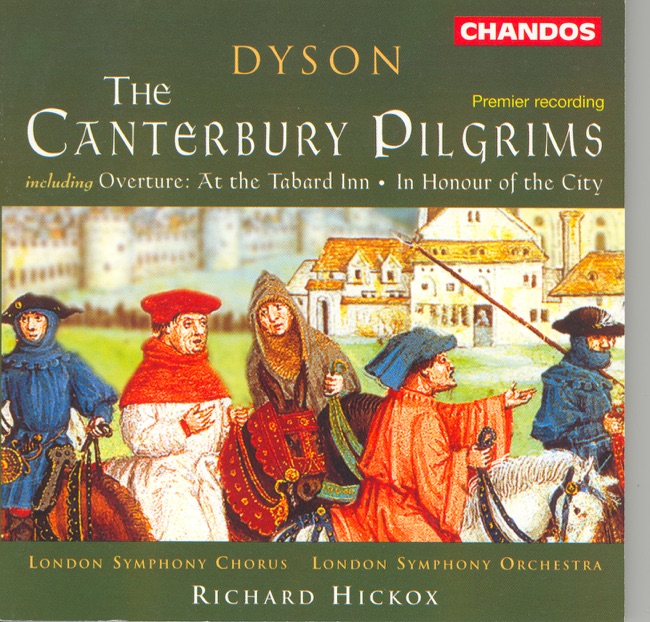
-
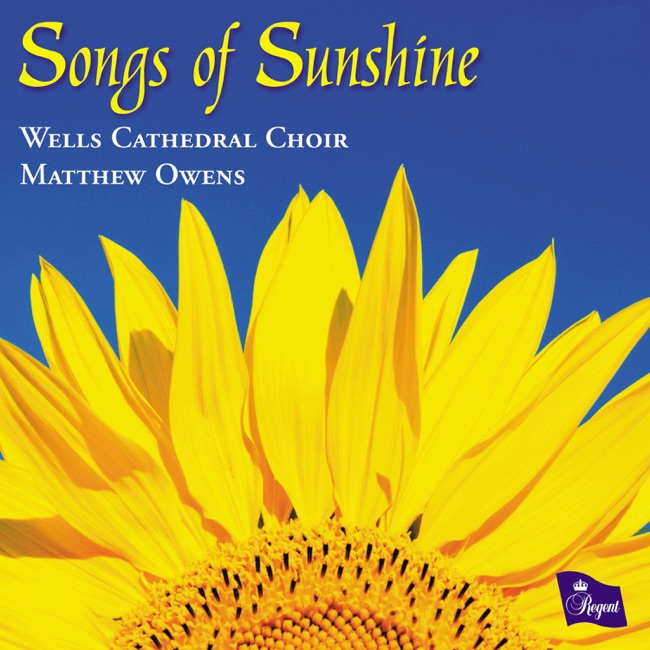 January 10, 2012
 -
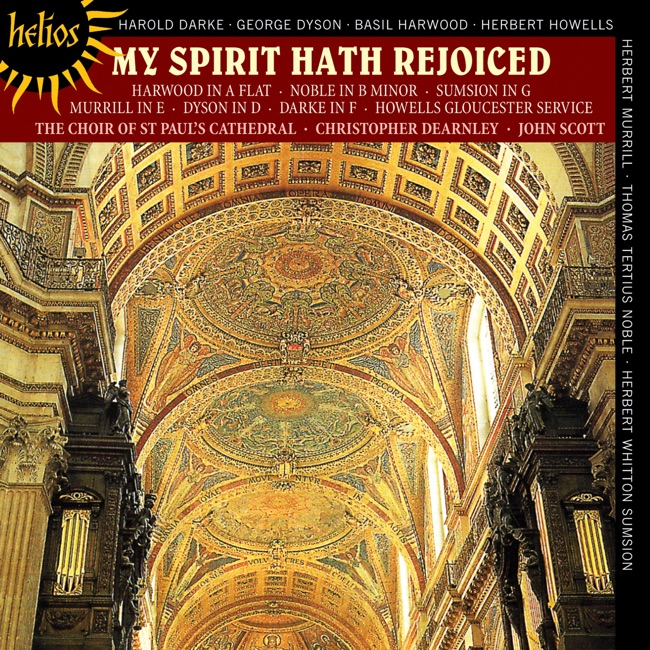 June 14, 2011
Concerto
-
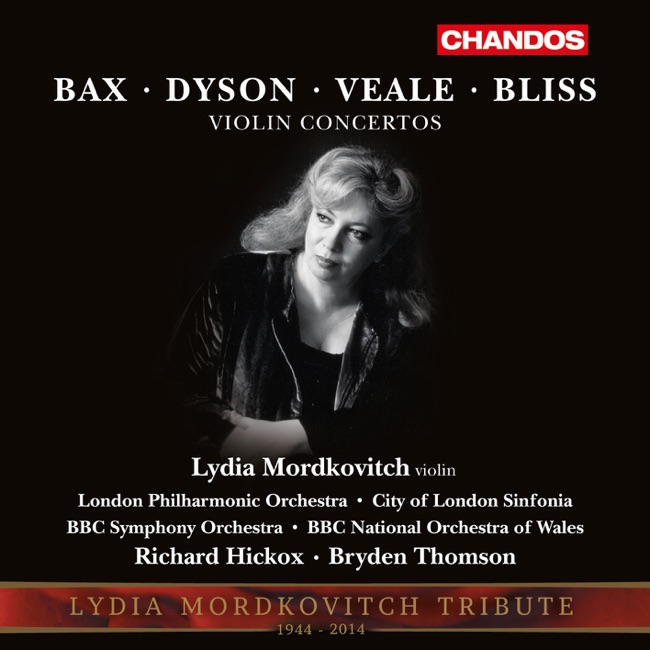 July 31, 2015
 -
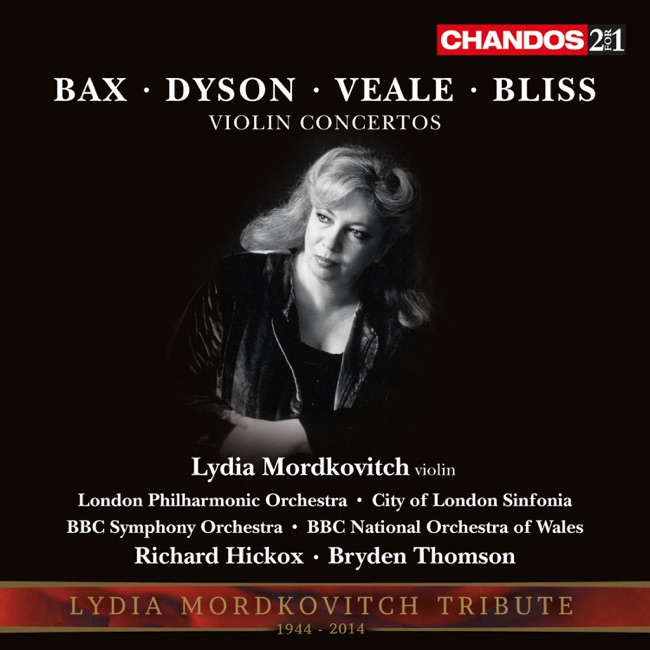
-
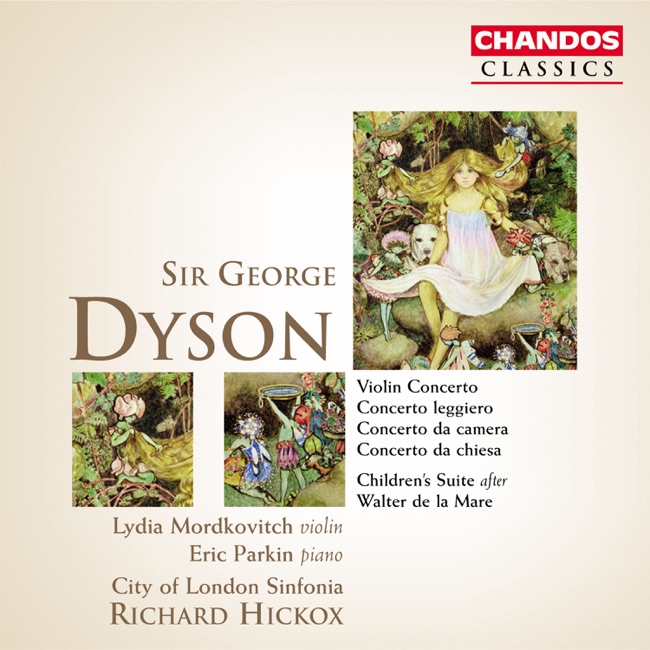
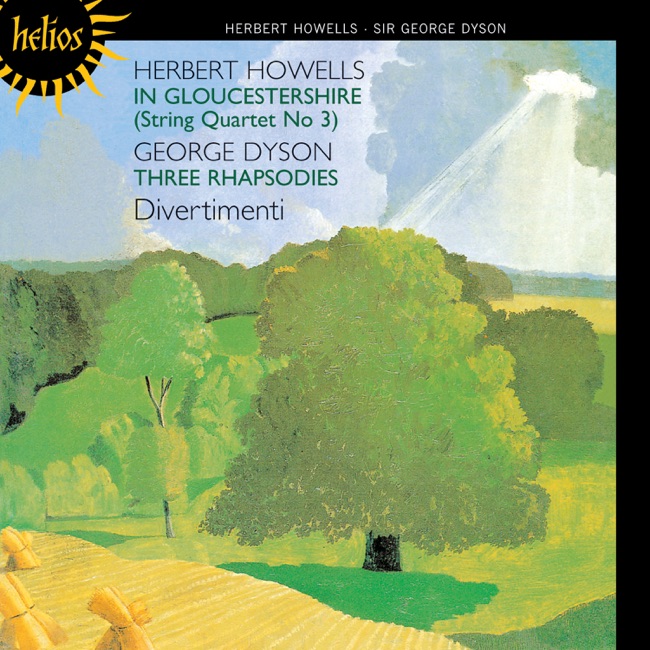
Artist Info
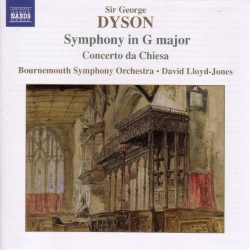
Role:ComposerCountry: United KingdomBirth:May 28, 1883 in Halifax, Nova Scotia, CanadaDeath:September 28, 1964 in Winchester, EnglandPeriod:ContemporaryModernGenre:ChoralGeorge Dyson was a British composer, conductor, and educator who was born on May 28, 1883, in Halifax, Yorkshire. He was the son of George Dyson, a well-known architect, and his wife, Susan. Dyson showed an early interest in music and began playing the piano at a young age. He attended the Royal College of Music in London, where he studied composition with Charles Villiers Stanford and piano with Tobias Matthay. After completing his studies, Dyson worked as a music teacher and conductor. He was appointed as the director of music at Marlborough College in 1914, where he remained until 1937. During his time at Marlborough, Dyson composed a number of works, including his Symphony in G major, which was premiered in 1914. The symphony was well-received and established Dyson as a composer of note. In 1937, Dyson was appointed as the director of music at Winchester College, a position he held until his retirement in 1952. During his time at Winchester, Dyson continued to compose and conduct, and he also became involved in the wider musical community. He was a member of the Royal Philharmonic Society and the Society for the Promotion of New Music, and he served as the president of the Incorporated Society of Musicians from 1947 to 1949. Dyson's music is characterized by its lyrical melodies, rich harmonies, and use of traditional forms. He was influenced by the music of the English Renaissance and Baroque periods, as well as by the works of his contemporaries, such as Ralph Vaughan Williams and Gustav Holst. Dyson's compositions include orchestral works, choral music, chamber music, and songs. One of Dyson's most famous works is his cantata, The Canterbury Pilgrims, which was premiered in 1931. The work is based on Geoffrey Chaucer's Canterbury Tales and features a large orchestra, chorus, and soloists. The cantata is notable for its use of medieval and Renaissance musical styles, as well as for its vivid depictions of the various characters in Chaucer's tales. Another notable work by Dyson is his Symphony in D major, which was premiered in 1949. The symphony is a tribute to the English composer Henry Purcell and features a number of themes from Purcell's works. The symphony is notable for its use of counterpoint and its rich orchestration. Dyson's other works include his Concerto da Chiesa for string orchestra, his Three Rhapsodies for piano, and his St. Paul's Voyage to Melita, a cantata based on the biblical story of St. Paul's shipwreck. Dyson also wrote a number of songs, including settings of poems by William Shakespeare and Robert Burns. In addition to his work as a composer, Dyson was also a respected conductor and educator. He conducted a number of orchestras, including the London Philharmonic Orchestra and the BBC Symphony Orchestra. He was also a professor of music at the University of Durham from 1953 to 1958. Dyson was awarded a number of honors during his lifetime, including a knighthood in 1953. He died on September 28, 1964, in Winchester, Hampshire, at the age of 81. Dyson's legacy as a composer and educator continues to be celebrated today, and his works are still performed and recorded by musicians around the world.More....
Recent Artist Music
1
3:13
7
1:37
9
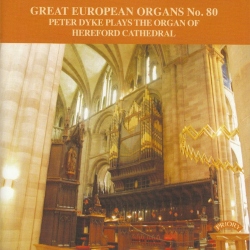
Variations on Old Psalm Tunes, Book 2
Ravenscroft's Psalter (1621): O God my strength and fortitude
4:12
Recommend Playlist



Related Artists
Copyright Ⓒ 2013 Davinci Finger. All rights reseved
Service Terms & Policy