George Dyson
Te Deum Laudamus in D major
Released Album
Recent Album
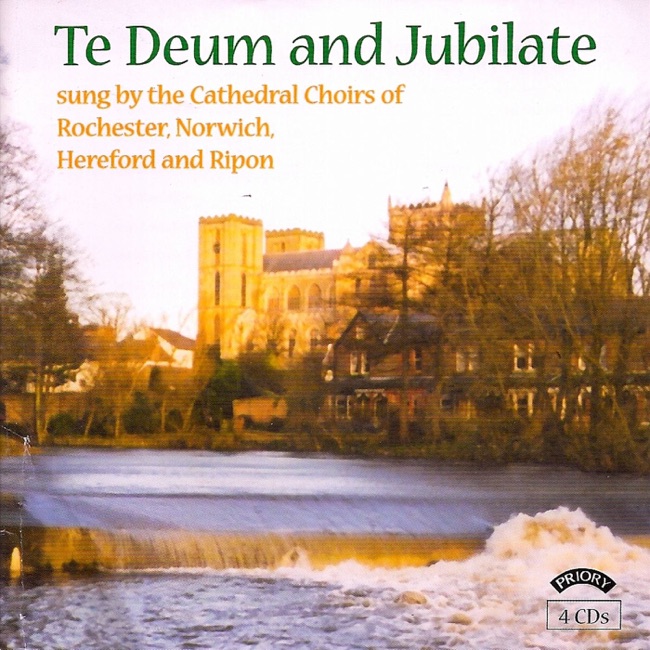
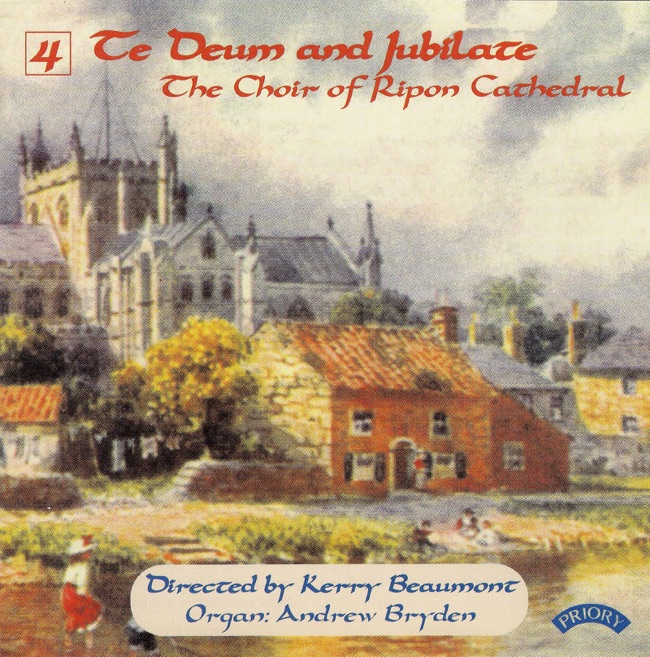
Works Info
Composer:George DysonGenre:ChoralStyle:ChoralCompose Date:1914Average_duration:8:23George Dyson's 'Te Deum Laudamus in D major' is a choral work that was composed in 1934. It was premiered on 22nd November 1934 at the Royal Albert Hall in London, conducted by Sir Henry Wood. The piece is divided into six movements, each with its own unique characteristics. The first movement, marked 'Allegro moderato', begins with a majestic fanfare played by the brass section. The choir then enters with the words "We praise thee, O God" in a joyful and celebratory manner. The movement is characterized by its use of rich harmonies and rhythmic vitality. The second movement, marked 'Andante sostenuto', is a more reflective and introspective section. The choir sings the words "To thee all angels cry aloud" in a gentle and prayerful manner. The movement is characterized by its use of lush harmonies and a sense of reverence. The third movement, marked 'Allegro vivace', is a lively and energetic section. The choir sings the words "To thee Cherubim and Seraphim continually do cry" in a joyful and exuberant manner. The movement is characterized by its use of fast-paced rhythms and a sense of excitement. The fourth movement, marked 'Andante con moto', is a more subdued and contemplative section. The choir sings the words "Holy, holy, holy, Lord God of Sabaoth" in a reverent and solemn manner. The movement is characterized by its use of rich harmonies and a sense of awe. The fifth movement, marked 'Allegro moderato', is a return to the joyful and celebratory tone of the first movement. The choir sings the words "Thou art the King of Glory, O Christ" in a triumphant and majestic manner. The movement is characterized by its use of bold harmonies and a sense of grandeur. The final movement, marked 'Moderato maestoso', is a majestic and triumphant section. The choir sings the words "We therefore pray thee, help thy servants" in a powerful and confident manner. The movement is characterized by its use of grand harmonies and a sense of triumph. Overall, Dyson's 'Te Deum Laudamus in D major' is a powerful and uplifting choral work that showcases the composer's skill in creating rich harmonies and dynamic rhythms. Its six movements each offer a unique perspective on the text of the Te Deum, from joyful celebration to solemn reverence to triumphant praise.More....
Works Music
Released Music