


Medieval Hungarian Polyphony Anonymous
Released Album
Choral
-
 January 14, 2022
 -
 June 29, 2018
 -
-
 June 20, 2011
 -
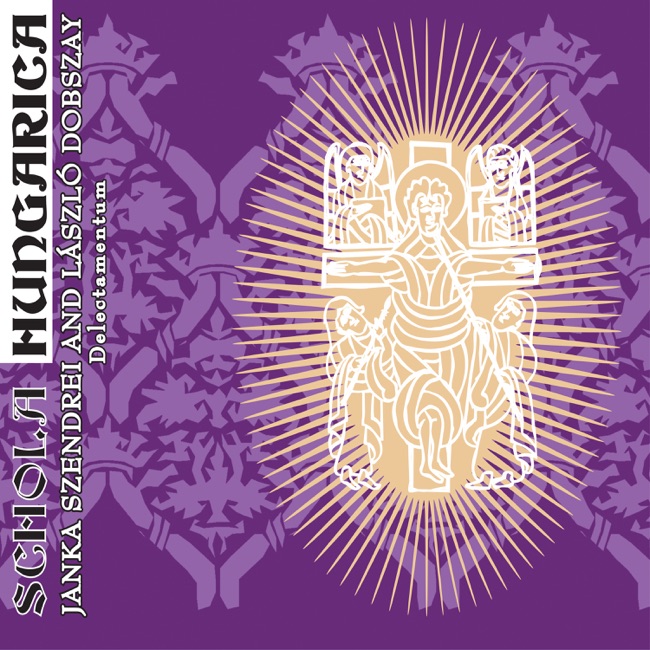 November 25, 2008
 -
 October 30, 2008
Artist Info
Role:ComposerGenre:ChoralMedieval Hungarian Polyphony Anonymous is a composer whose identity remains unknown to this day. The composer is believed to have lived in Hungary during the 14th century, and is known for his contributions to the development of medieval Hungarian polyphony. The birth and early life of Medieval Hungarian Polyphony Anonymous are shrouded in mystery. It is not known when or where the composer was born, or what his real name was. However, it is believed that he was a member of the Franciscan order, and that he lived and worked in Hungary during the 14th century. Medieval Hungarian Polyphony Anonymous is best known for his contributions to the development of medieval Hungarian polyphony. Polyphony is a style of music in which multiple voices or melodies are played or sung simultaneously. This style of music was popular in Europe during the Middle Ages, and Medieval Hungarian Polyphony Anonymous was one of the most important composers of this style in Hungary. The composer's most famous work is the Codex Speciálnis, a collection of 14th-century Hungarian polyphonic music. The Codex Speciálnis is a manuscript that contains 48 pieces of music, including hymns, sequences, and other liturgical music. The manuscript is believed to have been created in the late 14th century, and is one of the most important sources of medieval Hungarian polyphony. The Codex Speciálnis is notable for its use of complex rhythms and harmonies, as well as its use of multiple voices. The music in the manuscript is written for a variety of instruments, including the organ, the lute, and the vielle. The manuscript also contains vocal music, which is sung in Latin. One of the most famous pieces in the Codex Speciálnis is the "Missa de Beata Virgine," a mass that is believed to have been composed by Medieval Hungarian Polyphony Anonymous. The mass is written for four voices, and is notable for its use of complex harmonies and rhythms. The "Missa de Beata Virgine" is one of the most important examples of medieval Hungarian polyphony, and is still performed today. Another notable work by Medieval Hungarian Polyphony Anonymous is the "Laudemus Virginem," a hymn that is believed to have been composed in the 14th century. The hymn is written for three voices, and is notable for its use of complex harmonies and rhythms. The "Laudemus Virginem" is still performed today, and is considered one of the most important examples of medieval Hungarian polyphony. Medieval Hungarian Polyphony Anonymous is also known for his contributions to the development of the Ars Nova style of music. The Ars Nova style was popular in Europe during the 14th century, and was characterized by its use of complex rhythms and harmonies. Medieval Hungarian Polyphony Anonymous was one of the most important composers of this style in Hungary, and his music is still studied and performed today. In conclusion, Medieval Hungarian Polyphony Anonymous was a composer who lived and worked in Hungary during the 14th century. The composer's identity remains unknown, but his contributions to the development of medieval Hungarian polyphony are still celebrated today. The Codex Speciálnis, a collection of 14th-century Hungarian polyphonic music, is the composer's most famous work, and is still studied and performed today.More....
Recent Artist Music
2
7:40
3
4:56
6
2:21
13
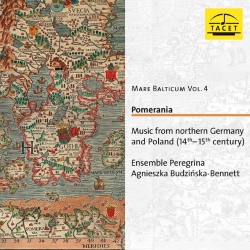
Exordium quadruplate / Nate dei / concrepet infanti / Verbum caro
Exordium / Nate de Dei / Concrepet infanti / Verbum caro
2:48
14
5:40

Copyright Ⓒ 2013 Davinci Finger. All rights reseved
Service Terms & Policy