


Medieval Hungarian Polyphony Anonymous
Exordium quadruplate / Nate dei / concrepet infanti / Verbum caro
Released Album
Recent Album
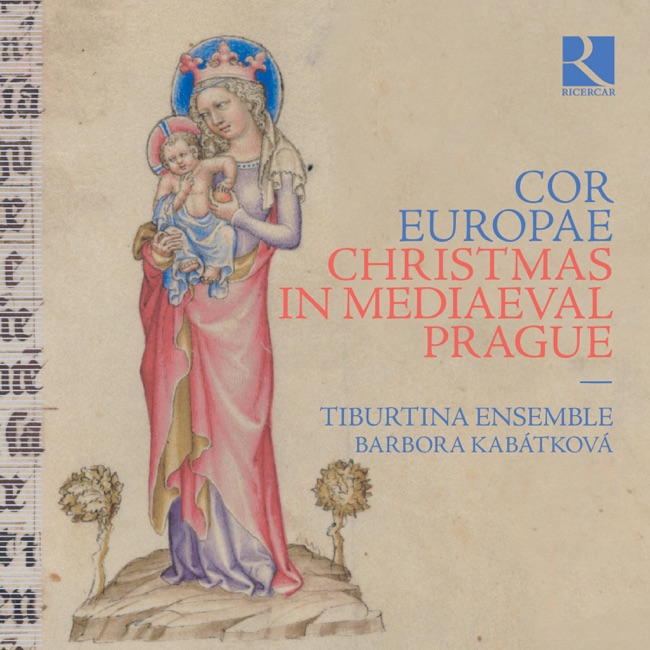
Featured Album
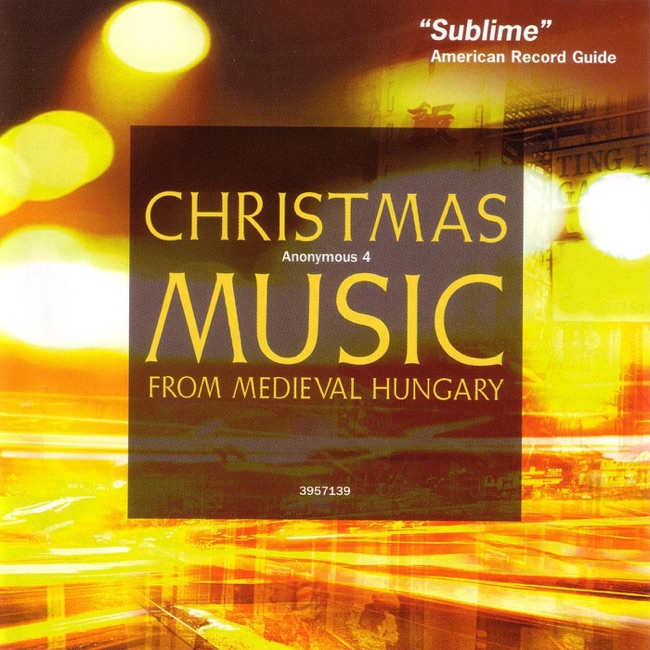
Works Info
Composer:Medieval Hungarian Polyphony AnonymousGenre:ChoralStyle:ChoralAverage_duration:2:21"Exordium quadruplate / Nate dei / concrepet infanti / Verbum caro" is a medieval Hungarian polyphonic composition that dates back to the 14th century. The piece is believed to have been composed anonymously, and it is considered to be one of the most significant works of medieval Hungarian polyphony. The composition is divided into four movements, each with its own unique characteristics. The first movement, "Exordium quadruplate," is an instrumental prelude that sets the tone for the rest of the piece. It features a lively and rhythmic melody that is played by a group of instruments, including a lute, a harp, and a drum. The second movement, "Nate dei," is a vocal piece that is sung in Latin. It is a hymn to the birth of Christ and features four-part harmony. The melody is simple and repetitive, but the harmonies are complex and rich, creating a sense of depth and texture. The third movement, "Concrepet infanti," is another vocal piece that is sung in Latin. It is a lullaby to the baby Jesus and features a soloist accompanied by a choir. The melody is gentle and soothing, and the harmonies are simple and understated, creating a sense of intimacy and tenderness. The final movement, "Verbum caro," is a vocal piece that is sung in Hungarian. It is a hymn to the incarnation of Christ and features four-part harmony. The melody is lively and energetic, and the harmonies are complex and vibrant, creating a sense of joy and celebration. Overall, "Exordium quadruplate / Nate dei / concrepet infanti / Verbum caro" is a masterpiece of medieval Hungarian polyphony. Its intricate harmonies, rich textures, and diverse movements make it a unique and captivating work of art.More....
Works Music
Released Music
1
Exordium quadruplate / Nate dei / concrepet infanti / Verbum caro
Motet Exordium quadruplate - Nate Dei - Concrepet infanti - Verbum caro
1:36
Featured Music
1
2:21
2
Exordium quadruplate / Nate dei / concrepet infanti / Verbum caro
Exordium / Nate de Dei / Concrepet infanti / Verbum caro
2:48