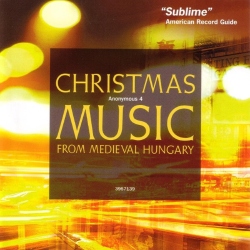
Medieval Hungarian Polyphony Anonymous
Novus annus adiit
Released Album
Recent Album
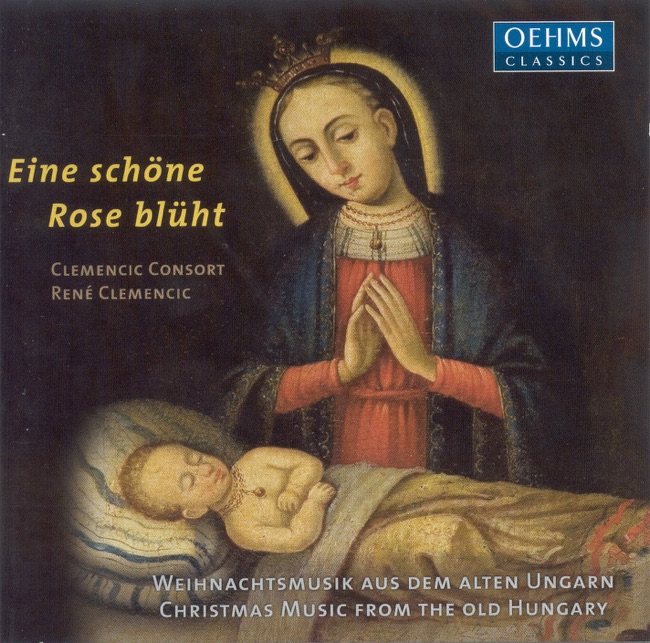
Featured Album
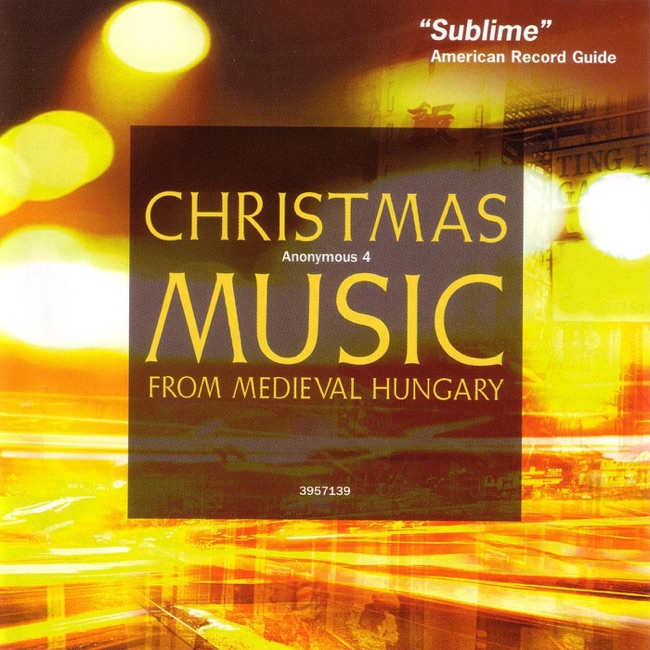
Works Info
Composer:Medieval Hungarian Polyphony AnonymousGenre:ChoralStyle:ChoralAverage_duration:3:37"Novus annus adiit" is a medieval Hungarian polyphonic composition that was composed anonymously. The piece was written during the medieval period, and its exact date of composition is unknown. The composition is believed to have been written in the 14th century, during the reign of King Louis I of Hungary. The piece is a vocal composition that was written for four voices. It is a sacred composition that was likely performed during religious ceremonies and celebrations. The composition is divided into three movements, each with its own distinct characteristics. The first movement of "Novus annus adiit" is a lively and energetic piece that sets the tone for the rest of the composition. The movement features a fast tempo and a complex polyphonic structure that showcases the skill of the composer. The voices weave in and out of each other, creating a rich and intricate tapestry of sound. The second movement of the composition is a slower and more contemplative piece. The tempo is slower, and the voices are more subdued. The movement features a more straightforward polyphonic structure, with the voices singing in a more homophonic style. The movement is characterized by its haunting and melancholic melody, which creates a sense of introspection and reflection. The final movement of "Novus annus adiit" is a triumphant and celebratory piece that brings the composition to a rousing conclusion. The movement features a fast tempo and a complex polyphonic structure, with the voices weaving in and out of each other in a joyful and exuberant manner. The movement is characterized by its lively and energetic melody, which creates a sense of excitement and anticipation. Overall, "Novus annus adiit" is a masterful example of medieval Hungarian polyphony. The composition showcases the skill and creativity of the anonymous composer, and its three movements offer a rich and varied musical experience. The piece remains a beloved and enduring example of medieval Hungarian music, and it continues to be performed and enjoyed by audiences around the world.More....
Works Music
Released Music
Featured Music