Medieval Hungarian Polyphony Anonymous
Quicumque manducaverit
Released Album
Recent Album
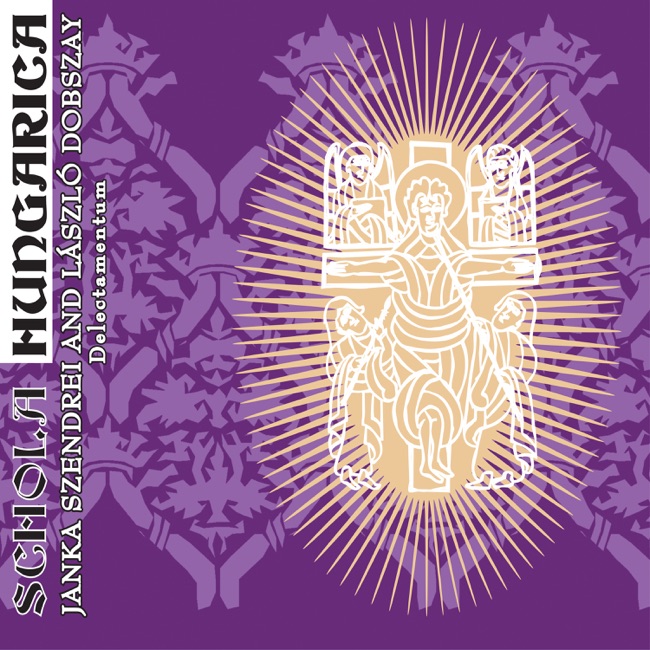
Featured Album
Works Info
Composer:Medieval Hungarian Polyphony AnonymousGenre:ChoralStyle:ChoralAverage_duration:2:34"Quicumque manducaverit" is a medieval Hungarian polyphony anonymous composition that was composed during the 14th century. The piece is a sacred motet that was written in Latin and is believed to have been performed during religious ceremonies. The premiere of the piece is unknown, but it is believed to have been performed in churches and cathedrals throughout Hungary during the medieval period. The composition consists of three movements, each with its own distinct characteristics. The first movement is a monophonic chant that sets the tone for the piece. The second movement is a polyphonic section that features two or more voices singing different melodies simultaneously. The third movement is a return to the monophonic chant, which brings the piece to a close. The characteristics of "Quicumque manducaverit" are typical of medieval sacred music. The piece is written in a modal style, which was common during the medieval period. The melody is based on a Gregorian chant, which is a type of plainchant that was used in the Catholic Church during the medieval period. The piece also features a drone, which is a sustained note that is played throughout the composition. Overall, "Quicumque manducaverit" is a beautiful example of medieval Hungarian polyphony anonymous composition. Its use of modal melodies, Gregorian chants, and drones make it a unique and memorable piece of music that is still performed and enjoyed today.More....
Works Music