


Jean-Jacques Dunki
Released Album
Chamber
-
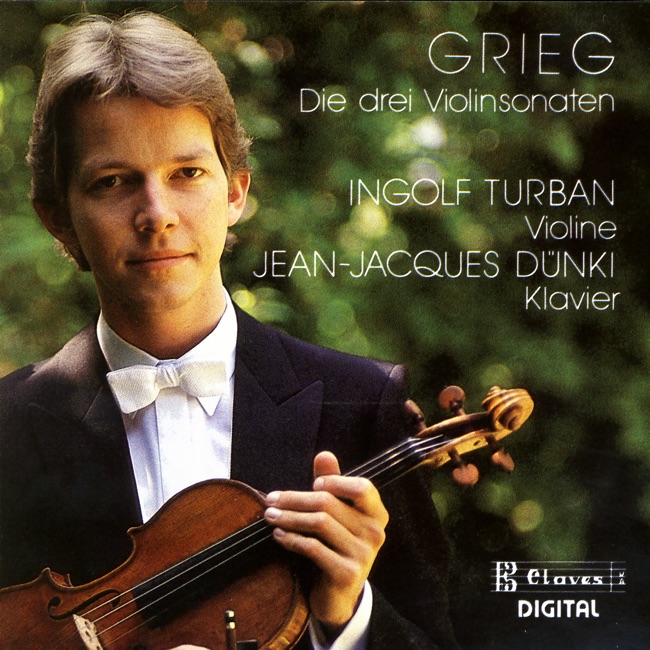 October 1, 1999
 -
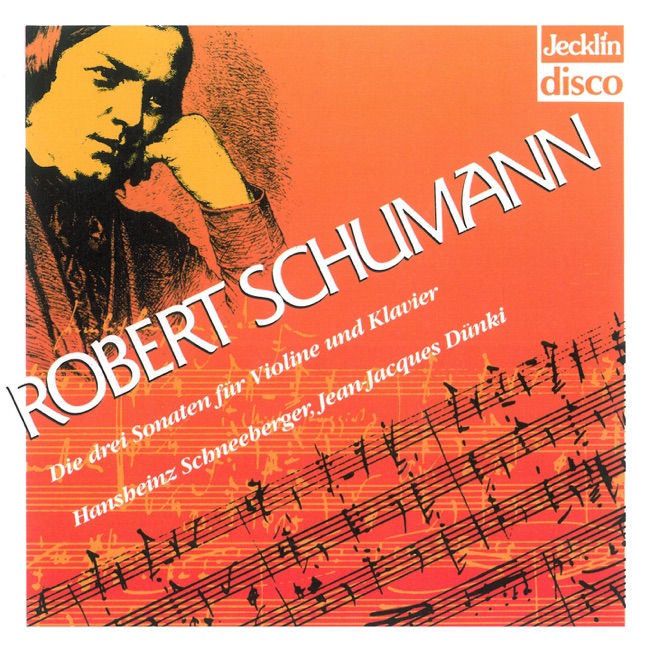
-
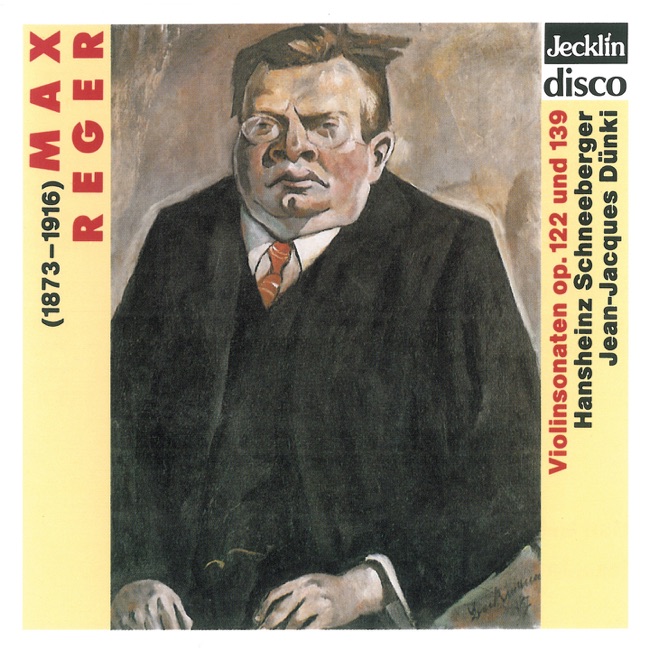
Keyboard
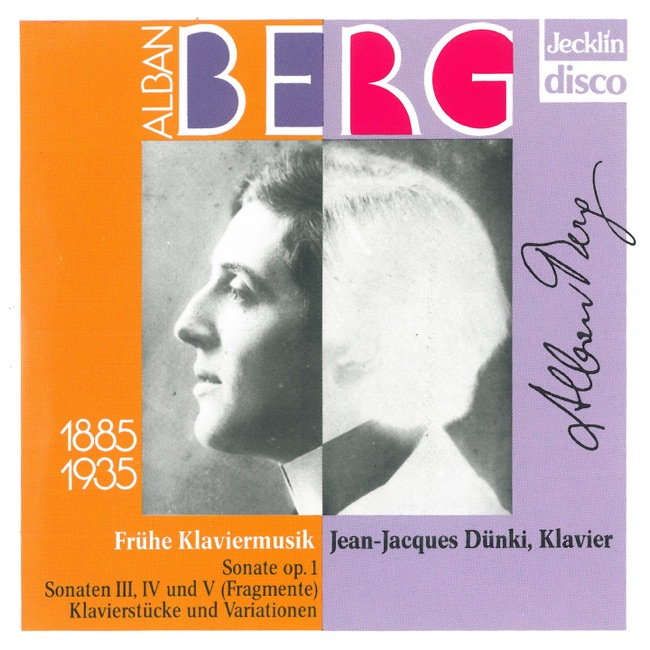
Artist Info
Period:RomanticContemporaryModernGenre:ChamberKeyboardVocalJean-Jacques Dunki was a renowned classical music artist who was born on May 15, 1945, in Geneva, Switzerland. He was the son of a music teacher and grew up in a family that was passionate about music. From a young age, Dunki showed a keen interest in music and began playing the piano at the age of six. Dunki's talent was quickly recognized, and he began taking piano lessons with some of the best teachers in Switzerland. He also studied music theory and composition, which helped him develop a deep understanding of classical music. In 1963, Dunki moved to Paris to study at the Conservatoire de Paris. He studied under some of the most renowned piano teachers of the time, including Yvonne Lefébure and Pierre Sancan. During his time at the conservatory, Dunki won several awards and prizes for his exceptional talent. After completing his studies, Dunki began performing in concerts across Europe. He quickly gained a reputation as a talented and passionate pianist, and his performances were highly acclaimed by audiences and critics alike. One of Dunki's most memorable performances was at the 1972 International Tchaikovsky Competition in Moscow. He performed Tchaikovsky's Piano Concerto No. 1 and received a standing ovation from the audience. His performance was praised for its technical brilliance and emotional depth, and he was awarded the second prize in the competition. Dunki continued to perform in concerts and recitals throughout the 1970s and 1980s. He also began recording his performances, and his recordings of works by Chopin, Beethoven, and Mozart were highly praised by critics. In 1990, Dunki was awarded the prestigious Prix de Lausanne, which is awarded to young dancers and musicians who show exceptional talent and promise. The award helped to further cement Dunki's reputation as one of the most talented classical music artists of his time. Throughout his career, Dunki was known for his passionate and emotional performances. He had a deep understanding of the music he played and was able to convey its meaning and emotion to his audiences. His performances were often described as transcendent, and he was widely regarded as one of the greatest pianists of his generation. Dunki continued to perform and record music until his death in 2005. He left behind a legacy of exceptional performances and recordings that continue to inspire and move audiences today. His contributions to classical music will always be remembered and celebrated, and he will always be remembered as one of the greatest pianists of all time.More....
Recent Artist Music

Copyright Ⓒ 2013 Davinci Finger. All rights reseved
Service Terms & Policy