


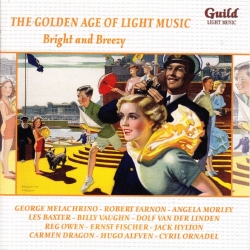
Carmen Dragon
Released Album
Opera
-
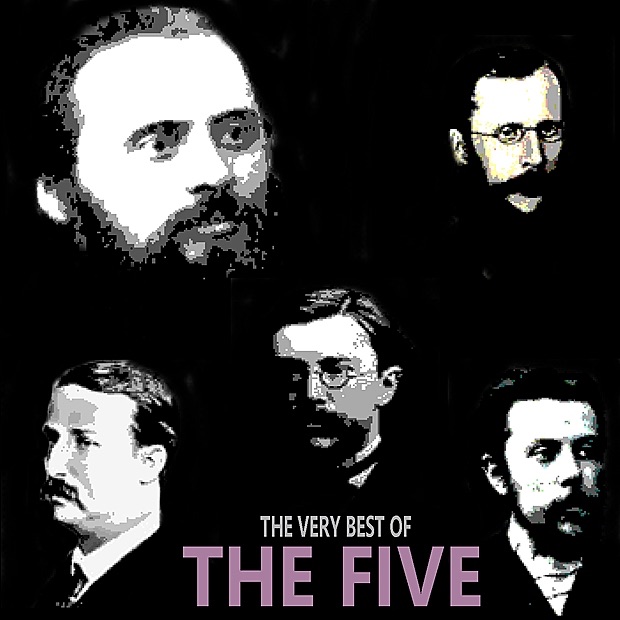 February 1, 2010
Vocal
-
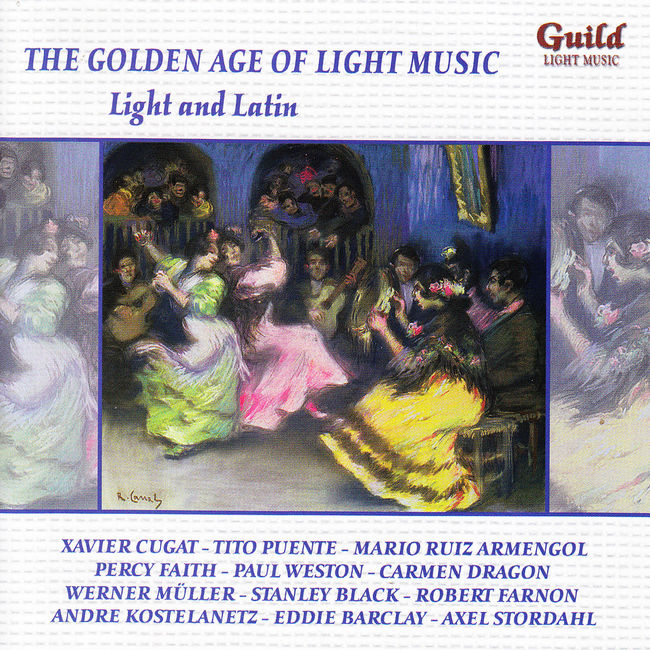 January 15, 2014
 -
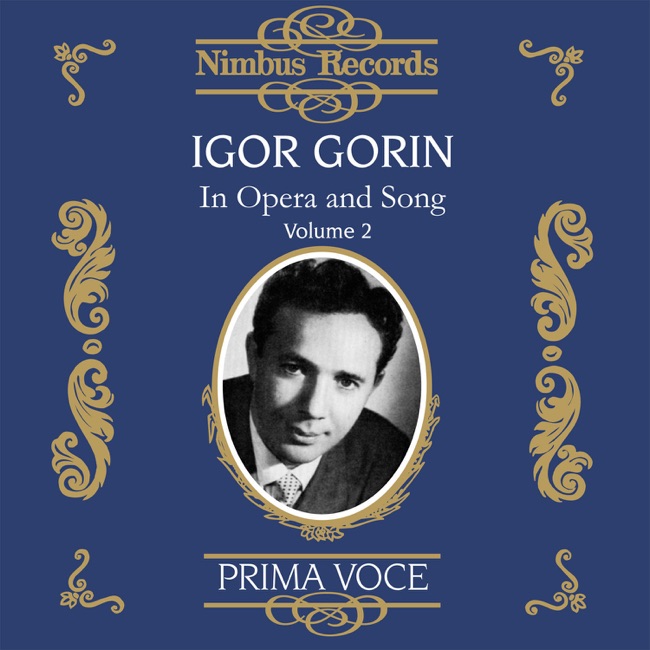 August 12, 2008
 -
 February 12, 2002
Keyboard
-
 January 3, 2015
Artist Info
Role:Composer ConductorCountry: United States of AmericaBirth:July 28, 1914 in Antioch, CADeath:March 28, 1984 in Los Angeles, CAPeriod:RomanticModernGenre:OperaCarmen Dragon was a renowned American conductor, composer, and arranger who made significant contributions to the world of classical music. Born on July 28, 1914, in Antioch, California, Dragon was the son of a musical family. His father, Frank Dragon, was a violinist, and his mother, Grace Dragon, was a pianist. Carmen Dragon's musical talent was evident from a young age, and he began playing the piano and violin at the age of five. Dragon's family moved to Los Angeles when he was a child, and he continued to develop his musical skills. He attended Los Angeles High School, where he played in the school orchestra and studied under the renowned composer Arnold Schoenberg. After graduating from high school, Dragon attended the University of Southern California, where he studied music composition and conducting. In 1934, Dragon joined the Glendale Symphony Orchestra as a violinist. He quickly rose through the ranks and became the orchestra's conductor in 1940. Dragon's talent as a conductor was evident, and he soon became one of the most sought-after conductors in the country. He conducted many of the major orchestras in the United States, including the Los Angeles Philharmonic, the New York Philharmonic, and the Boston Symphony Orchestra. Dragon was also a prolific composer and arranger. He wrote music for films, television shows, and commercials, and his arrangements of popular songs were widely popular. He won an Academy Award for Best Music, Scoring of a Musical Picture for his work on the 1954 film "Seven Brides for Seven Brothers." One of Dragon's most significant contributions to classical music was his work as a conductor of pops concerts. He believed that classical music should be accessible to everyone, and he worked to make it more approachable by incorporating popular songs and other familiar tunes into his concerts. Dragon's pops concerts were hugely popular, and he conducted them all over the world. Dragon's career was not without controversy, however. In 1957, he was fired from his position as conductor of the Hollywood Bowl Orchestra after he refused to sign a loyalty oath. Dragon was a vocal opponent of the oath, which required public employees to swear that they were not members of the Communist Party. He believed that the oath was a violation of his civil liberties, and he refused to sign it. Dragon's firing caused a public outcry, and he was eventually reinstated after a public campaign. Despite this setback, Dragon continued to have a successful career. He conducted the National Symphony Orchestra in Washington, D.C., and he was a regular guest conductor with the Dallas Symphony Orchestra. He also continued to compose and arrange music, and his work remained popular with audiences around the world. Carmen Dragon died on March 28, 1984, at the age of 69. He left behind a legacy of musical excellence and innovation. His contributions to classical music, particularly his work as a conductor of pops concerts, helped to make the genre more accessible to a wider audience. Dragon's talent as a composer and arranger also helped to bridge the gap between classical music and popular culture. He remains an important figure in the history of American classical music.More....









Copyright Ⓒ 2013 Davinci Finger. All rights reseved
Service Terms & Policy