


Julius Röntgen
Released Album
Chamber
-
-
 February 7, 2020
 -
 February 7, 2020
 -
 October 28, 2016
 -
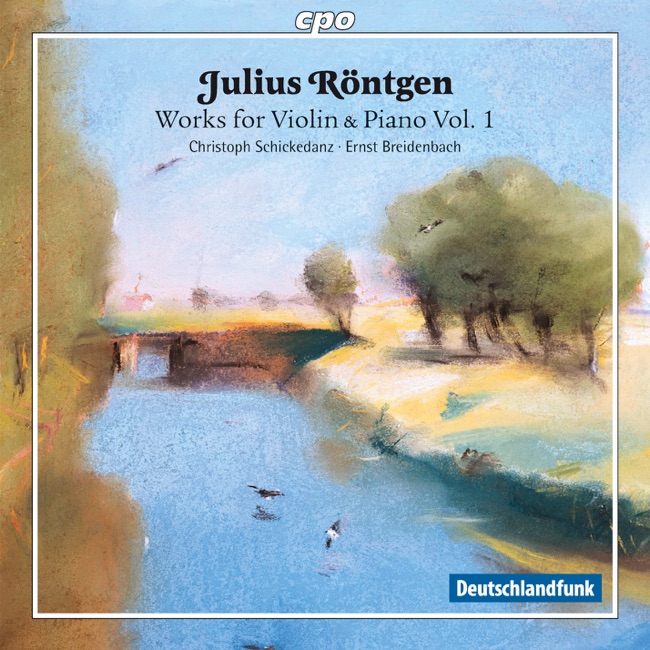 March 11, 2016
 -
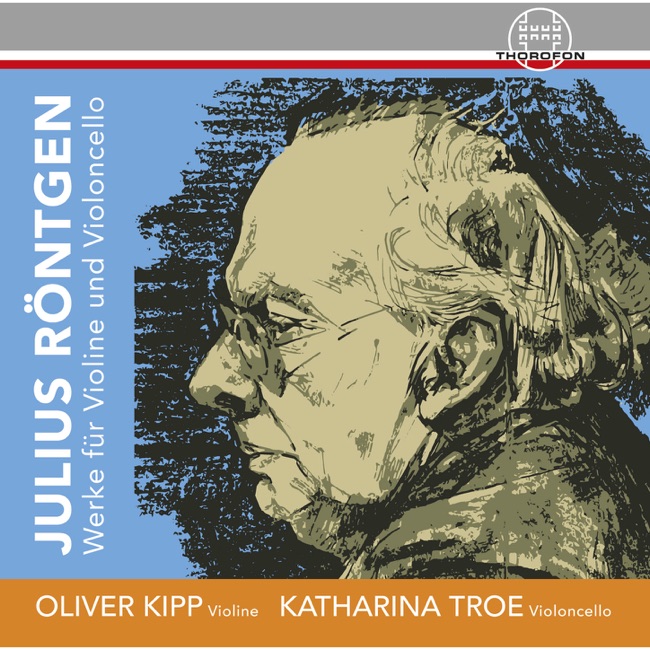 February 12, 2016
Orchestral
-
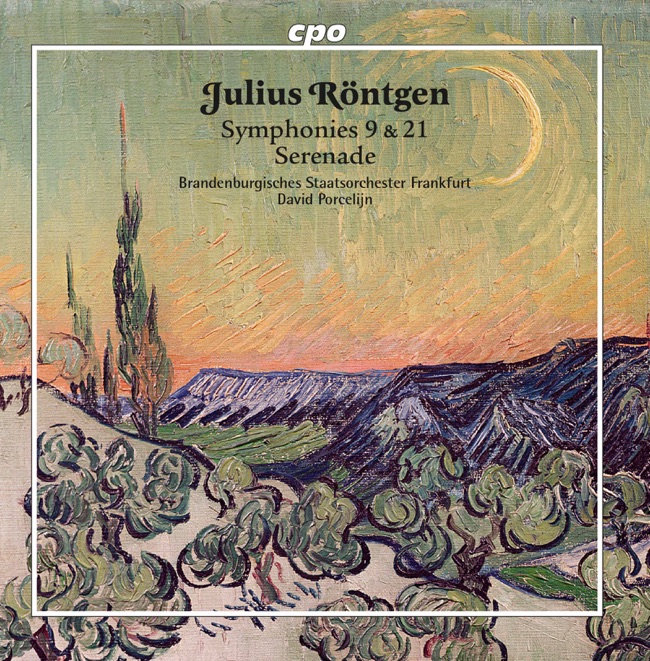 April 7, 2017
 -
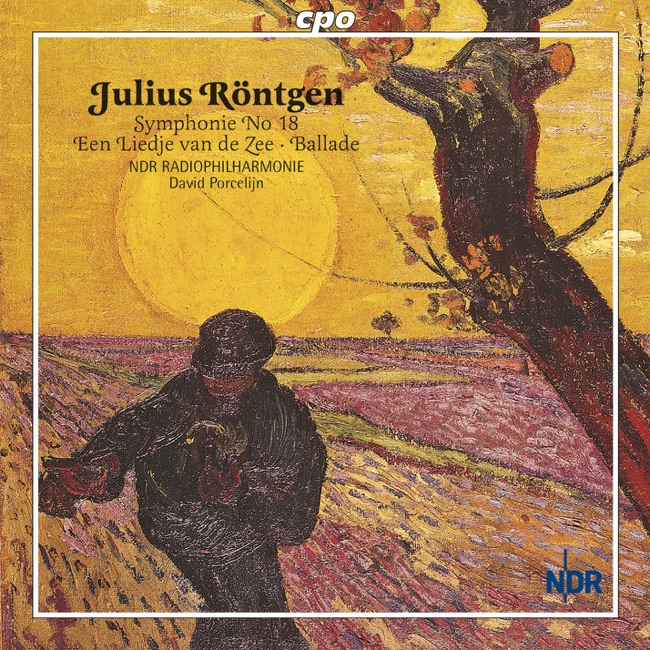 February 24, 2009
 -
 August 26, 2008
 -
 March 27, 2007
 -
 July 15, 1997
Symphony
-
 November 5, 2021
 -
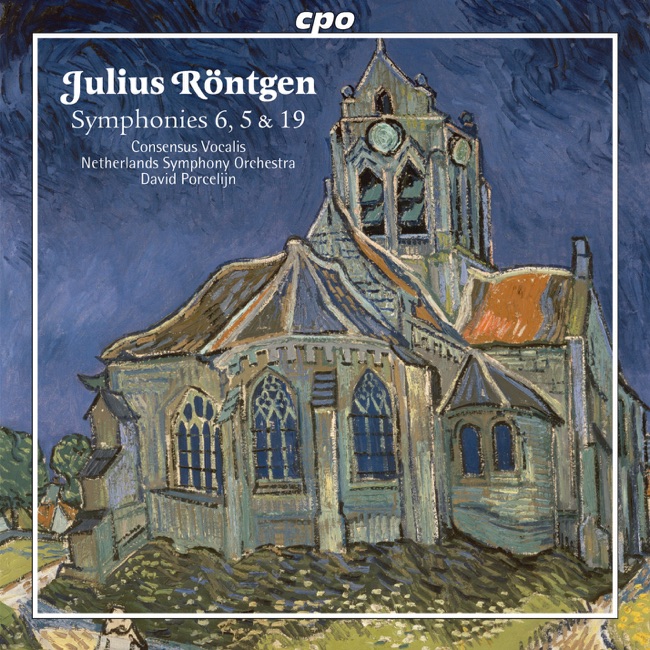 May 29, 2012
 -
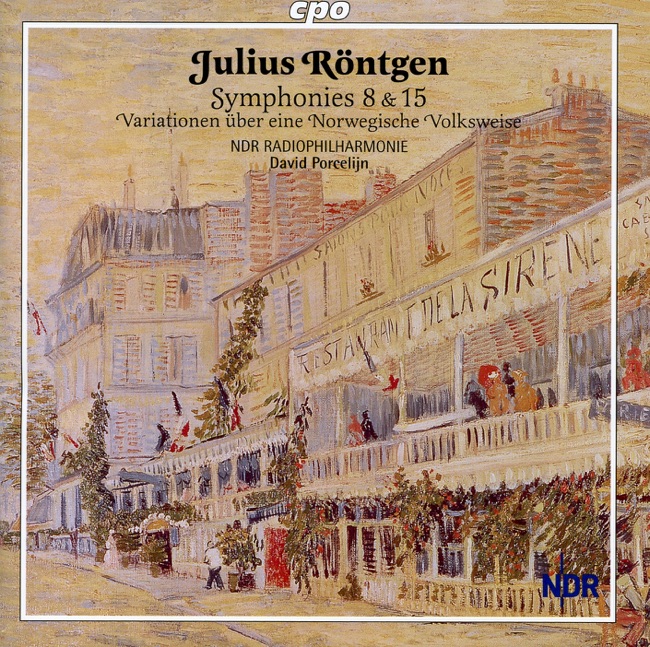 September 29, 2009
Keyboard
-
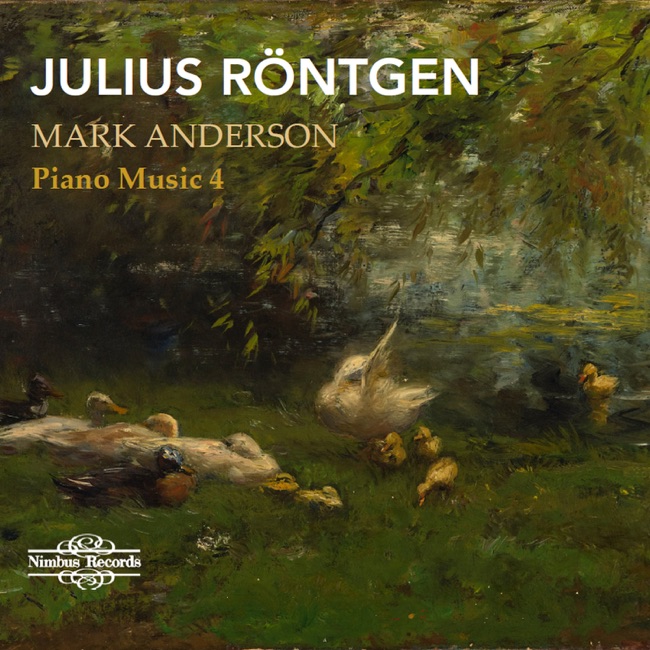 March 1, 2019
 -
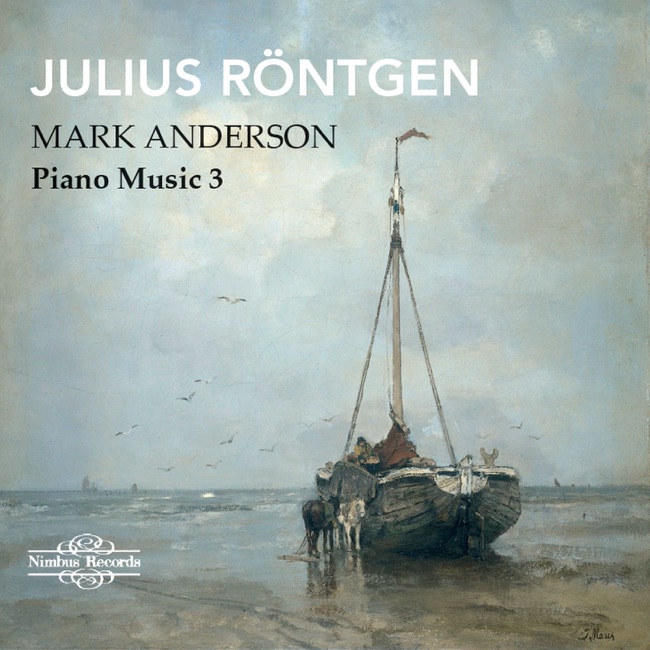 August 4, 2017
 -
 March 11, 2016
 -
 September 4, 2015
 -
 June 9, 2015
Artist Info
Role:ComposerCountry: NetherlandsBirth:May 9, 1855 in Leipzig, GermanyDeath:September 13, 1932 in Amsterdam, The NetherlandsPeriod:RomanticContemporaryGenre:ChamberChoralKeyboardOrchestralJulius Röntgen was a Dutch-German composer and pianist who was born on May 9, 1855, in Leipzig, Germany. He was the son of a Dutch violinist, Engelbert Röntgen, and a German pianist, Pauline Klengel. Julius Röntgen was the youngest of six children, and his siblings were also musically talented. His brother, Julius, was a cellist, and his sister, Amanda, was a pianist. Julius Röntgen began his musical education at a young age, studying piano with his mother and violin with his father. He made his public debut as a pianist at the age of six and gave his first public concert as a violinist at the age of nine. He continued his studies in Leipzig and later in Frankfurt, where he studied with Clara Schumann, the wife of the composer Robert Schumann. In 1877, Julius Röntgen moved to Amsterdam, where he became the principal conductor of the Amsterdam Concertgebouw Orchestra. He also taught at the Amsterdam Conservatory and became a Dutch citizen in 1895. During his time in Amsterdam, Julius Röntgen composed many works, including symphonies, chamber music, and operas. One of Julius Röntgen's most significant works is his Symphony No. 1 in C minor, which he composed in 1887. The symphony is in four movements and is notable for its use of Dutch folk melodies. Another notable work is his Piano Concerto No. 1 in D minor, which he composed in 1897. The concerto is in three movements and features virtuosic piano writing. Julius Röntgen was also a prolific composer of chamber music. He composed over 200 works for various chamber ensembles, including string quartets, piano trios, and sonatas. One of his most famous chamber works is his Sonata for Violin and Piano No. 2 in G major, which he composed in 1916. The sonata is in four movements and is known for its lyrical melodies and virtuosic violin writing. In addition to his work as a composer, Julius Röntgen was also a respected pianist. He performed extensively throughout Europe and was known for his interpretations of the works of Bach, Beethoven, and Schumann. He also performed his own compositions, including his Piano Sonata No. 1 in C minor, which he premiered in 1881. Julius Röntgen's career as a composer and pianist spanned over six decades. He continued to compose and perform until his death on September 13, 1932, in Utrecht, Netherlands. His legacy as a composer and musician continues to be celebrated today, and his works are still performed and recorded by musicians around the world.More....
Recent Artist Music
5
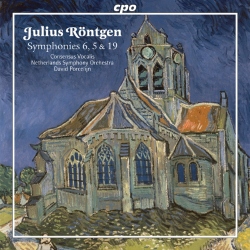
Symphony No. 6 ("Rijck God, like sal ic claghen")
Symphony No. 6 "Rijck God, wie sal ic claghen"
16:32
Copyright Ⓒ 2013 Davinci Finger. All rights reseved
Service Terms & Policy