Julius Röntgen
Sonata for violin & piano in E major, Op. 40
Released Album
Recent Album
Works Info
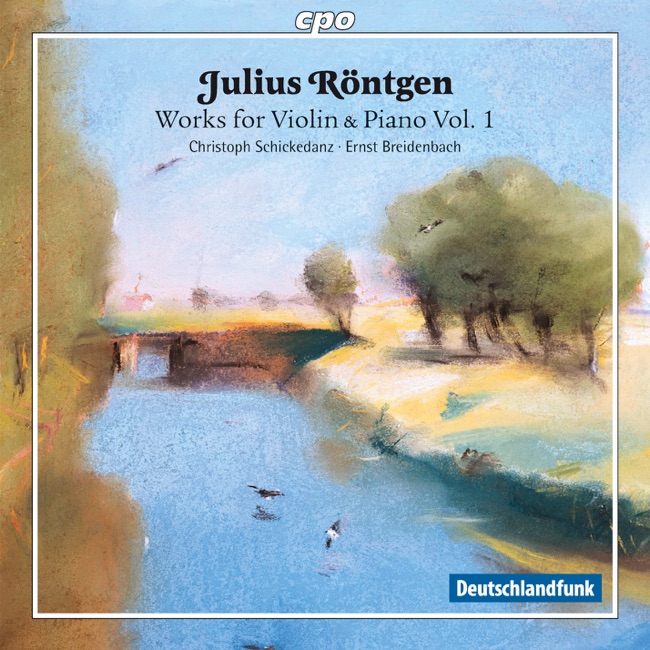
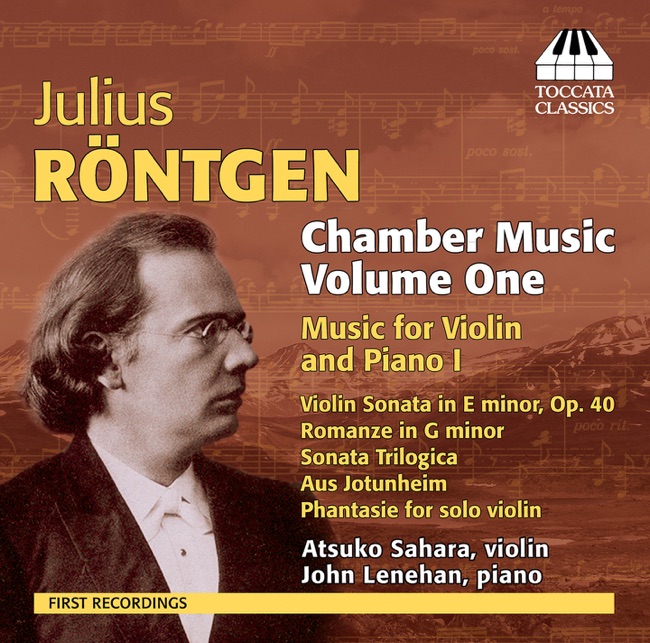
Composer:Julius RöntgenGenre:ChamberCompose Date:1900Average_duration:21:06Julius Röntgen's Sonata for violin and piano in E major, Op. 40, was composed in 1915 and premiered in Amsterdam on January 26, 1916. The sonata consists of three movements: Allegro moderato, Adagio, and Allegro con spirito. The first movement, Allegro moderato, begins with a lyrical and expressive violin melody that is soon joined by the piano. The two instruments engage in a lively dialogue, with the violin taking on a more virtuosic role as the movement progresses. The middle section of the movement features a more subdued and introspective theme, before returning to the opening material for a triumphant conclusion. The second movement, Adagio, is a beautiful and melancholic piece that showcases the expressive capabilities of both instruments. The violin takes on a singing quality, while the piano provides a delicate and supportive accompaniment. The movement builds to a powerful climax before fading away into a quiet and introspective coda. The final movement, Allegro con spirito, is a lively and energetic piece that brings the sonata to a thrilling conclusion. The violin and piano engage in a playful and virtuosic dialogue, with both instruments taking turns leading the way. The movement features a number of memorable themes and motifs, and builds to a thrilling and triumphant finale. Overall, Röntgen's Sonata for violin and piano in E major, Op. 40, is a beautiful and expressive work that showcases the composer's skill at writing for both instruments. The sonata is characterized by its lyrical melodies, expressive harmonies, and virtuosic passages, and is a testament to Röntgen's talent as a composer.More....
Works Music
Released Music