


Karl Amadeus Hartmann
Released Album
Symphony
-
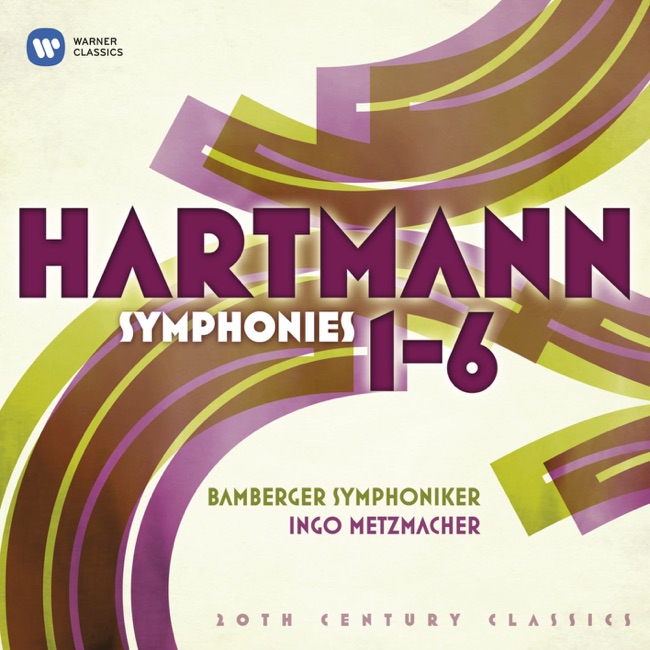 June 21, 2011
 -
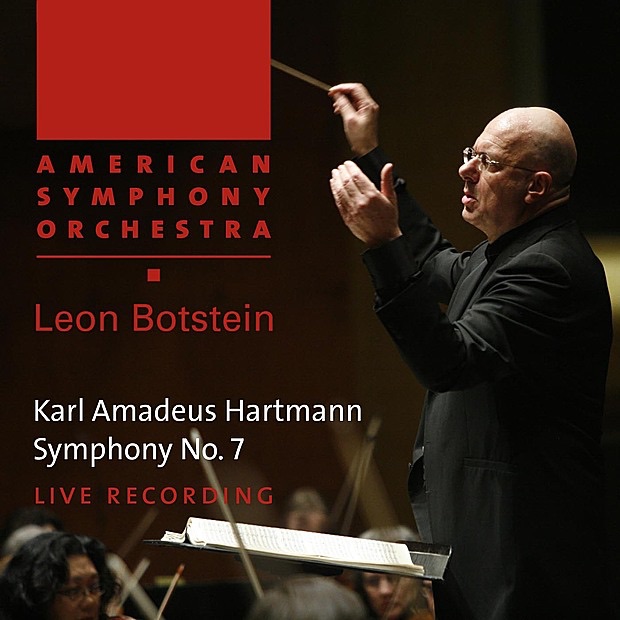 November 1, 2010
 -
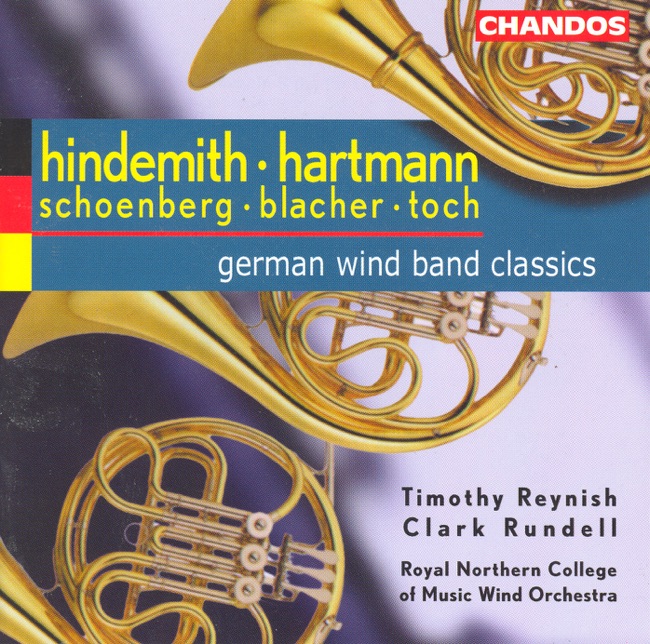 March, 2000
 -
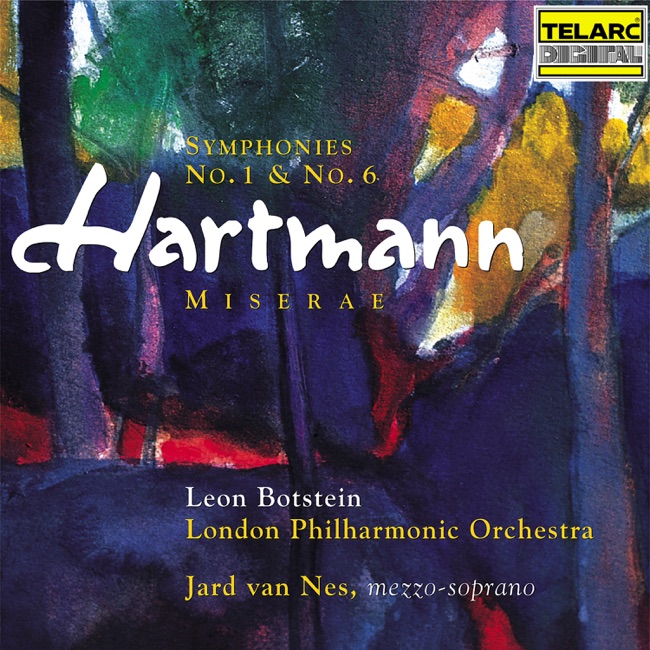 July 27, 1999
 -
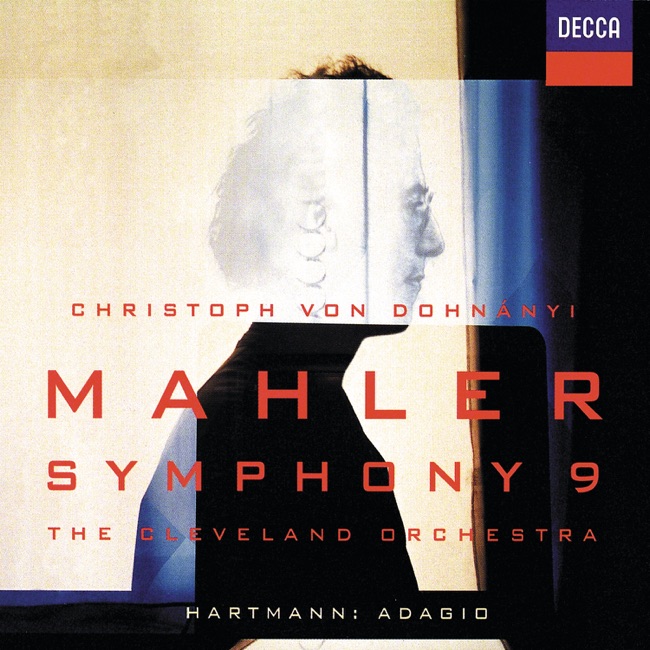 April 13, 1999
 -
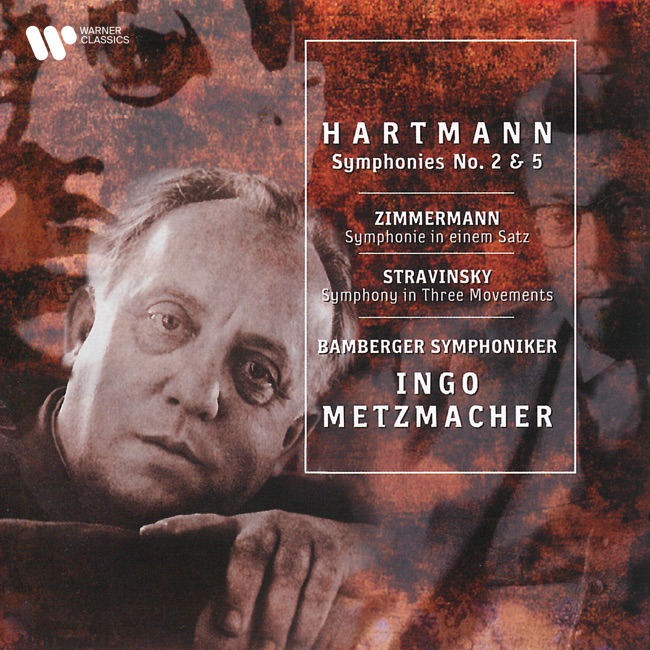
Concerto
-
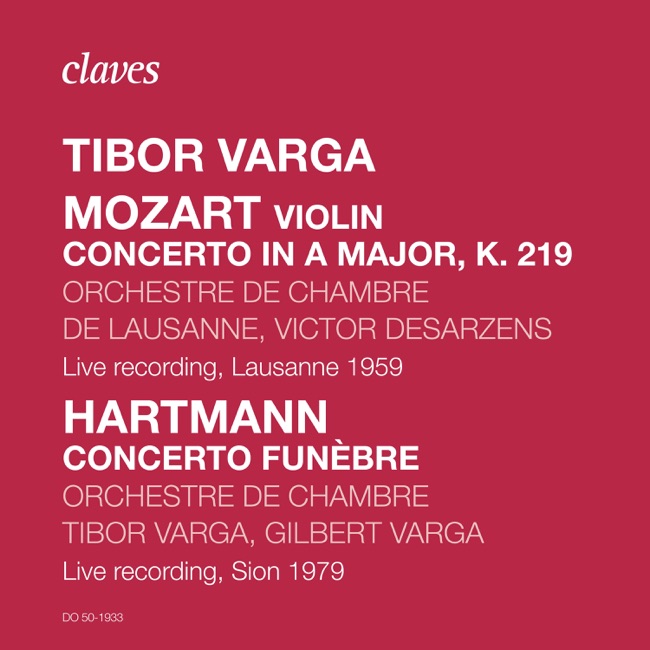 October 18, 2019
 -
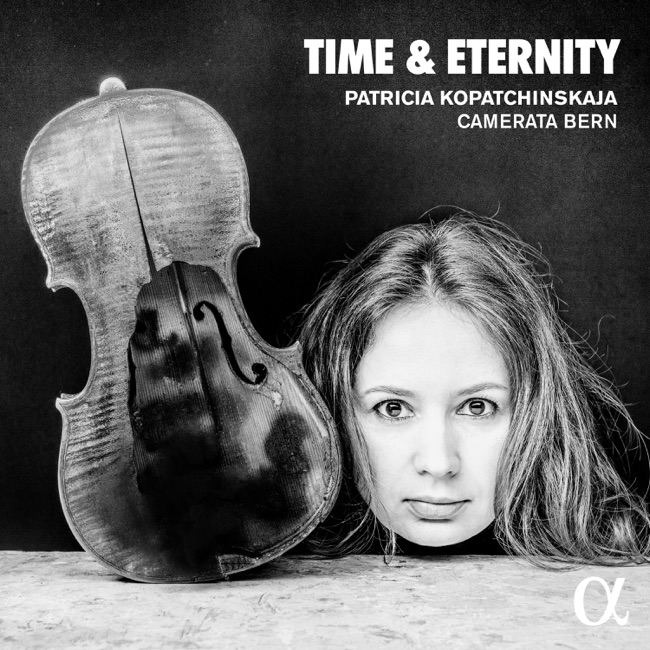 September 13, 2019
 -
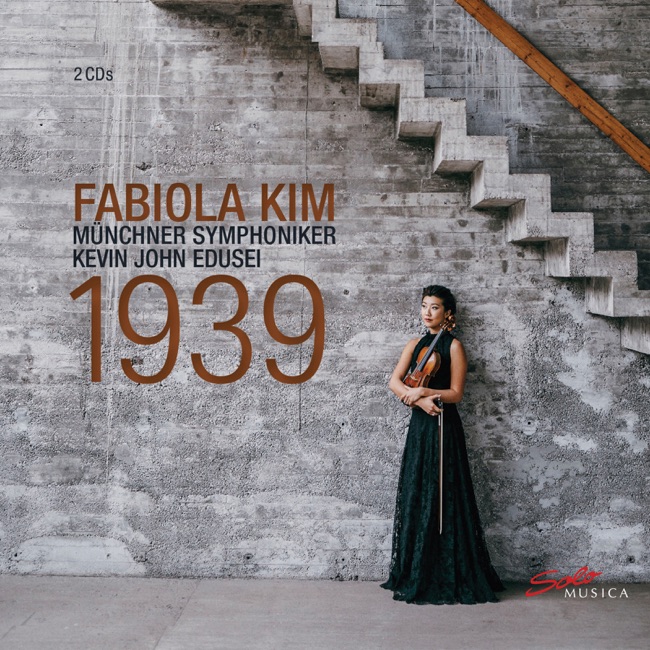 June 21, 2019
 -
-
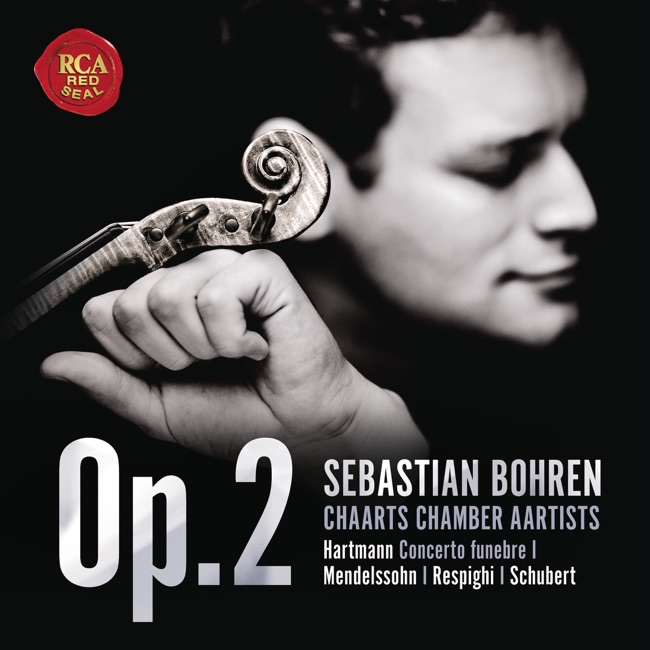 April 21, 2017
 -
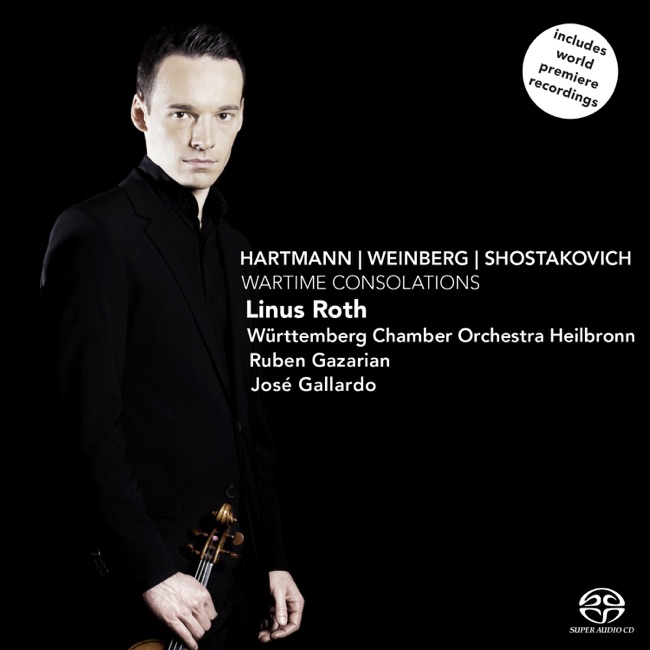 June 22, 2015
Chamber
-
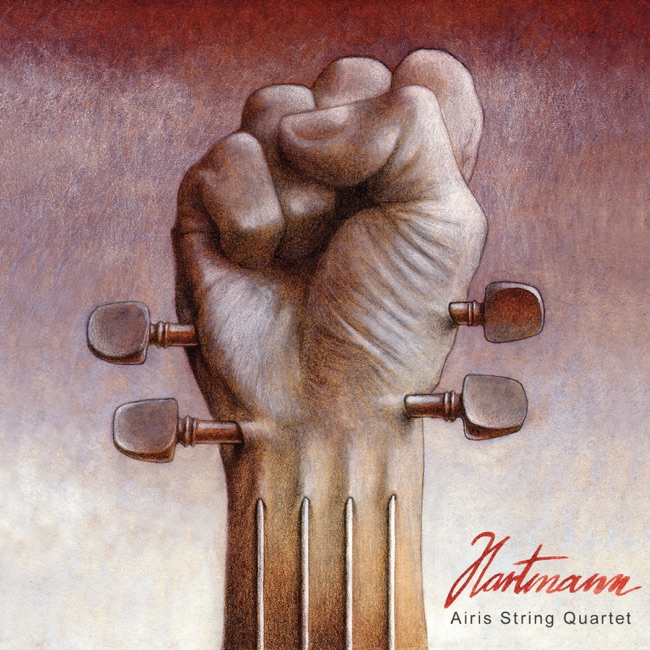 February 8, 2019
 -
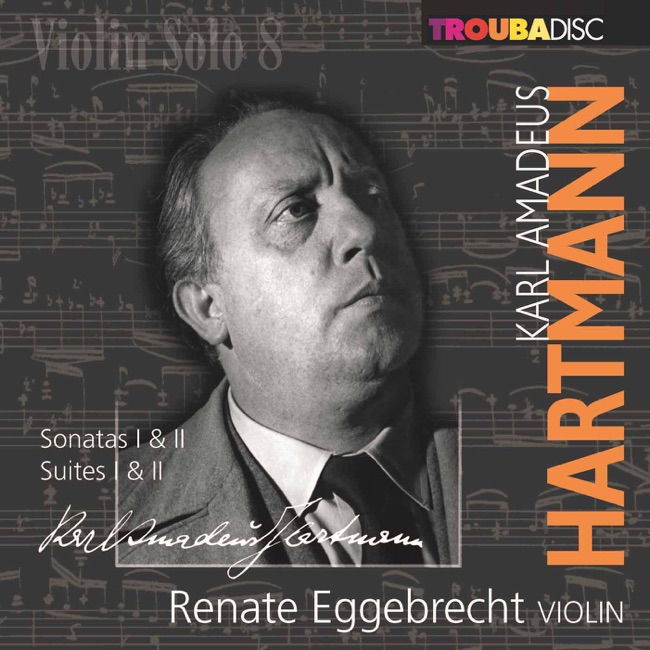 September 30, 2016
 -
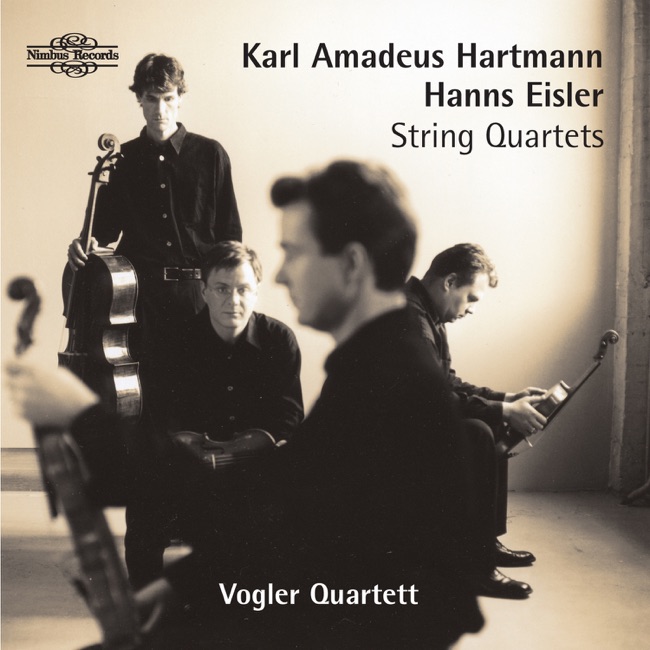 February 2, 2004
 -
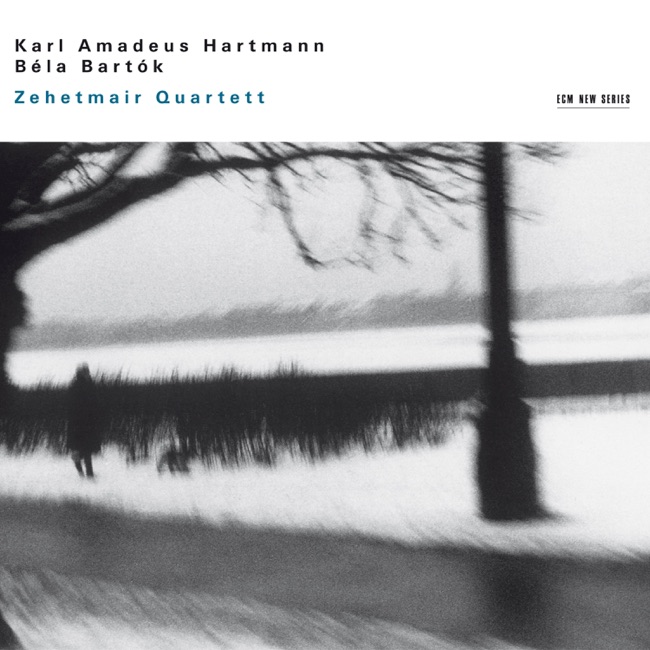 May 15, 2001
 -
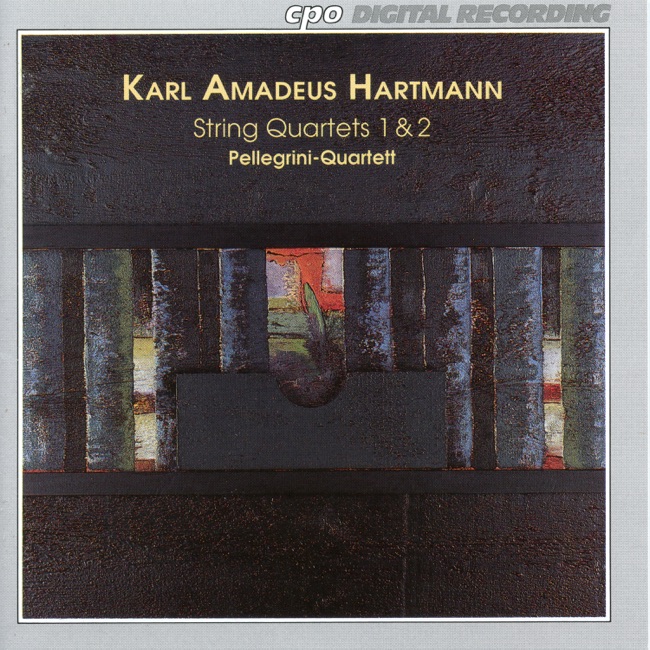 January 25, 1995
 -
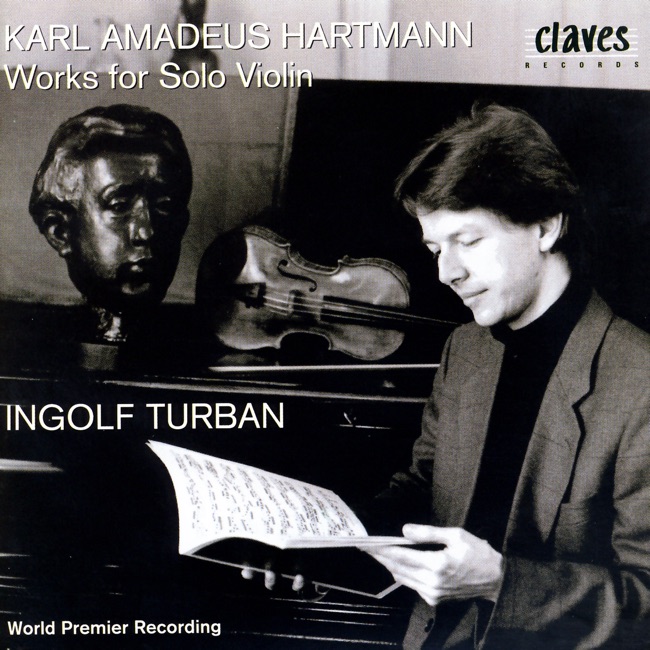 January 1, 1995
Keyboard
-
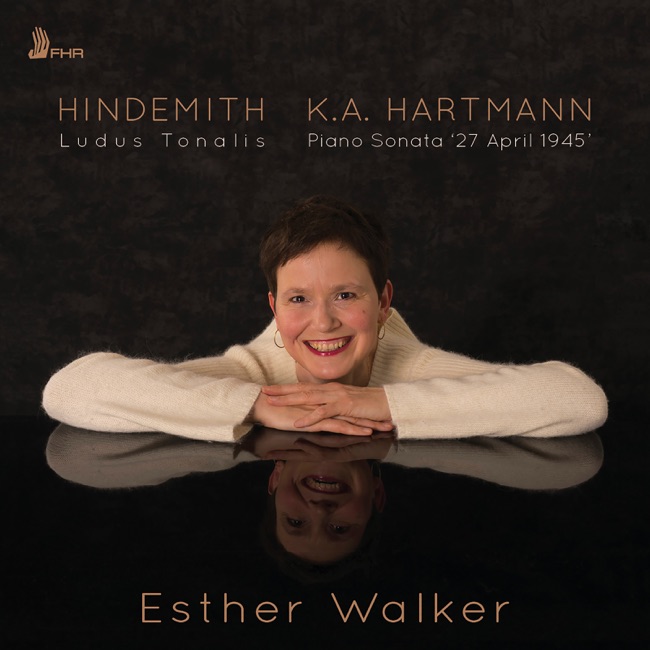
-
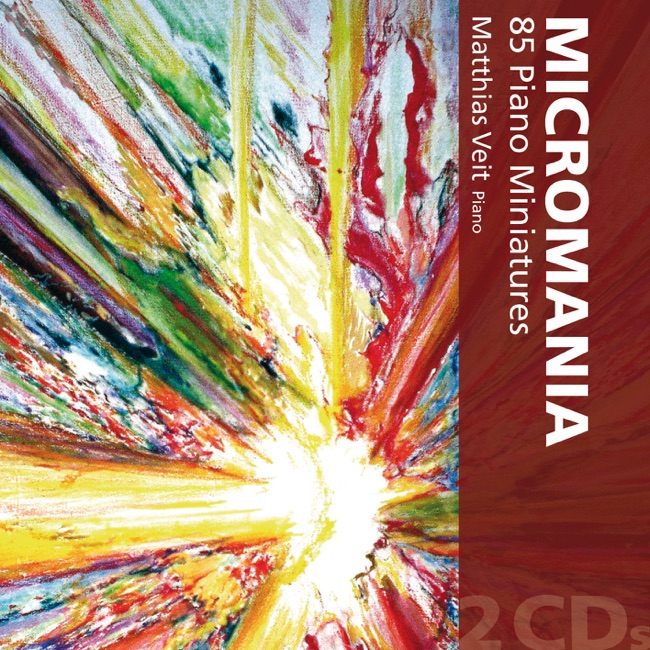 September 26, 2012
 -
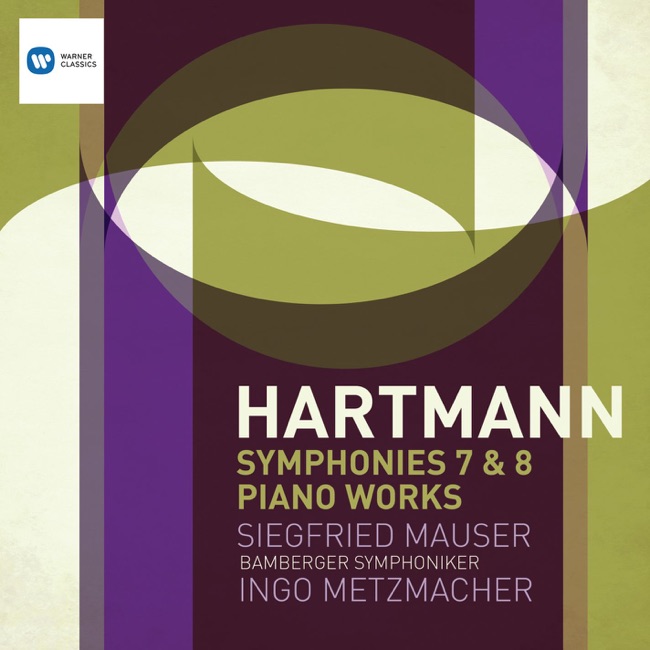 January 9, 2012
 -
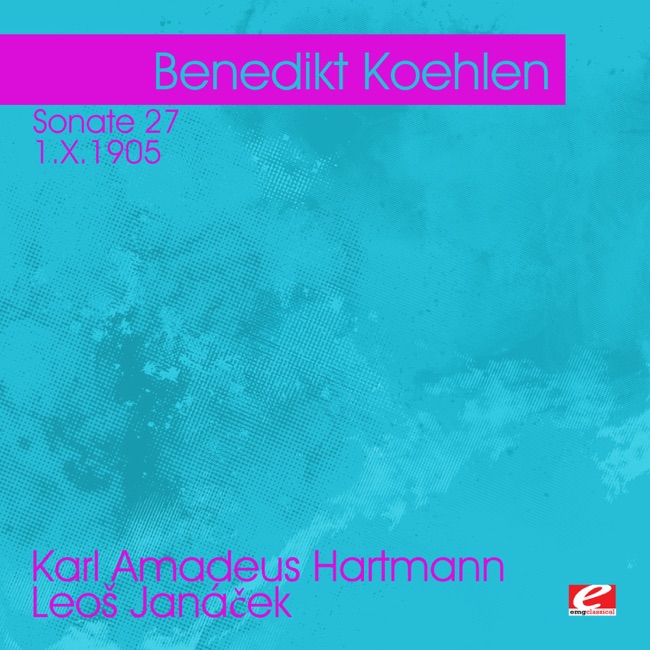 December 7, 2010
 -
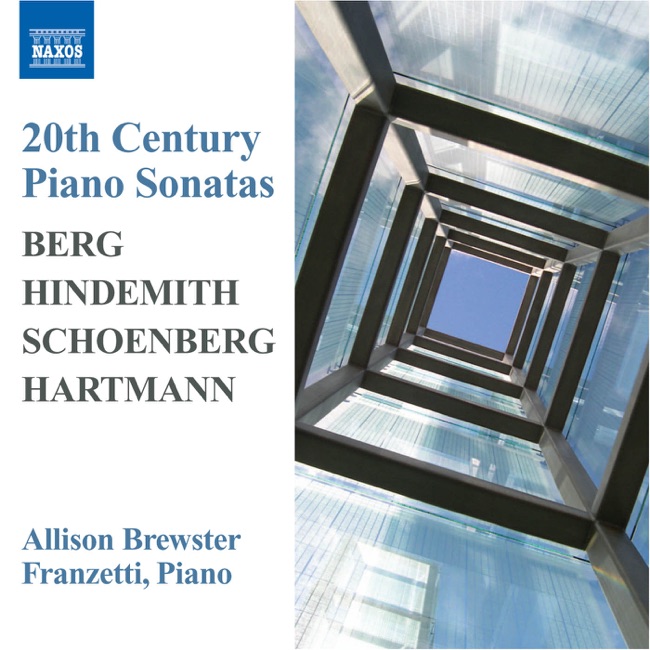 July 31, 2007
 -
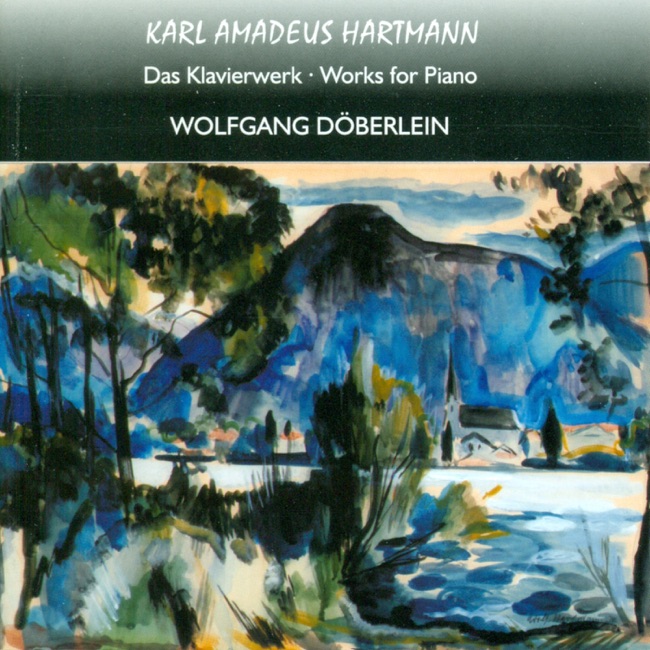 May 30, 2006
Artist Info
Role:ComposerCountry: GermanyBirth:August 2, 1905 in Munich, GermanyDeath:December 5, 1963 in Munich, GermanyPeriod:ModernGenre:ChamberConcertoKeyboardSymphonyKarl Amadeus Hartmann was a German composer who was born on August 2, 1905, in Munich, Germany. He was the son of a physician and a pianist, and his parents encouraged his interest in music from a young age. Hartmann began studying the violin at the age of six and later took up the piano and composition. Hartmann's early musical education was influenced by the works of Richard Strauss and Gustav Mahler, but he was also drawn to the music of Arnold Schoenberg and the Second Viennese School. In 1924, he began studying composition with Joseph Haas at the Munich Academy of Music, where he also studied conducting with Hermann Scherchen. Hartmann's early works were influenced by the neoclassical style of Stravinsky and the expressionism of Schoenberg. His first major work, the Symphony No. 1, was completed in 1929 and premiered in 1930. The symphony was well-received and established Hartmann as a promising young composer. In the early 1930s, Hartmann became increasingly concerned with the rise of fascism in Germany. He joined the anti-fascist group "Neue Musik" and began incorporating political themes into his music. His Symphony No. 2, completed in 1937, was dedicated to the victims of fascism and included a setting of a poem by the anti-fascist writer Erich Kästner. During World War II, Hartmann was drafted into the German army but was able to avoid combat by working as a medical orderly. He continued to compose during this time, but his music was not performed publicly due to the political climate in Germany. After the war, Hartmann became involved in the reconstruction of German musical life. He helped to found the Munich Chamber Orchestra and served as its conductor from 1945 to 1956. He also taught composition at the Munich Academy of Music and was a mentor to many young composers, including Hans Werner Henze and Wolfgang Rihm. Hartmann's post-war works continued to explore political themes and the human condition. His Symphony No. 4, completed in 1948, was dedicated to the victims of the Holocaust and included a setting of a poem by the Jewish poet Paul Celan. His opera "Simplicius Simplicissimus," completed in 1948, was based on a novel by Hans Jakob Christoffel von Grimmelshausen and dealt with the themes of war and human suffering. Hartmann's later works were more introspective and focused on the individual's struggle for meaning in a chaotic world. His Symphony No. 6, completed in 1955, was dedicated to the memory of his father and included a setting of a poem by the German poet Rainer Maria Rilke. His String Quartet No. 2, completed in 1959, was dedicated to the memory of his mother and explored themes of loss and grief. Hartmann's music was often characterized by its dissonant harmonies, complex rhythms, and use of extended techniques. He was also known for his use of quotations from other composers and folk music, which he incorporated into his own works in a highly original way. Hartmann's contributions to German music were recognized with numerous awards and honors, including the Order of Merit of the Federal Republic of Germany and the Bavarian Maximilian Order for Science and Art. He died on December 5, 1963, in Munich, Germany, leaving behind a legacy of powerful and thought-provoking music.More....
Recent Artist Music
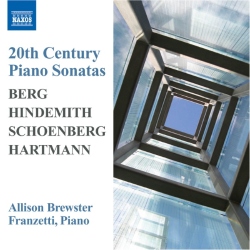
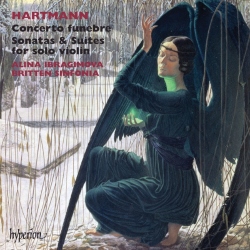
3
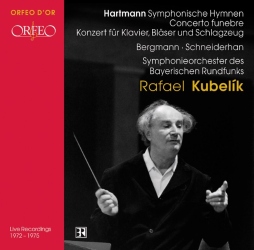
6:5
4
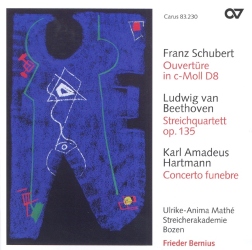
8:3
5
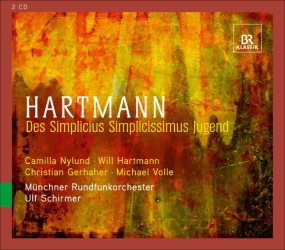
10:11
6
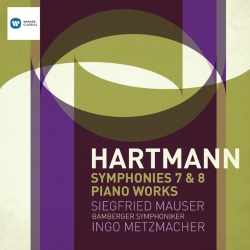
4:9
7
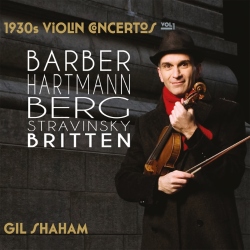
7:19
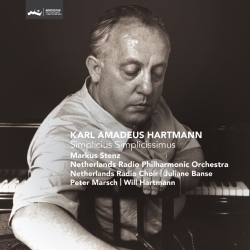
Related Artists
Copyright Ⓒ 2013 Davinci Finger. All rights reseved
Service Terms & Policy