


Luis de Pablo
Released Album
Chamber
-
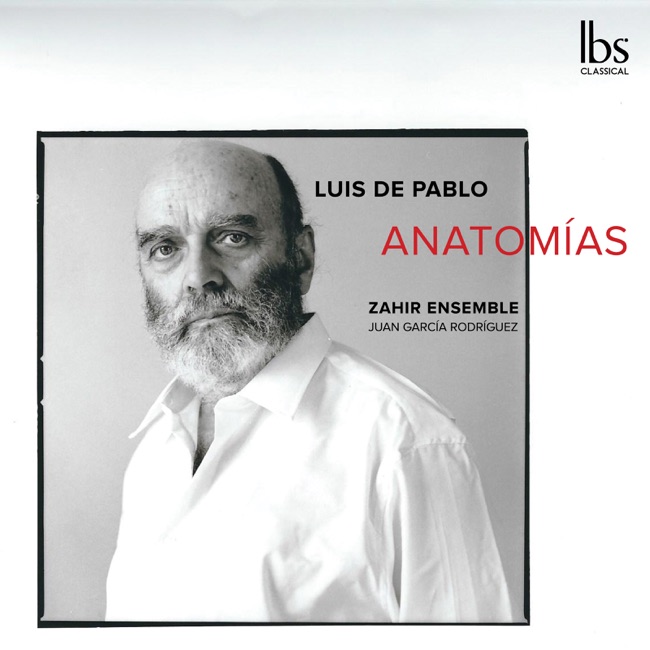 May 24, 2019
 -
 October 14, 2016
 -
 July 29, 2016
 -
 March 31, 2015
 -
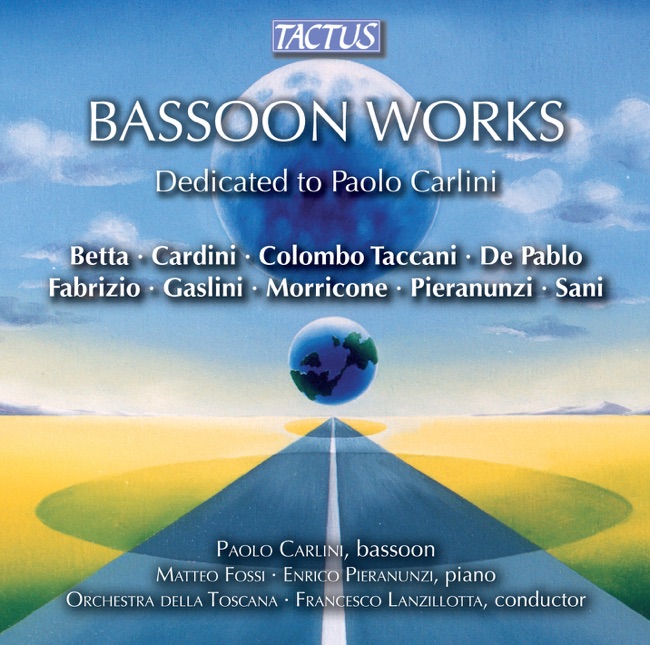 November 4, 2013
 -
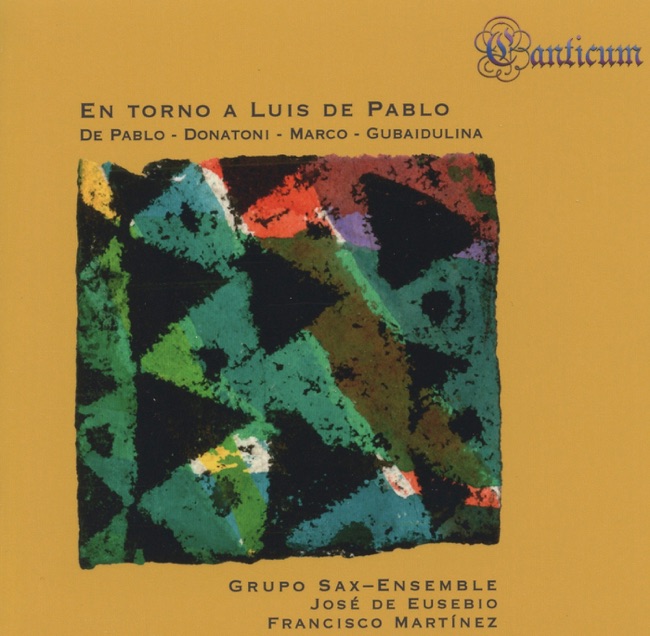 May 29, 2007
Orchestral
-
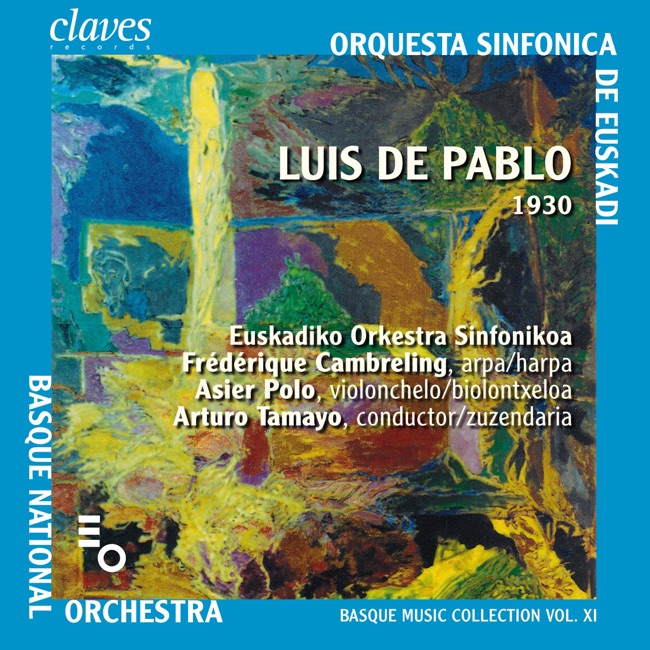 February 9, 2010
 -
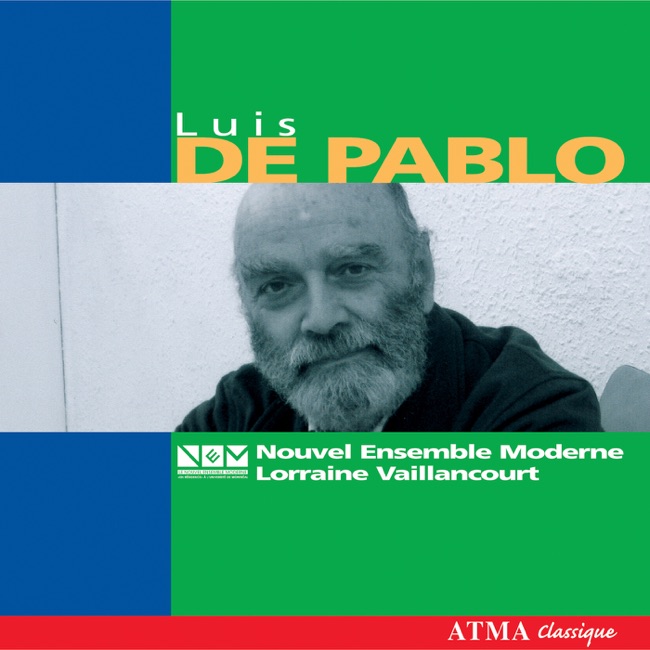 March 28, 2006
Vocal
-
 November 9, 2018
 -
 April 11, 2006
Artist Info
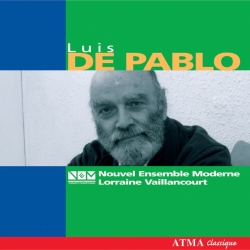
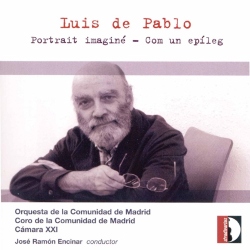
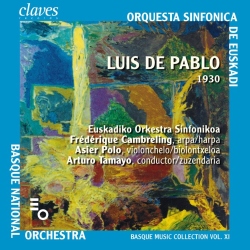
Role:ComposerCountry: SpainBirth:January 28, 1930Death:October 10, 2021Period:ContemporaryGenre:ChamberOrchestralLuis de Pablo is a Spanish composer who was born on January 28, 1930, in Bilbao, Spain. He grew up in a family of musicians, and his father was a composer and conductor. De Pablo began his musical studies at a young age, and he showed a great talent for composition. He studied at the Madrid Royal Conservatory, where he was taught by composer Conrado del Campo. In 1952, de Pablo moved to Paris to study with composer Olivier Messiaen at the Paris Conservatory. Messiaen was a major influence on de Pablo's music, and he encouraged him to explore new techniques and sounds. De Pablo also studied with composer Darius Milhaud and attended the Darmstadt Summer Courses for New Music. De Pablo's early works were influenced by the avant-garde music of the 1950s and 1960s. He experimented with serialism, aleatoric music, and electronic music. His music was characterized by complex rhythms, dissonant harmonies, and unconventional forms. One of de Pablo's early works is his String Quartet No. 1, which was composed in 1957. The piece is a twelve-tone composition that explores the possibilities of the string quartet. It is a challenging work that requires great technical skill from the performers. In the 1960s, de Pablo began to incorporate Spanish folk music into his compositions. He was interested in the traditional music of his country and wanted to create a new kind of Spanish music that was modern and experimental. He also began to use more tonal harmonies and simpler forms in his music. One of de Pablo's most famous works is his opera El viaje a Simorgh (The Journey to Simorgh), which was composed in 1974. The opera is based on a Persian poem and tells the story of a group of birds who go on a journey to find the mythical Simorgh. The music is a fusion of Spanish and Persian music, and it features a large orchestra, chorus, and soloists. The opera was a great success and established de Pablo as one of the leading composers of his generation. In the 1980s, de Pablo continued to explore new sounds and techniques in his music. He began to use more electronic instruments and experimented with computer-generated music. He also continued to incorporate Spanish folk music into his compositions. One of de Pablo's most important works from this period is his Symphony No. 2, which was composed in 1985. The symphony is a tribute to the Spanish poet Federico García Lorca, and it features a large orchestra and chorus. The music is a fusion of Spanish folk music and modernist techniques, and it is a powerful and emotional work. In the 1990s, de Pablo's music became more introspective and personal. He began to use more tonal harmonies and simpler forms, and he focused on creating music that was expressive and emotional. One of de Pablo's most important works from this period is his String Quartet No. 4, which was composed in 1993. The piece is a tribute to the composer's father, who had recently passed away. The music is simple and lyrical, and it is a deeply emotional work that reflects the composer's grief and loss. De Pablo has continued to compose music into his nineties, and he remains one of the most important composers in Spain. His music has been performed all over the world, and he has received numerous awards and honors for his contributions to music. In conclusion, Luis de Pablo is a Spanish composer who has had a significant impact on the world of classical music.More....
Recent Artist Music
15
3:34
Copyright Ⓒ 2013 Davinci Finger. All rights reseved
Service Terms & Policy