


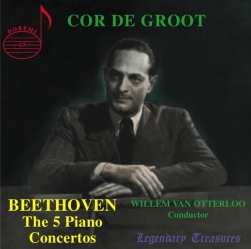
Cor De Groot
Released Album
Keyboard
-
 December 6, 2013
 -
 July 13, 2012
 -
 June 11, 2010
 -
Concerto
-
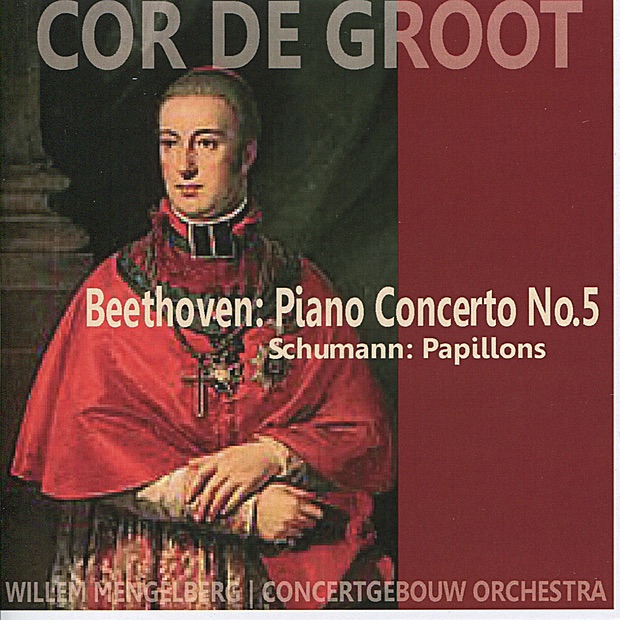 September 5, 2010
 -
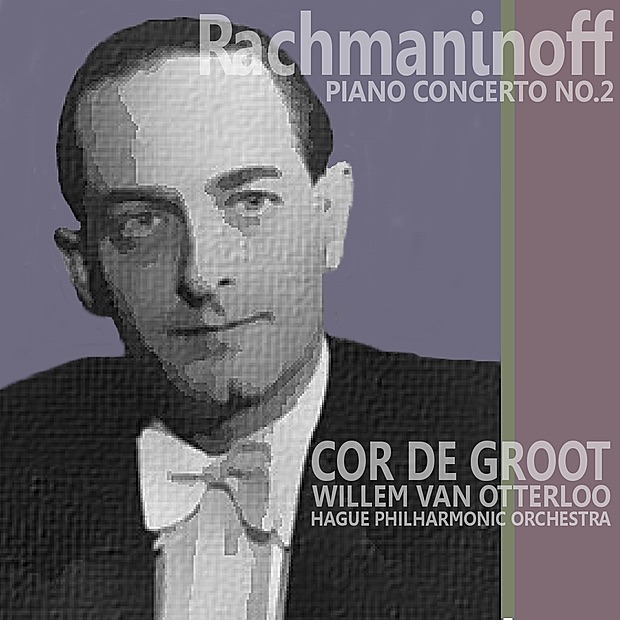 August 1, 2010
 -
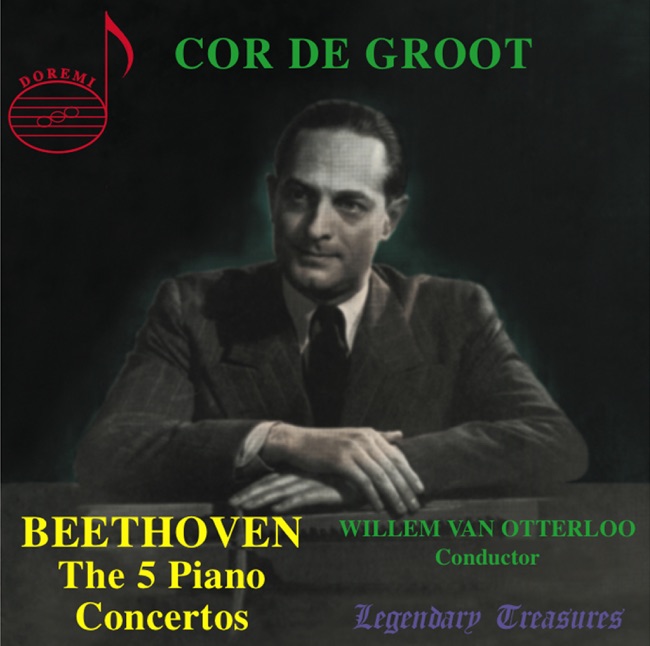 April 8, 2008
Orchestral
Artist Info
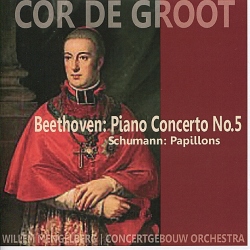
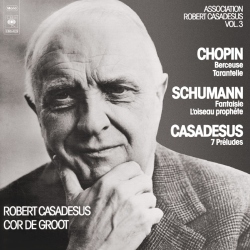
Role:ConductorCountry: NetherlandsBirth:July 7, 1914 in Amsterdam, The NetherlandsDeath:1993 in Amsterdam, The NetherlandsPeriod:ClassicalModernGenre:ConcertoKeyboardCor de Groot was a Dutch classical pianist who was born on July 2, 1914, in Amsterdam, Netherlands. He was the son of a music teacher and began playing the piano at a young age. His talent was quickly recognized, and he was sent to study at the Amsterdam Conservatory when he was just nine years old. De Groot's early years were marked by a series of successes. He won several prizes at local competitions and made his debut as a soloist with the Amsterdam Concertgebouw Orchestra when he was just 14 years old. He continued to study at the conservatory, where he was taught by some of the most renowned pianists of the time, including Ulfert Schults and Ignaz Friedman. In 1936, de Groot won the prestigious Prix d'Excellence, which was awarded by the Dutch government to outstanding young musicians. This prize allowed him to study in Paris with the legendary pianist Alfred Cortot. De Groot's time in Paris was a turning point in his career, as he was exposed to a wider range of musical styles and began to develop his own unique approach to the piano. De Groot's international career began in earnest in the late 1930s, when he made his debut in London and Paris. He quickly gained a reputation as one of the most exciting young pianists of his generation, known for his technical brilliance and his ability to bring out the emotional depth of the music he played. During World War II, de Groot continued to perform, often in secret concerts for audiences of Dutch resistance fighters. He also worked as a music teacher, and his students included the future conductor Bernard Haitink. After the war, de Groot's career continued to flourish. He made several recordings for the Philips label, including a highly acclaimed performance of Rachmaninoff's Piano Concerto No. 2 with the London Philharmonic Orchestra. He also performed extensively throughout Europe and the United States, earning rave reviews for his performances of works by Beethoven, Chopin, and Liszt. One of de Groot's most memorable performances took place in 1956, when he played Beethoven's Piano Concerto No. 5 with the New York Philharmonic under the direction of Leonard Bernstein. The performance was broadcast live on television and was seen by millions of viewers around the world. De Groot's interpretation of the concerto was praised for its clarity and precision, as well as its emotional depth. De Groot's career was not without its challenges, however. He suffered from a number of health problems throughout his life, including a heart condition that forced him to retire from performing in the early 1970s. He continued to teach and to serve as a juror for international piano competitions, however, and remained an influential figure in the world of classical music until his death in 1993. Throughout his career, de Groot was recognized for his contributions to the world of classical music. He was awarded the Order of Orange-Nassau by the Dutch government in 1964, and in 1984 he was made an Officer of the Order of Arts and Letters by the French government. He was also awarded the Edison Prize, the highest honor in Dutch music, in 1960 and 1961. De Groot's legacy lives on through his recordings, which continue to be admired for their technical brilliance and emotional depth. He is remembered as one of the greatest pianists of the 20th century, and his contributions to the world of classical music continue to inspire musicians and audiences around the world.More....
Recent Artist Music
2
2:43
4
4:3
5
20:27
6

10:22

Copyright Ⓒ 2013 Davinci Finger. All rights reseved
Service Terms & Policy