


Hallé Choir and Orchestra
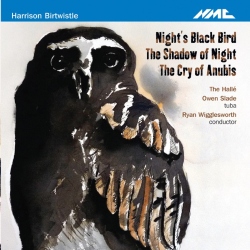
Released Album
Keyboard
-
 January 11, 2011
Choral
-
 September 3, 2012
Artist Info
Role:EnsemblePeriod:RomanticGenre:ChoralOperaThe Hallé Choir and Orchestra is one of the oldest and most prestigious classical music ensembles in the United Kingdom. Founded in 1858 by Sir Charles Hallé, a German pianist and conductor, the ensemble has a rich history of musical excellence and innovation. Sir Charles Hallé was born in Hagen, Germany in 1819. He began his musical career as a pianist, studying under some of the most renowned teachers of his time. In 1848, he moved to Manchester, England, where he quickly established himself as a leading figure in the city's musical scene. He founded the Hallé Orchestra in 1858, with the aim of bringing high-quality classical music to the people of Manchester. The Hallé Choir was founded in 1859, as a complement to the orchestra. The choir quickly gained a reputation for its excellence, and became an integral part of the Hallé's performances. Over the years, the choir has performed a wide range of choral works, from Bach's Mass in B Minor to Verdi's Requiem. One of the highlights of the Hallé Choir and Orchestra's early years was their performance of Handel's Messiah in 1866. The performance was a huge success, and established the ensemble as one of the leading choral and orchestral groups in the country. The Hallé continued to perform Messiah every year until 1875, when they began to alternate it with other choral works. In 1893, the Hallé Choir and Orchestra moved into their new home, the Free Trade Hall in Manchester. The hall was designed specifically for the ensemble, and provided them with a state-of-the-art performance space. The Free Trade Hall became a symbol of the Hallé's commitment to musical excellence, and remains one of the most iconic concert halls in the UK. Throughout the 20th century, the Hallé Choir and Orchestra continued to innovate and push the boundaries of classical music. In 1943, they gave the world premiere of Benjamin Britten's opera Peter Grimes, which went on to become one of the most celebrated operas of the 20th century. The Hallé also premiered works by other leading composers, including Elgar, Vaughan Williams, and Holst. In 1953, the Hallé Choir and Orchestra appointed Sir John Barbirolli as their new conductor. Barbirolli was already a renowned conductor, having led the New York Philharmonic and the London Symphony Orchestra. Under his leadership, the Hallé continued to flourish, and became one of the most respected ensembles in the world. One of the highlights of Barbirolli's tenure was the Hallé's performance of Mahler's Symphony No. 2, "Resurrection," in 1966. The performance was a huge success, and cemented the Hallé's reputation as one of the leading interpreters of Mahler's music. Barbirolli continued to conduct the Hallé until his death in 1970, leaving behind a legacy of musical excellence and innovation. In the years following Barbirolli's death, the Hallé Choir and Orchestra continued to thrive under the leadership of a series of distinguished conductors. In 1996, they appointed Kent Nagano as their new music director. Nagano was already a highly respected conductor, having led the London Symphony Orchestra and the Opera National de Lyon. Under his leadership, the Hallé continued to push the boundaries of classical music, and became known for their innovative programming and collaborations with other art forms. One of the highlights of Nagano's tenure was the Hallé's performance of Messiaen's Turangalîla-Symphonie in 2008.More....
Recent Artist Music

Copyright Ⓒ 2013 Davinci Finger. All rights reseved
Service Terms & Policy