


Ernest Bloch
Released Album
Chamber
-
 October 11, 2024
 -
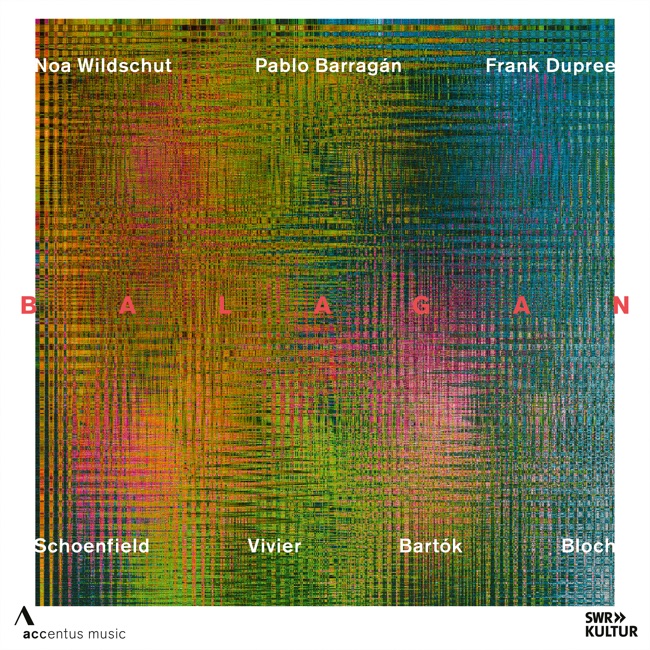 June 28, 2024
 -
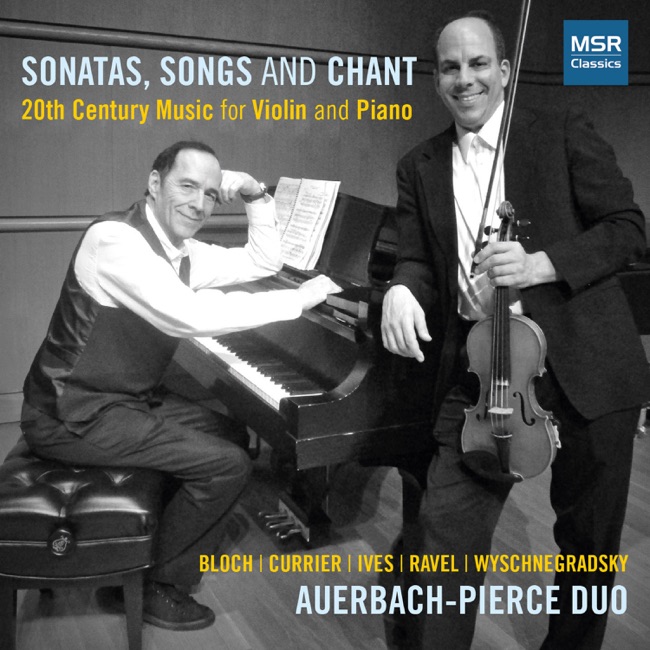
-
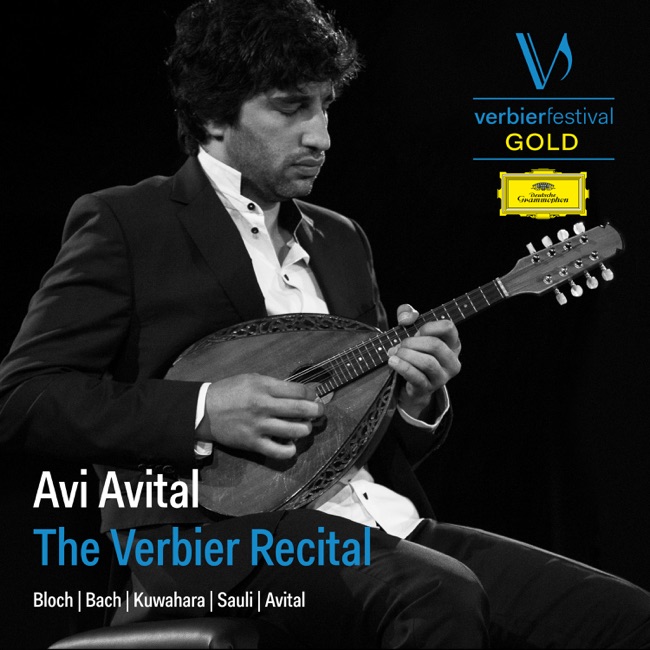 March 22, 2024
 -
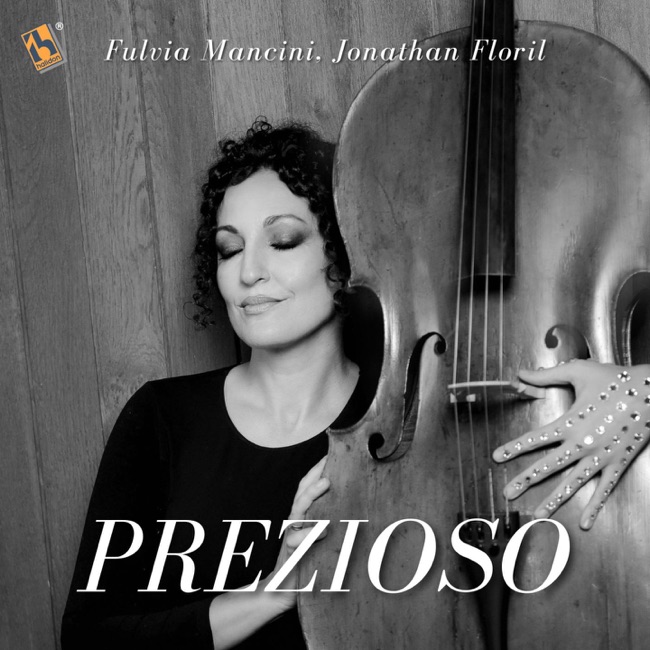 February 9, 2024
 -
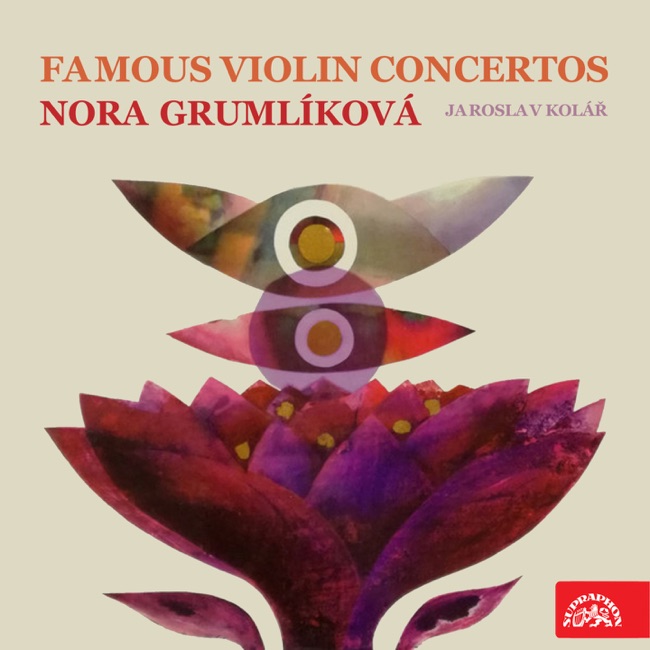 January 26, 2024
Concerto
-
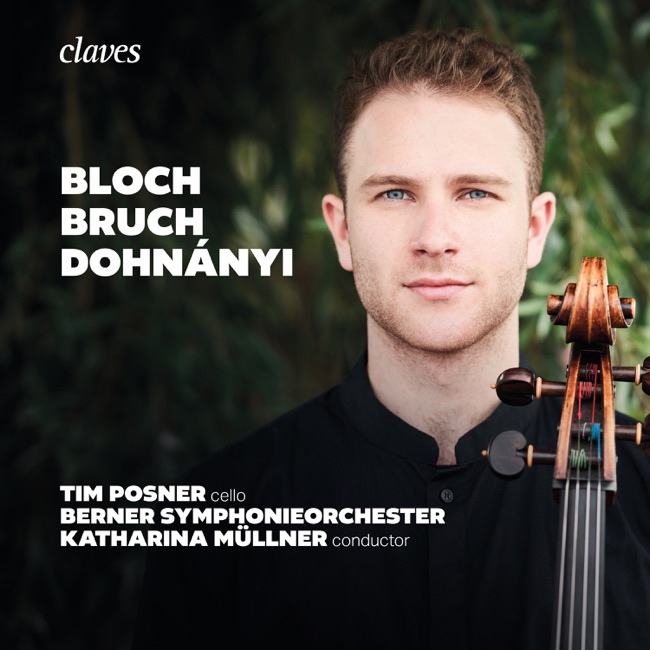 March 15, 2024
 -
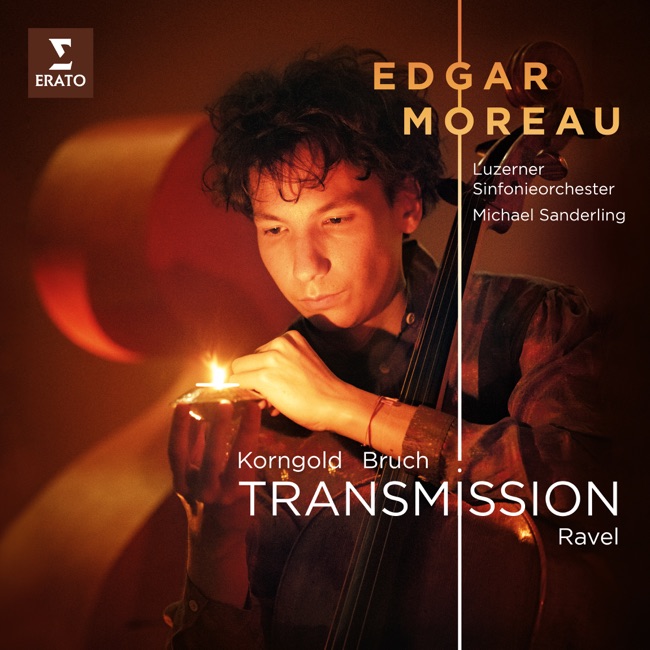 January 14, 2022
 -
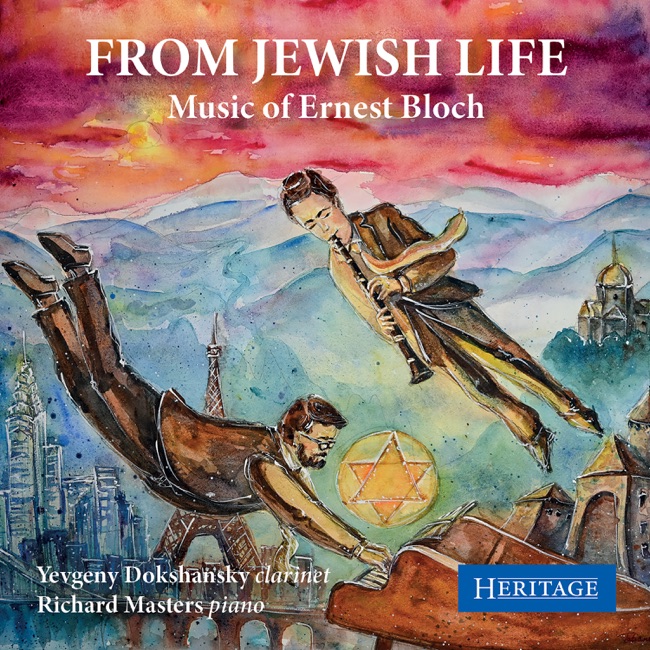 November 26, 2021
 -
 September 1, 2021
 -
-
 June 4, 2021
Orchestral
-
 June 10, 2014
 -
-
Keyboard
-
 December 13, 2023
 -
 November 18, 2022
 -
 October 29, 2012
 -
 January 11, 2011
 -
 April 1, 2002
 -
 May 26, 1998
Artist Info
Role:Composer ConductorCountry: SwitzerlandBirth:July 24, 1880 in Geneva, SwitzerlandDeath:July 15, 1959 in Portland, ORPeriod:ContemporaryModernGenre:ChamberChoralConcertoOperaOrchestralErnest Bloch was a Swiss-born American composer who is widely regarded as one of the most important figures in 20th-century classical music. Born on July 24, 1880, in Geneva, Switzerland, Bloch was the youngest of three children. His father, Emile Bloch, was a Jewish businessman, and his mother, Lina Bloch, was a musician. Bloch's early exposure to music came from his mother, who was a skilled pianist and singer. Bloch began his formal music education at the Geneva Conservatory at the age of nine. He studied violin with Eugène Ysaÿe, a renowned Belgian violinist, and composition with Émile Jaques-Dalcroze, a Swiss composer and music educator. Bloch's talent as a composer was evident from an early age, and he quickly gained recognition for his work. In 1901, Bloch moved to Brussels to study with Ysaÿe at the Royal Conservatory of Brussels. While in Brussels, Bloch became interested in the music of Richard Wagner and began to incorporate Wagnerian elements into his own compositions. He also became interested in Jewish music and began to explore the rich tradition of Jewish folk music and liturgical music. In 1903, Bloch moved to Frankfurt, Germany, where he continued his studies with Iwan Knorr, a German composer and music educator. While in Frankfurt, Bloch began to develop his own unique style, which combined elements of Romanticism, Impressionism, and Jewish music. In 1906, Bloch moved to Paris, where he became part of the vibrant artistic community that included composers such as Claude Debussy and Maurice Ravel. While in Paris, Bloch continued to develop his own style, which was characterized by its emotional intensity and its use of Jewish themes and motifs. In 1916, Bloch moved to the United States, where he became the director of the Cleveland Institute of Music. While in Cleveland, Bloch continued to compose and to explore Jewish music. He also began to incorporate American themes and motifs into his work. Bloch's most famous works include his three symphonies, his violin concerto, and his suite for cello and orchestra. His music is characterized by its emotional intensity, its use of Jewish themes and motifs, and its incorporation of elements from other musical traditions. Bloch's first symphony, "Israel," was composed in 1916 and premiered in 1917. The symphony is a tribute to the Jewish people and their struggle for survival. It is characterized by its use of Jewish themes and motifs, its emotional intensity, and its incorporation of elements from other musical traditions. Bloch's second symphony, "America," was composed in 1924 and premiered in 1925. The symphony is a tribute to the United States and its people. It is characterized by its use of American themes and motifs, its emotional intensity, and its incorporation of elements from other musical traditions. Bloch's third symphony, "Eroica," was composed in 1951 and premiered in 1954. The symphony is a tribute to the heroic spirit of humanity. It is characterized by its emotional intensity, its use of Jewish themes and motifs, and its incorporation of elements from other musical traditions. Bloch's violin concerto, composed in 1938, is one of his most famous works. The concerto is characterized by its emotional intensity, its use of Jewish themes and motifs, and its incorporation of elements from other musical traditions. Bloch's suite for cello and orchestra, composed in 1956, is another of his most famous works.More....
Recent Artist Music
6
6:41
Works Highlight
Recommend Playlist














Copyright Ⓒ 2013 Davinci Finger. All rights reseved
Service Terms & Policy