


Alexander Tcherepnin
Released Album
Chamber
-

-
-
-
 March 10, 2023
 -
 November 11, 2022
 -
 October 28, 2022
Keyboard
-
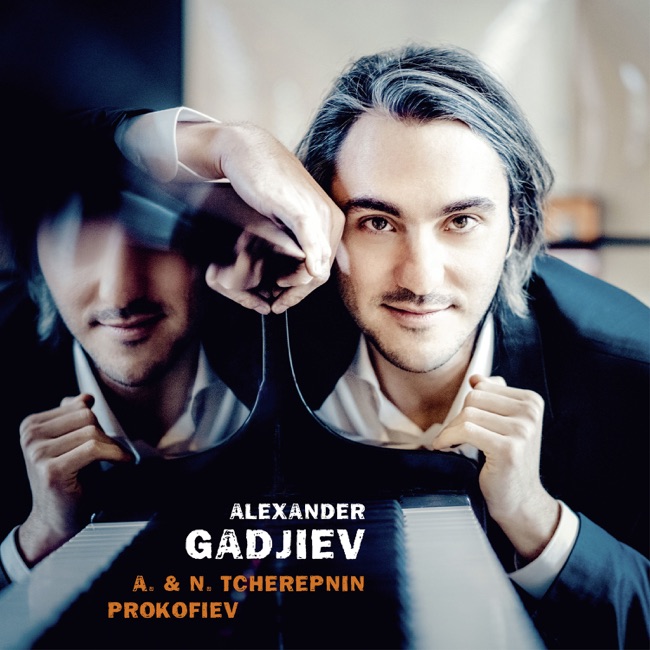 July 8, 2022
 -
 August 21, 2017
 -
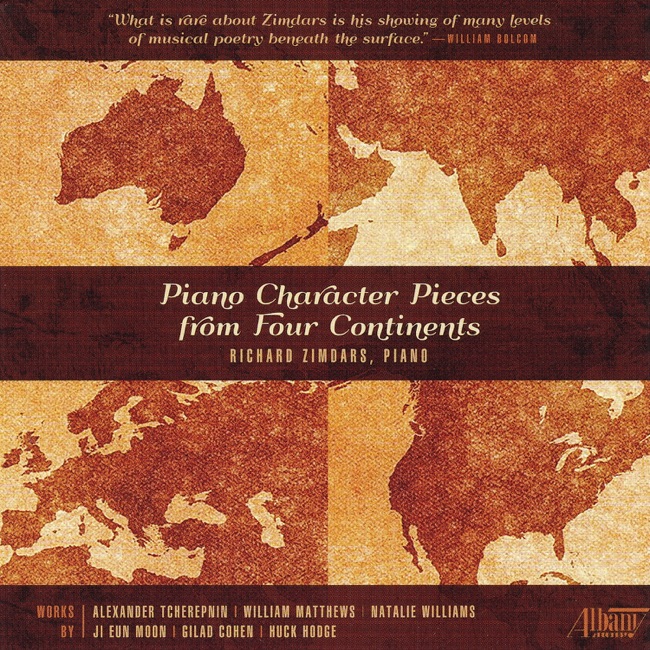 April 6, 2015
 -
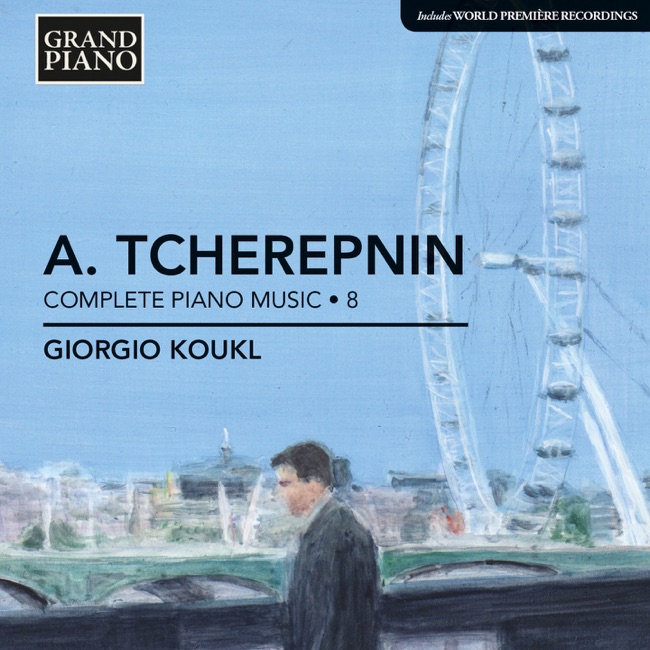 September 9, 2014
 -
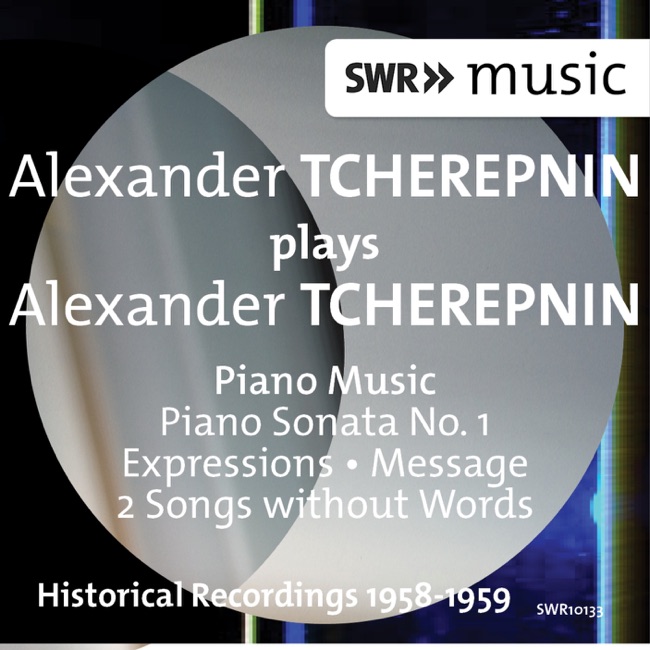 August 26, 2014
 -
 June 10, 2014
Orchestral
-
 June 5, 2020
 -
-
 June 8, 2004
 -
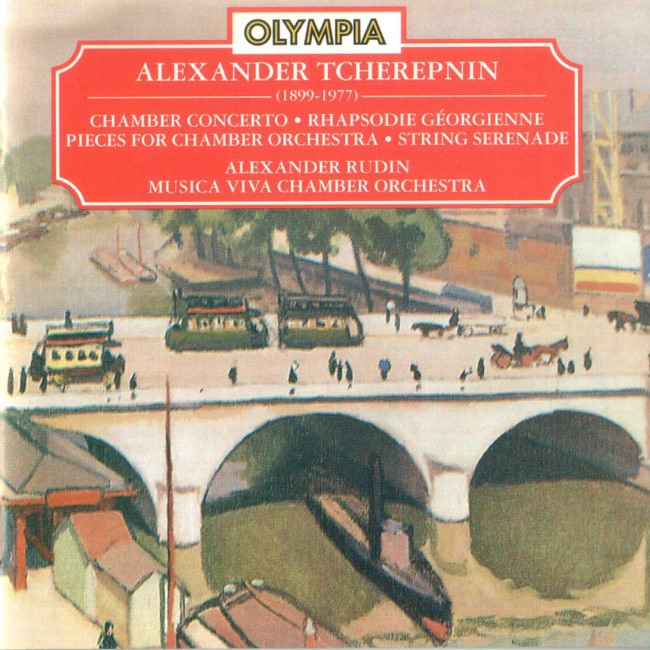
Concerto
-
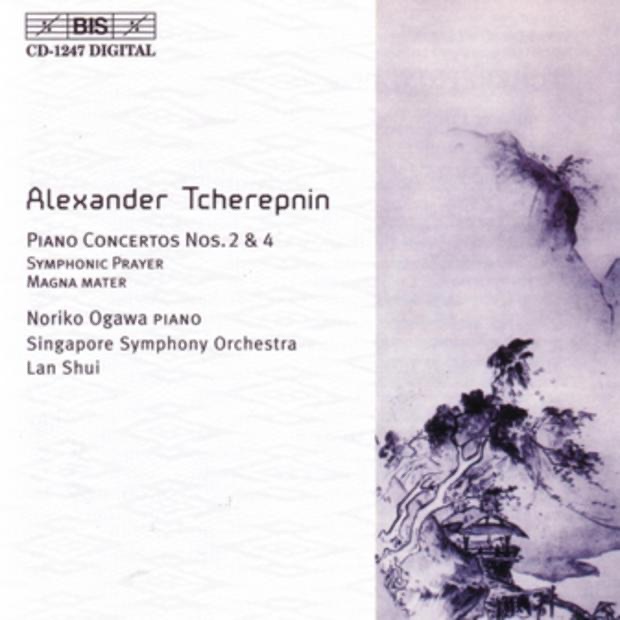 September 30, 2003
 -
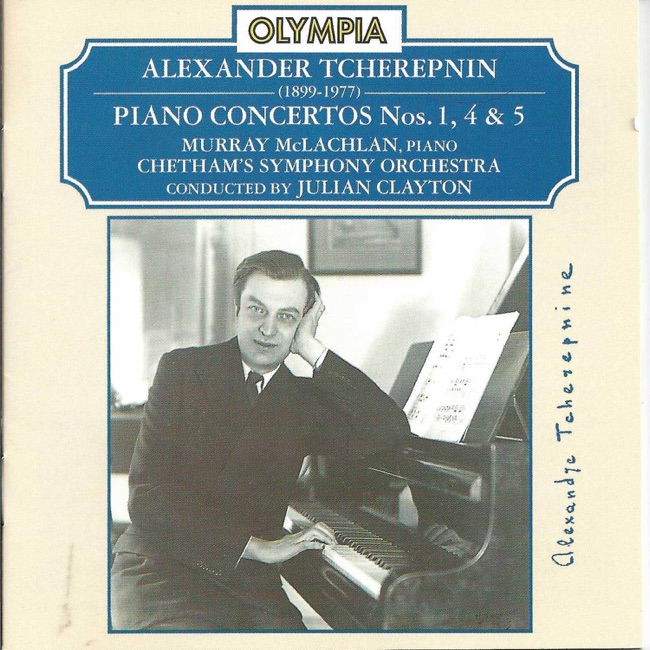 October 24, 1995
 -
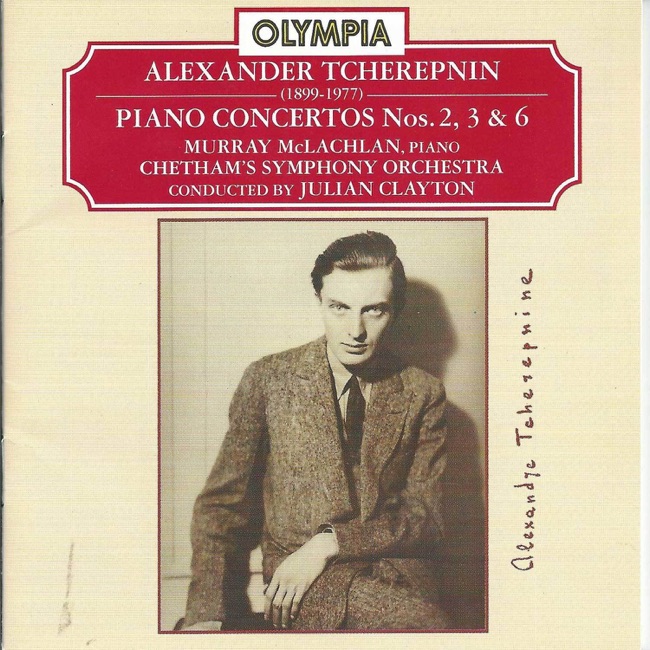 January 1, 1994
Artist Info
Role:Composer ConductorCountry: RussiaBirth:January 20, 1899 in St. Petersburg, RussiaDeath:September 29, 1977 in Paris, FrancePeriod:ContemporaryModernGenre:ChamberConcertoKeyboardAlexander Tcherepnin was a Russian-born composer and pianist who lived from 1899 to 1977. He was born in St. Petersburg, Russia, into a family of musicians. His father, Nikolai Tcherepnin, was a composer and conductor, and his mother, Nadezhda von Meck, was a pianist and patron of the arts. Alexander Tcherepnin began his musical studies at a young age, studying piano with his mother and composition with his father. In 1917, Tcherepnin and his family fled Russia due to the Russian Revolution. They settled in Tbilisi, Georgia, where Tcherepnin continued his musical studies. He later moved to Paris, where he studied with Nadia Boulanger and Vincent d'Indy. In 1923, he made his debut as a pianist in Paris, performing his own Piano Concerto No. 1. Tcherepnin's early works were influenced by the Russian nationalist school of music, as well as by the neoclassical style of Stravinsky and the French impressionists. His music was characterized by its rhythmic vitality, colorful orchestration, and use of folk melodies and exotic scales. In the 1920s and 1930s, Tcherepnin was a prolific composer, producing works in a variety of genres, including orchestral music, chamber music, piano music, and ballets. Some of his most notable works from this period include his Symphony No. 1, Piano Concerto No. 2, and the ballets Narcisse et Echo and Le Pavillon d'Armide. During World War II, Tcherepnin lived in the United States, where he taught at the Peabody Conservatory in Baltimore and the DePaul University in Chicago. He continued to compose during this time, producing works such as his Symphony No. 4 and the ballet La Fille Mal Gardée. After the war, Tcherepnin returned to Europe, settling in Paris. He continued to compose and perform, and also taught at the Paris Conservatory. In the 1950s and 1960s, his music became more experimental, incorporating elements of serialism and aleatoric techniques. Some of his notable works from this period include his Symphony No. 6 and the piano cycle Bagatelles. Tcherepnin's music has been praised for its originality, energy, and technical mastery. He was a versatile composer who worked in a variety of styles and genres, and his music has been performed by many of the world's leading orchestras and ensembles. He was also a respected pianist, known for his virtuosic performances of his own works as well as those of other composers. In addition to his musical career, Tcherepnin was also a writer and philosopher. He wrote several books on music theory and aesthetics, as well as on Eastern philosophy and spirituality. He was interested in the relationship between music and consciousness, and believed that music had the power to transform the listener's perception of reality. Alexander Tcherepnin died in Paris in 1977, leaving behind a legacy of innovative and influential music. His works continue to be performed and recorded today, and he is remembered as one of the most important composers of the 20th century.More....
Recent Artist Music
1
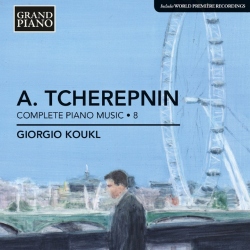
1:10
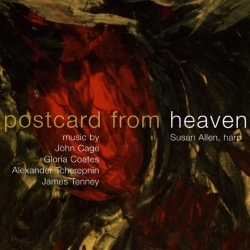
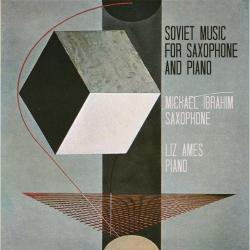
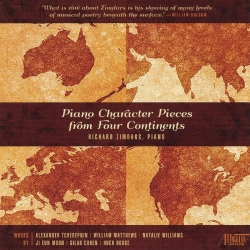



Copyright Ⓒ 2013 Davinci Finger. All rights reseved
Service Terms & Policy