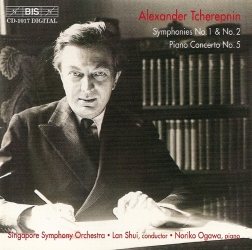
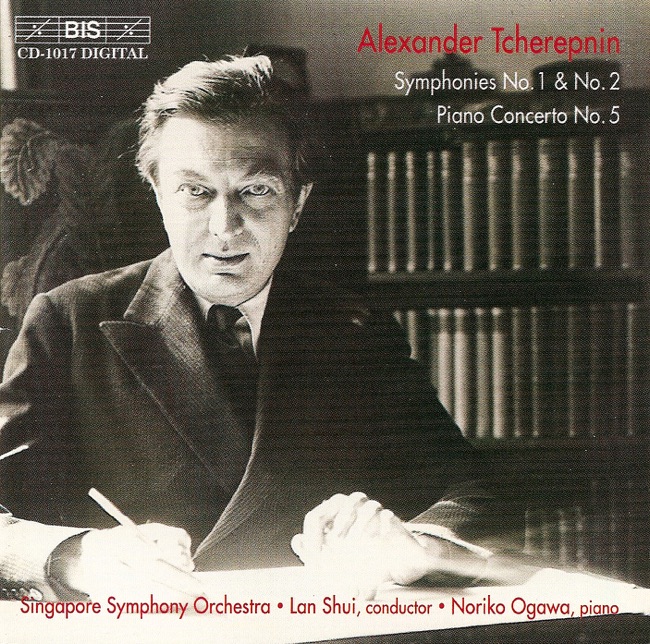
Alexander Tcherepnin
Symphony No. 1, Op. 42
Released Album
Recent Album

Works Info
Composer:Alexander TcherepninGenre:SymphonyStyle:SymphonyCompose Date:1927Average_duration:24:57Movement_count:4Movement ....Alexander Tcherepnin's Symphony No. 1, Op. 42, was composed in 1927 and premiered on January 25, 1928, in Paris, France. The symphony is divided into four movements and has a total duration of approximately 25 minutes. The first movement, marked Allegro, begins with a lively and energetic theme played by the strings. The theme is then passed on to the woodwinds and brass, creating a sense of excitement and anticipation. The movement features a variety of contrasting themes and textures, including a lyrical second theme played by the strings and a playful, dance-like section in the middle. The movement ends with a triumphant restatement of the opening theme. The second movement, marked Andante, is a slow and introspective piece that features a hauntingly beautiful melody played by the oboe. The melody is then passed on to the strings and gradually builds in intensity before subsiding back into a quiet and reflective mood. The third movement, marked Allegro molto, is a fast and frenetic scherzo that features a driving rhythm and playful, syncopated melodies. The movement is characterized by its constant motion and sense of urgency, with the various themes and motifs building on top of each other to create a sense of chaos and excitement. The final movement, marked Allegro con fuoco, is a fiery and energetic finale that brings the symphony to a thrilling conclusion. The movement features a triumphant and heroic theme played by the brass, which is then developed and expanded upon throughout the movement. The symphony ends with a powerful and exhilarating coda that brings all of the themes and motifs together in a grand and satisfying conclusion. Overall, Tcherepnin's Symphony No. 1 is a dynamic and exciting work that showcases the composer's skill at creating memorable melodies and intricate textures. The symphony is characterized by its use of contrasting themes and motifs, as well as its sense of energy and momentum. It remains a popular and frequently performed work in the orchestral repertoire.More....
Works Music
Released Music