


Grigoras Dinicu
Released Album
Chamber
-
 September 10, 2021
 -
 May 28, 2020
 -
 November 22, 2019
 -
 June 21, 2019
 -
 June 21, 2019
 -
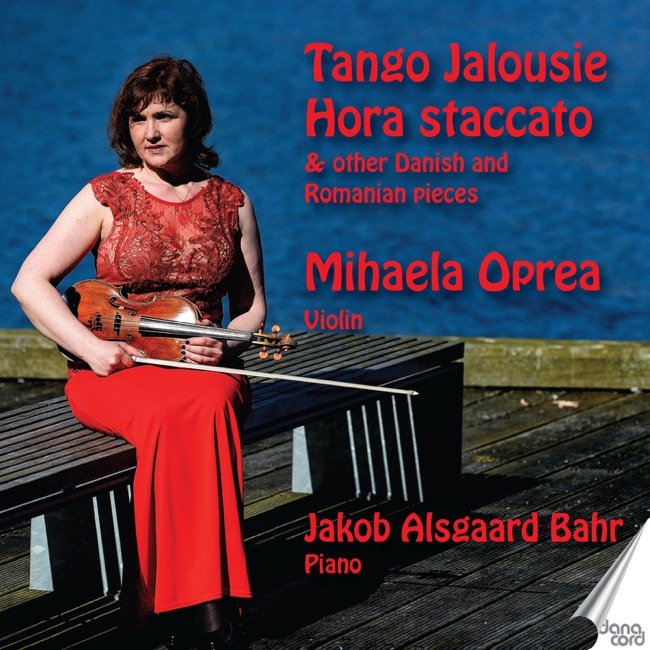 January 4, 2019
Miscellaneous
-
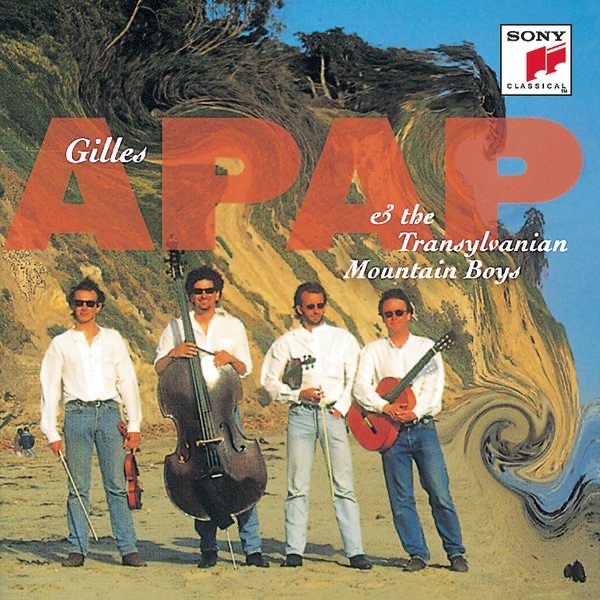 October 1, 1996
Orchestral
-
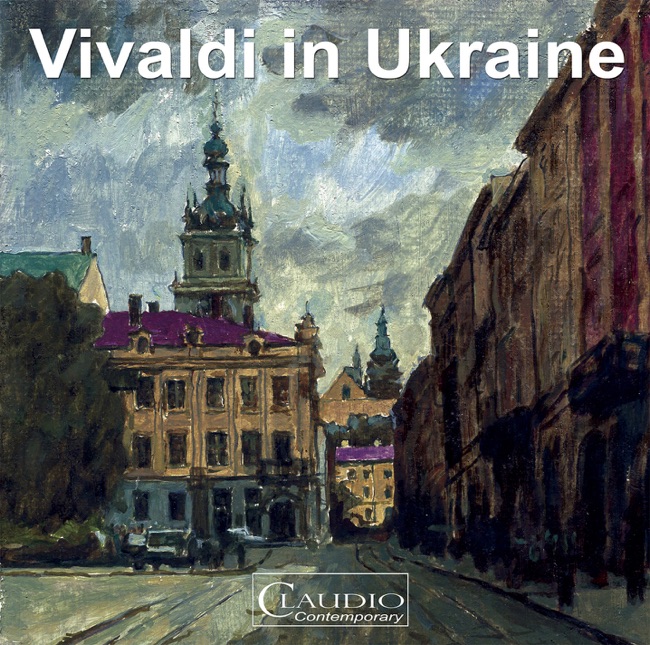 September 9, 2014
Artist Info
Role:Composer ConductorCountry: RomaniaBirth:April 3, 1889 in Bucharest, RomaniaDeath:March 28, 1949 in Bucharest, RomaniaPeriod:ModernGenre:ChamberGrigoras Dinicu was a Romanian composer and violinist who was born on April 3, 1889, in Bucharest, Romania. He was born into a family of musicians, and his father, also a violinist, was his first teacher. Dinicu showed a natural talent for music from a young age, and he quickly became a skilled violinist. Dinicu's musical education continued at the Bucharest Conservatory, where he studied under some of the most renowned violinists of the time, including Carl Flesch and Leopold Auer. He also studied composition with the composer and conductor George Enescu, who would become a lifelong friend and mentor. Dinicu's early career was marked by his virtuosic performances as a violinist. He quickly gained a reputation as one of the most talented violinists of his generation, and he was in high demand as a soloist and chamber musician. He performed extensively throughout Europe and the United States, and he was praised for his technical skill and his ability to convey emotion through his playing. In addition to his career as a performer, Dinicu was also a prolific composer. He wrote music for the violin, as well as for other instruments and ensembles. His compositions were influenced by the traditional music of Romania, as well as by the classical music of Western Europe. He was particularly interested in the music of Johann Sebastian Bach, and he incorporated elements of Bach's style into his own compositions. One of Dinicu's most famous compositions is his "Hora Staccato," which he wrote in 1906. The piece is a virtuosic showpiece for the violin, and it has become a staple of the violin repertoire. The piece is characterized by its fast tempo and its use of staccato bowing, which gives the music a lively and energetic feel. Another of Dinicu's notable compositions is his "Ciocarlia," which he wrote in 1910. The piece is named after the Romanian word for "lark," and it is a lively and joyful celebration of the bird's flight. The piece is notable for its use of rapid-fire bowing and its intricate rhythms, which capture the spirit of Romanian folk music. Dinicu's compositions were well-received by audiences and critics alike, and they helped to establish him as one of the leading composers of his time. His music was performed by some of the most renowned musicians of the day, including Jascha Heifetz and Fritz Kreisler. Despite his success as a performer and composer, Dinicu's life was not without its challenges. He lived through two world wars, and he experienced the political upheaval that accompanied the rise of communism in Romania. He continued to perform and compose throughout these difficult times, but his opportunities were limited by the political climate. Dinicu died on March 28, 1949, at the age of 59. His legacy lives on through his music, which continues to be performed and enjoyed by musicians and audiences around the world. His compositions are a testament to his skill as a composer and his love for the music of his homeland.More....
Recent Artist Music


9
2:7

Copyright Ⓒ 2013 Davinci Finger. All rights reseved
Service Terms & Policy