


Gunnar Eriksson
Released Album
Choral
-
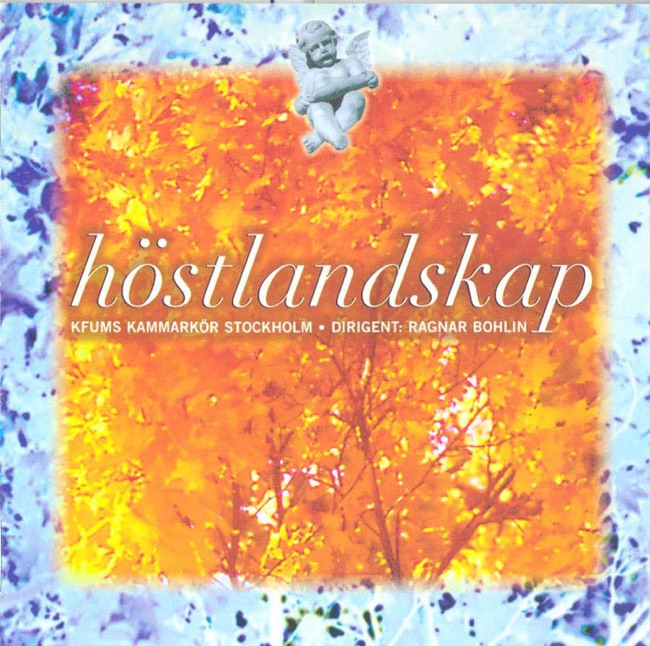 October 1, 2010
 -
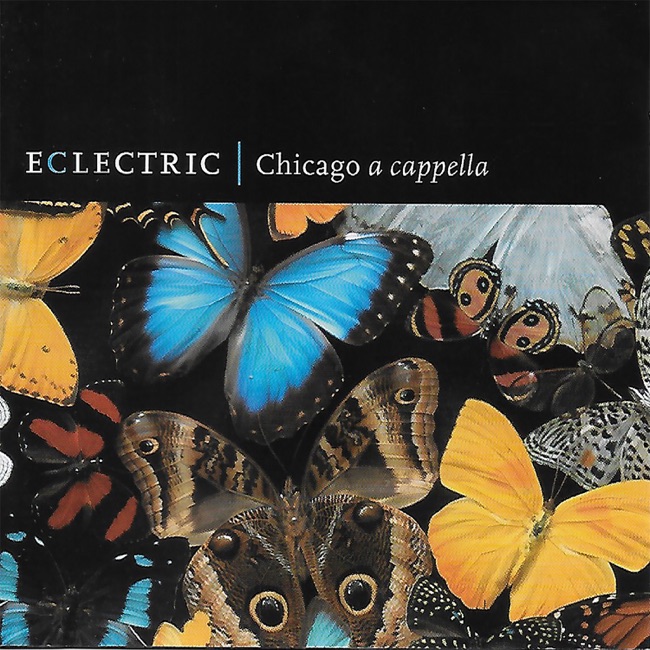 September 27, 2005
 -
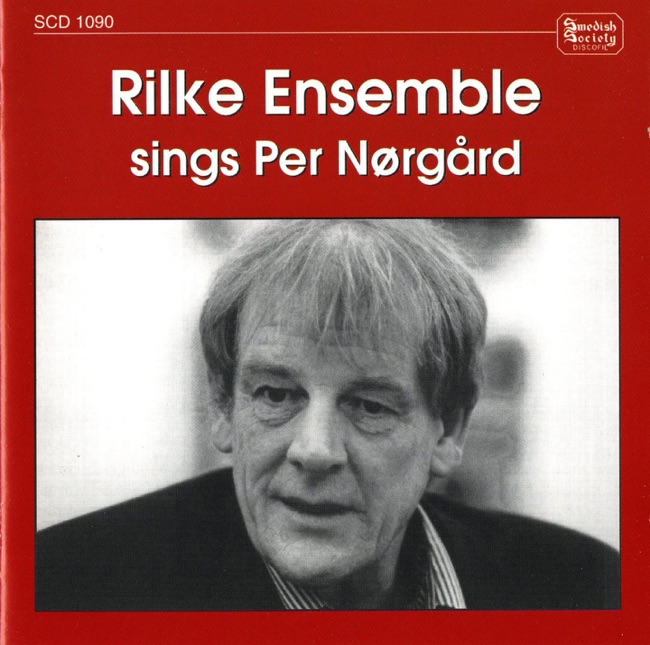 June 27, 2004
 -
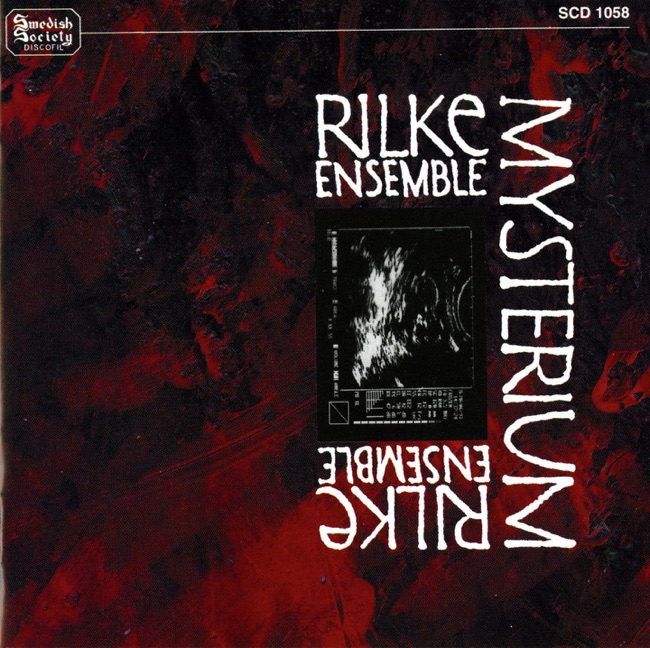 January 1, 2000
Miscellaneous
-
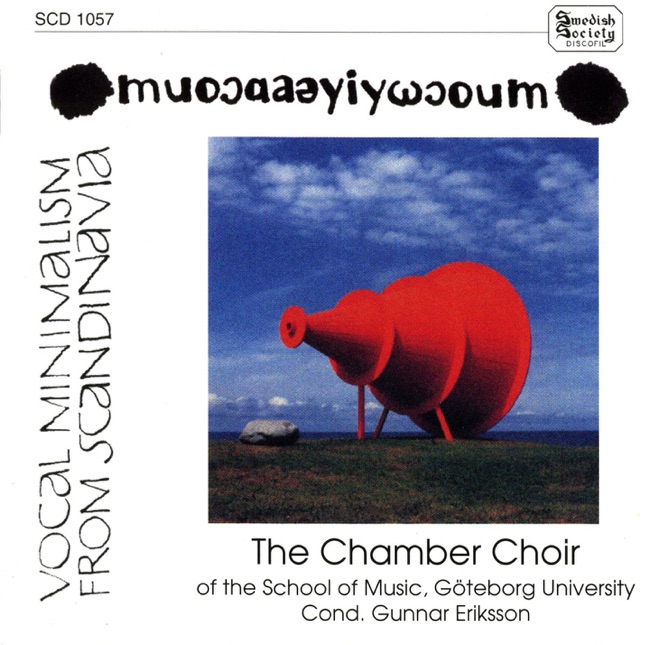 January 1, 2000
Artist Info
Role:Composer ConductorPeriod:ContemporaryModernGenre:ChoralVocalGunnar Eriksson was a Swedish composer born on May 22, 1936, in the town of Östersund. He grew up in a family of musicians, with his father being a violinist and his mother a pianist. From a young age, Eriksson showed a keen interest in music and began playing the piano at the age of six. He later learned to play the violin and the trumpet. Eriksson's musical education began at the Östersund Music School, where he studied piano, violin, and music theory. He later attended the Royal College of Music in Stockholm, where he studied composition under the tutelage of Karl-Birger Blomdahl. Eriksson also studied conducting with Igor Markevitch in Salzburg, Austria. Eriksson's early compositions were influenced by the avant-garde movement of the 1950s and 1960s. His first major work, "Symphony No. 1," was premiered in 1962 and received critical acclaim. The piece showcased Eriksson's unique style, which blended traditional tonality with modernist techniques such as serialism and aleatoric music. Throughout the 1960s and 1970s, Eriksson continued to compose works that pushed the boundaries of classical music. His "Concerto for Orchestra" (1965) was a groundbreaking piece that featured complex rhythms and unconventional instrumentation. His "String Quartet No. 2" (1970) was also highly experimental, with the performers required to play their instruments in unconventional ways. In the 1980s, Eriksson's style began to shift towards a more tonal and accessible sound. His "Symphony No. 3" (1982) was a lush and melodic work that showcased his mastery of orchestration. His "Concerto for Violin and Orchestra" (1985) was also a more traditional work that highlighted his lyrical and expressive writing. Eriksson's later works continued to explore tonality and melody, while also incorporating elements of Swedish folk music. His "Symphony No. 4" (1990) was a tribute to the Swedish composer Hugo Alfvén, and featured themes from Alfvén's works. His "Concerto for Piano and Orchestra" (1995) was a virtuosic work that showcased his love of the piano. Eriksson's music has been performed by orchestras and ensembles around the world, including the Royal Stockholm Philharmonic Orchestra, the Gothenburg Symphony Orchestra, and the BBC Symphony Orchestra. He has also received numerous awards and honors for his contributions to classical music, including the Swedish Academy of Music's Litteris et Artibus medal in 1996. In addition to his work as a composer, Eriksson was also a respected conductor and music educator. He served as the principal conductor of the Gävle Symphony Orchestra from 1974 to 1980, and was a professor of composition at the Royal College of Music in Stockholm from 1980 to 2001. Gunnar Eriksson passed away on December 24, 2017, at the age of 81. His legacy as a composer and educator continues to inspire generations of musicians and music lovers around the world.More....
Recent Artist Music
1
3:57
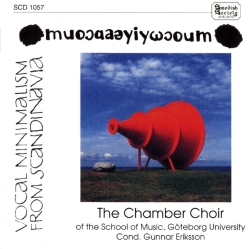

10
5:4
Copyright Ⓒ 2013 Davinci Finger. All rights reseved
Service Terms & Policy